
To heat press puff vinyl, start by setting your heat press between 320°F and 340°F with medium pressure.
Heat the vinyl for 10 to 15 seconds to activate its expansion.
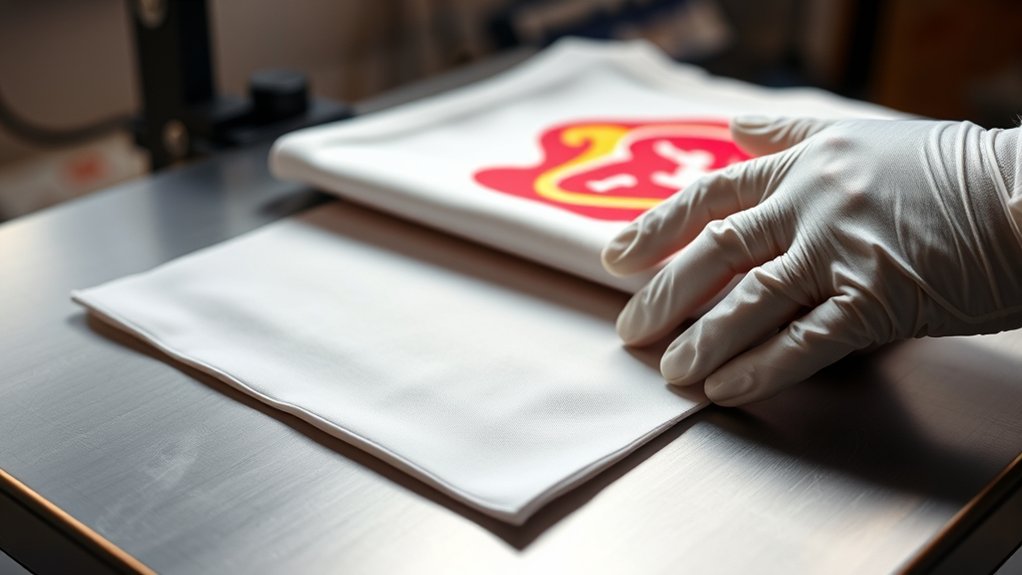
Use a Teflon sheet to protect both the vinyl and garment, ensuring even heat distribution.
Pre-press your garment to remove moisture and wrinkles before positioning the puff vinyl precisely.
Avoid applying excessive pressure, as this can flatten the puff effect.
Proper timing and temperature are essential to activate the vinyl’s expansion while securing strong adhesion.
Mastering these steps will help you achieve lasting, vibrant results.
Key Takeaways
- Set heat press temperature between 320°F and 340°F with medium pressure for 10 to 15 seconds to activate puff expansion.
- Pre-press garment for 5-7 seconds to remove moisture and wrinkles before applying the puff vinyl design.
- Use a Teflon sheet or parchment paper over the vinyl to protect it and the heat press platen during pressing.
- Mirror your design before cutting and ensure clean vinyl edges for optimal puff texture and adhesion.
- Allow the garment to cool after pressing and follow proper washing and care instructions to maintain puff effect longevity.
How to Heat Press Puff Vinyl: The Basics
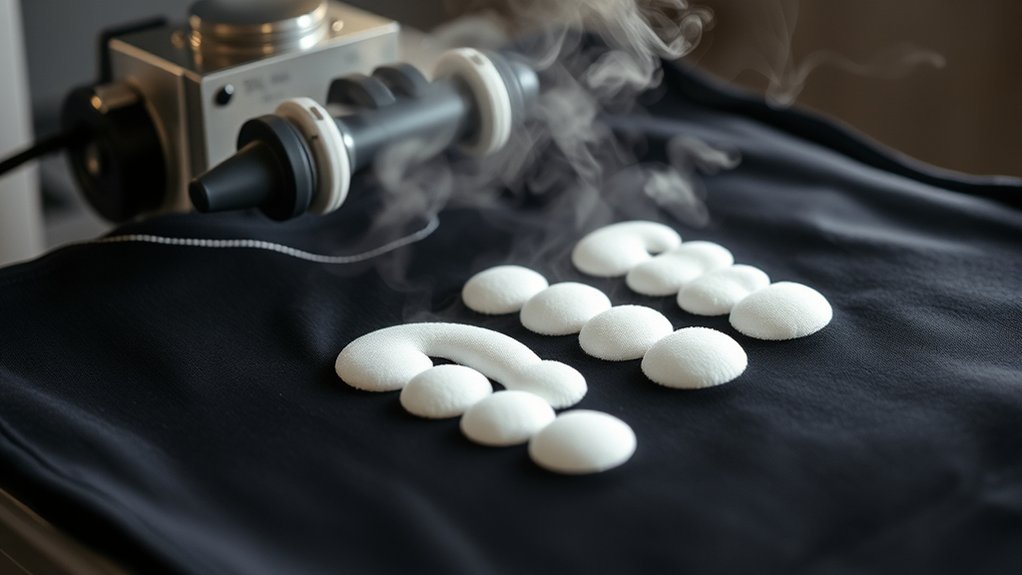
Before you begin heat pressing puff vinyl, you need to understand how temperature, pressure, and timing interact to achieve the desired raised effect. Puff vinyl advantages include its ability to expand when heated, creating a textured, three-dimensional finish that stands out on garments.
The key is setting the heat press to the correct temperature, usually between 320°F and 340°F, and applying medium pressure for the right duration, often 10 to 15 seconds. Too much heat or pressure can flatten the puff effect, while insufficient settings won’t activate expansion fully.
Puff vinyl applications range from sportswear to custom apparel, where a tactile, eye-catching design is required. Mastering these basics guarantees consistent, professional results every time you work with puff vinyl.
Essential Materials for Puff Vinyl Heat Pressing
Successful puff vinyl heat pressing requires specific materials that guarantee ideal expansion and adhesion. To achieve this, you need to focus on the right components compatible with your heat press machines and puff vinyl types.
Successful puff vinyl heat pressing depends on using the right materials for perfect expansion and adhesion.
- High-quality puff vinyl Select vinyl formulated for puffing; different puff vinyl types expand differently under heat.
- Reliable heat press machine Use a heat press with adjustable temperature and pressure controls for consistency.
- Teflon sheet or parchment paper Protects both the vinyl and press platen from direct heat and scorching.
- Weeding tools Essential for precise removal of excess vinyl before pressing.
Having these materials assures your puff vinyl design puffs evenly and adheres firmly to the garment.
Preparing Your Garment and Puff Vinyl Design
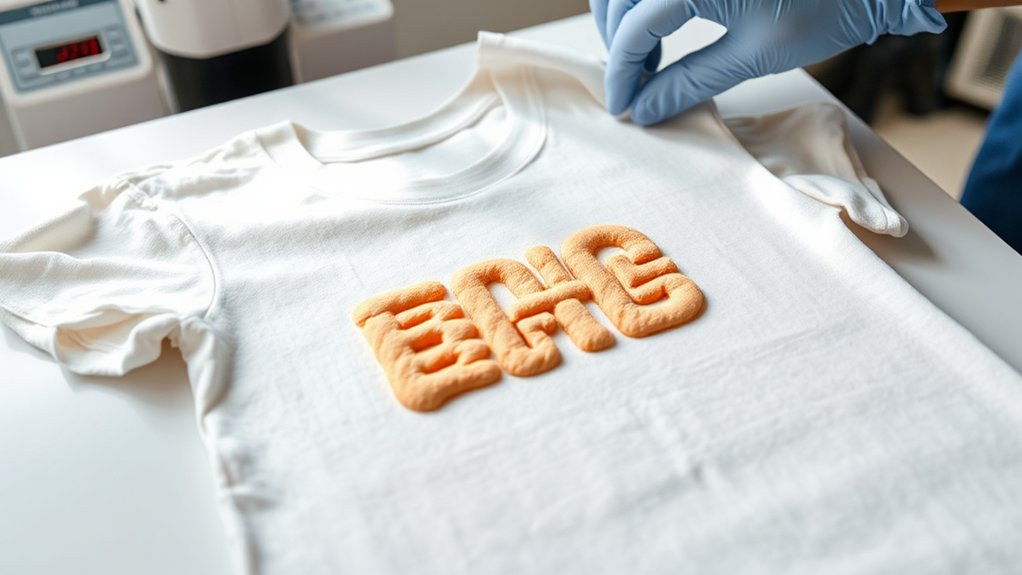
You’ll want to choose a garment made from materials that can withstand the heat press temperature, such as cotton or polyester blends.
Next, prepare your puff vinyl design by ensuring it’s properly cut and weeded to prevent any issues during pressing. Taking these steps methodically will help achieve a clean and durable application.
Garment Material Selection
Choosing the right garment material is essential for achieving ideal adhesion and durability when heat pressing puff vinyl. Fabric compatibility directly affects how well the vinyl bonds and withstands wear.
To optimize your selection, consider these factors:
- Fiber Content: Choose natural fibers like cotton or cotton blends for superior material durability and heat resistance.
- Weave Type: Opt for tightly woven fabrics; loose weaves may cause poor adhesion and uneven puffing.
- Heat Tolerance: Verify the garment withstands the required press temperature (usually 300-320°F) without damage.
- Surface Texture: Smooth surfaces promote better vinyl contact and consistent puff expansion.
Puff Vinyl Design Preparation
After selecting the appropriate garment, prepare both the fabric and your puff vinyl design carefully to guarantee ideal bonding and puff effect. Begin by pre-pressing the garment for 5-7 seconds at 320°F to remove moisture and wrinkles.
Next, use design software to create or fine-tune your artwork, ensuring you account for puff vinyl textures by adjusting line thickness and layering. Mirror your design before cutting to align with heat press application.
When cutting, use a sharp blade to maintain clean edges, critical for smooth puff expansion. Weed excess vinyl precisely, avoiding any residue that can interfere with adhesion.
Finally, position the vinyl on the garment accurately, ensuring even contact under the heat press. This methodical preparation maximizes the raised effect and durability of your puff vinyl design.
Setting Heat Press Temperature and Time for Puff Vinyl
When setting the heat press temperature and time for puff vinyl, maintaining precise control is crucial to achieve optimal expansion without damaging the material. Correct heat settings directly impact the vinyl’s puffing effect and adhesion. Follow these steps for ideal application techniques:
- Set the temperature between 320°F and 350°F (160°C–177°C) depending on your vinyl’s manufacturer guidelines.
- Adjust the timer to 10–15 seconds; longer times risk scorching, shorter times may prevent full expansion.
- Use medium pressure to guarantee uniform heat distribution without compressing the puff effect.
- Allow a brief cooling period post-press to stabilize the puffed texture before handling.
Positioning and Pressing Puff Vinyl the Right Way
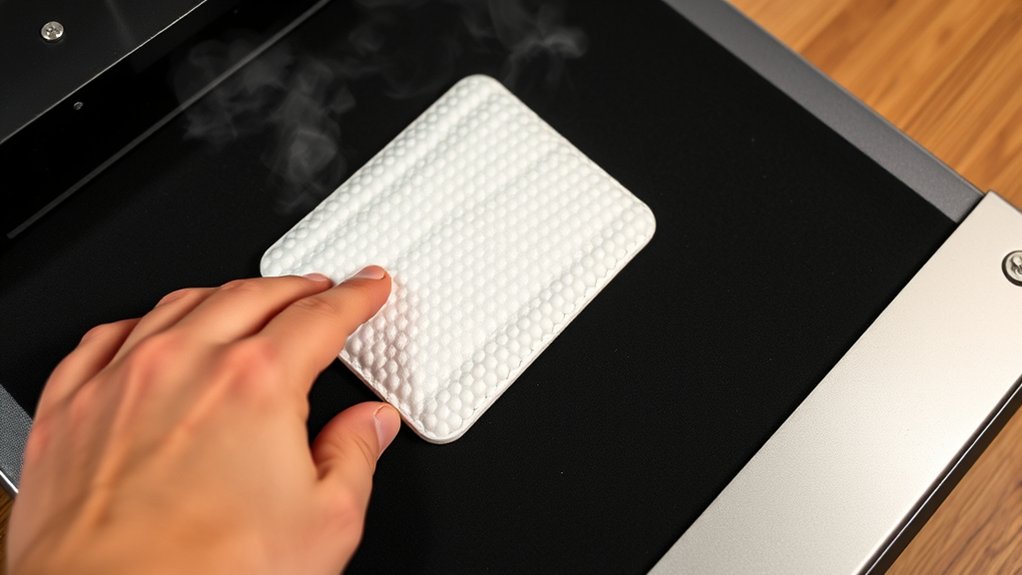
Although precise temperature and timing are essential, positioning your puff vinyl correctly before pressing guarantees consistent puff expansion and adhesion. Use positioning techniques such as aligning the vinyl with garment marks or using heat-resistant tape to secure it firmly.
Confirm the vinyl lies flat without folds or wrinkles to prevent uneven puffing. When applying pressing strategies, use a firm, even pressure distributed across the design area to activate the puff effect uniformly.
Ensure the vinyl is flat and apply firm, even pressure to achieve uniform puff expansion.
Avoid excessive pressure that can flatten the vinyl or insufficient pressure that impedes adhesion. Pre-press the garment to eliminate moisture and wrinkles, providing a smooth surface.
Following these positioning techniques and pressing strategies methodically confirms your puff vinyl expands properly and bonds securely, producing a professional, durable finish every time.
Tips and Common Mistakes for Perfect Puff Vinyl Results
You need to set your heat press to the exact temperature and pressure recommended for puff vinyl to guarantee proper expansion and adhesion. Applying too much pressure or heat can crush the puff effect, while too little will cause poor bonding.
Avoid mistakes like misaligned placement and insufficient pressing time to achieve crisp, raised designs every time.
Temperature And Pressure Settings
Mastering the temperature and pressure settings is essential for achieving ideal puff vinyl results. You need to carefully control these variables to guarantee proper expansion and adhesion. Follow these steps:
- Set your heat press to the manufacturer’s recommended temperature ranges, typically between 320°F and 350°F (160°C to 177°C).
- Adjust pressure to medium to firm; too light won’t activate the puff effect, too heavy will flatten it.
- Use consistent pressure across the entire surface to avoid uneven puffing or incomplete bonding.
- Test on a scrap piece first to fine-tune temperature ranges and pressure adjustments, preventing damage to your final design.
Avoiding Common Application Errors
Getting the temperature and pressure settings right sets the foundation, but several common errors can still undermine your puff vinyl application. Avoid application mistakes like uneven pressure, insufficient pressing time, or incorrect layering.
Always verify fabric compatibility and verify puff vinyl is properly aligned before pressing. For effective puff vinyl troubleshooting, systematically check these variables.
| Common Error | Cause | Solution |
|---|---|---|
| Uneven Puff Expansion | Uneven pressure | Adjust platen pressure evenly |
| Vinyl Not Rising | Low temperature/time | Increase time or temperature |
| Vinyl Burnt | Excessive heat/pressure | Reduce temperature or pressure |
| Misalignment | Poor placement | Use heat-resistant tape to fix |
| Puff Deflation | Over-pressing after puff | Remove heat press immediately |
Caring for Your Puff Vinyl Garments to Last Longer
Although puff vinyl is durable, proper care significantly extends the lifespan of your garments. To maintain the integrity of your puff vinyl designs, follow these essential steps:
- Garment Washing: Turn the garment inside out and use cold water on a gentle cycle. Avoid bleach and fabric softeners to prevent vinyl degradation.
- Drying: Air dry or use a low heat setting in the dryer to preserve puff texture and prevent cracking.
- Ironing: Never iron directly on the puff vinyl. Use a protective cloth and low heat if necessary.
- Storage Practices: Store garments flat or hanging in a cool, dry place away from direct sunlight to avoid vinyl warping or discoloration.
Adhering to these guidelines guarantees your puff vinyl garments stay vibrant and intact over time.
Frequently Asked Questions
Can Puff Vinyl Be Layered With Other Types of Vinyl?
Yes, you can layer puff vinyl with other vinyl types by understanding vinyl compatibility and applying proper layering techniques.
You’ll need to carefully sequence pressing times and temperatures to guarantee ideal adhesion and avoid damaging materials.
Is Puff Vinyl Suitable for All Fabric Types?
You can’t slap puff vinyl onto every fabric without thinking; it’s like fitting a square peg in a round hole. Puff vinyl compatibility demands careful fabric considerations, favoring cotton and polyester blends.
Avoid delicate or heat-sensitive materials for best results.
How Does Humidity Affect Puff Vinyl Pressing?
Humidity levels impact puff vinyl pressing by affecting adhesive activation and vinyl expansion. You’ll need to adjust pressing techniques, like temperature and time, to guarantee consistent results, preventing under or over-pressing caused by moisture variations.
Can Puff Vinyl Be Washed in Hot Water?
You shouldn’t wash puff vinyl in hot water because high washing temperatures can degrade the material’s texture and expansion quality. For proper puff vinyl care, use cold or lukewarm water to preserve its puff effect and longevity.
Are There Eco-Friendly Puff Vinyl Options Available?
Yes, you can find eco-friendly puff vinyl options made from sustainable materials that are biodegradable. When selecting, verify certifications and composition to guarantee they meet environmental standards without compromising heat press performance or durability.
Conclusion
Mastering puff vinyl heat pressing is like wielding Mjölnir—you need the right technique and tools to release its full power. By carefully setting your heat press temperature, timing, and positioning, you guarantee your design expands perfectly without damage.
Remember, precision and patience are your allies. Follow these steps methodically, and your puff vinyl creations will stand out with lasting dimension and durability. With these tips, your heat press puff vinyl projects will impress every time you press.