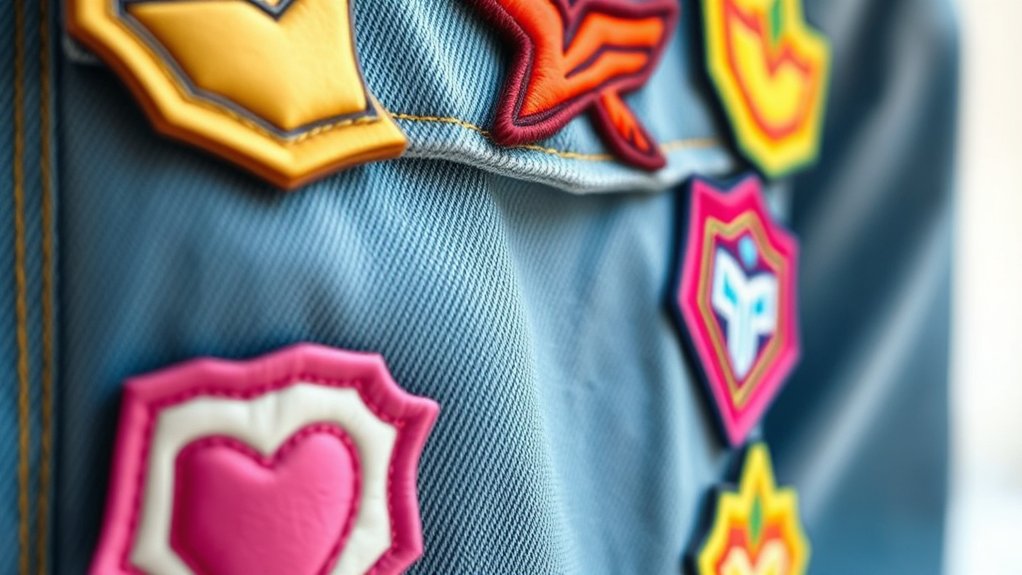

Heat press patches are a popular and effective option for customizing garments. They provide a reliable, durable, and efficient way to bond patches permanently through controlled heat and pressure.
You’ll find them ideal for fabrics like polyester and cotton blends. These patches provide strong adhesion when applied at the correct temperatures (320-350°F) with proper pressure and timing.
While heat press patches may not be as durable as sewing for heavy-duty use, they still withstand regular wear and washing well.
To optimize application and avoid common issues, exploring the best methods and troubleshooting tips is a smart next step.
Key Takeaways
- Heat press patches provide a quick and easy way to permanently attach emblems to garments.
- They offer moderate durability suitable for regular wear and washing when applied correctly.
- Heat press patches require precise temperature, pressure, and time for strong adhesion.
- They are ideal for various fabric types but less durable than sewn patches on thick materials.
- Proper application and reinforced edges help prevent peeling and fraying during use and washing.
What Are Heat Press Patches?
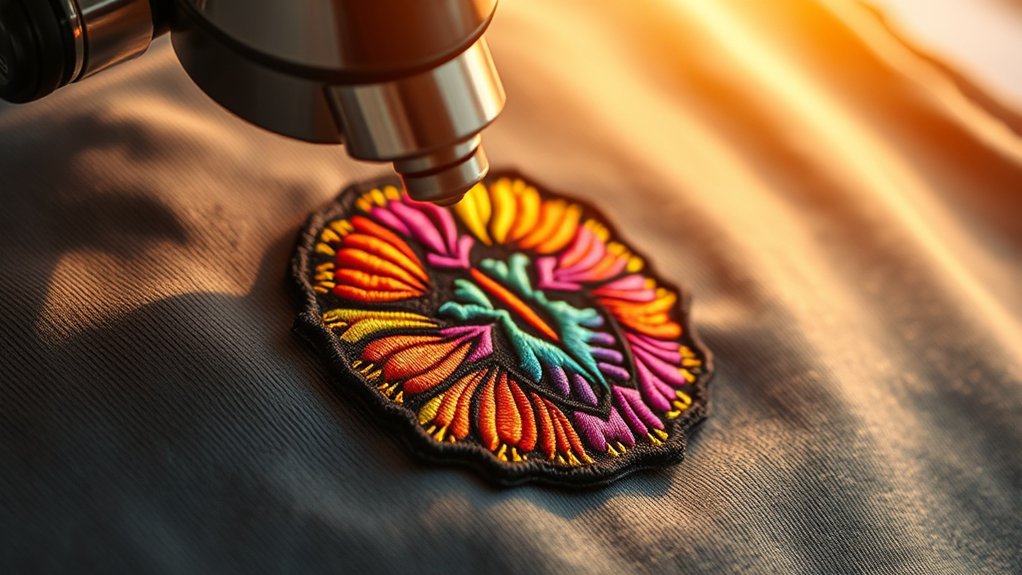
Heat press patches are specialized fabric emblems designed to be permanently affixed to garments using heat and pressure. When you apply a heat press, it activates the adhesive backing on the patch materials, creating a strong bond with the fabric surface.
These patches commonly consist of polyester, nylon, or cotton blends, chosen for their heat resistance and durability. The adhesive layer, usually thermoplastic polyurethane (TPU) or hot melt glue, melts under specific temperature and pressure settings, allowing it to seep into the garment fibers.
You’ll need to control the heat press settings: temperature, pressure, and dwell time, to match the patch materials and the garment type. Proper calibration guarantees a secure and smooth application without damaging the fabric or patch integrity.
How Durable Are Heat Press Patches?
Although durability depends on various factors, you can expect heat press patches to withstand regular wear and washing when applied correctly. Key durability factors include the quality of adhesive, fabric type, and application temperature.
Heat resistance of both the patch material and the garment plays an essential role; if the materials can endure high pressing temperatures without degradation, the bond remains strong. Proper temperature and pressure settings guarantee the adhesive melts and bonds effectively, preventing premature peeling or fraying.
Additionally, patches with reinforced edges improve durability by resisting lift during washing cycles. Keep in mind that improper heat or insufficient pressure reduces adhesion strength, compromising durability.
Should You Use Heat Press Patches or Sew Them On?
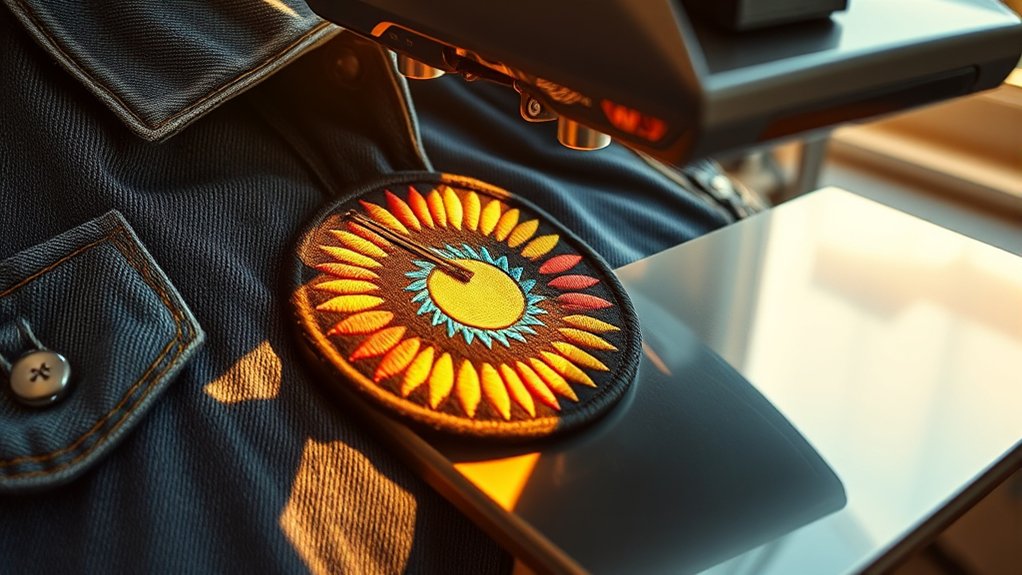
Understanding the durability factors of heat press patches naturally leads to evaluating whether you should opt for heat pressing or sewing when attaching patches. Heat pressing offers superior ease of application and is ideal for patch versatility on various fabrics. Sewing, however, provides enhanced durability, especially for heavy-use garments.
| Method | Ease of Application | Patch Versatility |
|---|---|---|
| Heat Press | Quick, minimal skill needed | Works on most fabrics |
| Sewing | Time-consuming, skill required | Suitable for thick fabrics |
| Durability | Moderate | High |
| Equipment | Heat press machine | Needle and thread |
| Maintenance | May peel after washing | Secure through washing |
Choose heat press for speed and versatility; sew for long-lasting security.
How to Apply Heat Press Patches for Best Results
Applying heat press patches correctly requires careful attention to temperature, pressure, and timing to guarantee strong adhesion and durability. First, preheat your fabric for 5-10 seconds to remove moisture and wrinkles, facilitating ideal patch placement.
Position the patch precisely, as shifting afterward compromises bonding. Use a heat press machine set to the manufacturer’s recommended temperature, typically 320-350°F, applying firm pressure, around 40-60 psi, for 10-15 seconds. Avoid lifting the press during this time.
After pressing, allow the patch to cool completely before handling to solidify adhesion. These application techniques prevent peeling and fading, extending patch lifespan. Remember, consistent pressure and exact patch placement are critical to avoid uneven bonding or damage. Following these steps guarantees your heat press patches look professional and last through repeated wear and washing.
Common Heat Press Patch Problems and Fixes
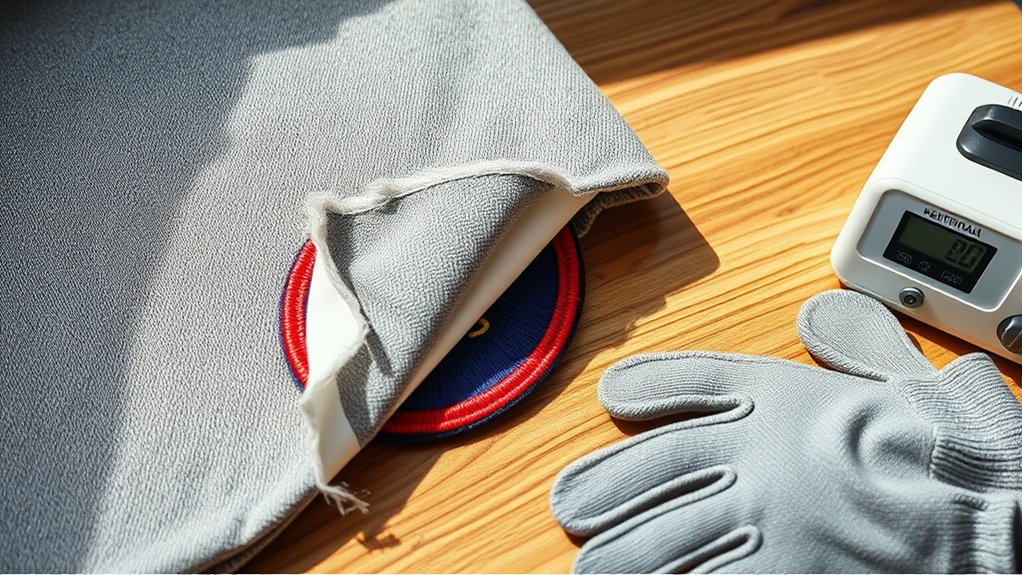
When heat press patches fail to adhere properly or show signs of wear prematurely, it often stems from incorrect temperature, pressure, or timing settings. You’ll want to verify your heat press reaches the manufacturer-recommended temperature, typically between 320°F to 350°F, and apply firm, even pressure for the specified duration, usually 10 to 15 seconds.
Patch adhesion issues often result from uneven pressure or insufficient heat, so calibrate your press regularly. Also, check that the substrate material is compatible and free of moisture or contaminants before applying patches. If edges lift, reapply heat with slightly increased pressure or time, but avoid overheating, which can damage both patch and fabric.
Mastering these patch application techniques helps you avoid failures and achieve durable, professional results consistently.
Frequently Asked Questions
Can Heat Press Patches Be Removed Without Damaging Fabric?
You can remove heat press patches without damaging fabric by using proper removal techniques like heating with an iron or applying adhesive remover.
Be cautious, as fabric types react differently, so always test on a small area first.
Are Heat Press Patches Safe for All Clothing Materials?
You should check fabric compatibility before applying heat press patches, as not all materials meet safety standards for heat exposure. Using compatible fabrics guarantees patch adhesion without damaging the garment or compromising safety during pressing.
Do Heat Press Patches Affect Garment Breathability?
Heat press patches can slightly reduce breathability by creating a sealed area on fabric, which may affect garment comfort. However, high-quality, breathable materials minimize this effect, preserving overall airflow and wearer comfort effectively.
Can Heat Press Patches Be Reused on Different Items?
Think of a heat press patch like a sticker. You can’t peel it off and stick it elsewhere without damage.
Patch longevity depends on fabric compatibility, so reusing patches on different items usually isn’t feasible or effective.
How Do Heat Press Patches Hold up in Extreme Weather?
You’ll find that heat press patches offer solid weather durability, maintaining adhesion and color in extreme conditions like heavy rain or intense sun. However, prolonged exposure may weaken bonds, so occasional reinforcement is wise for lasting performance.
Conclusion
Heat press patches offer a quick, durable solution that sticks like glue when applied correctly, making them ideal for most fabric repairs and customizations. While they may not be as strong as sewn patches for heavy-duty use, their ease and efficiency often outweigh this.
By following precise heat and pressure guidelines, you’ll guarantee maximum adhesion and longevity. This method saves time and effort compared to traditional sewing.
So, if you want a fast, reliable fix without sewing, heat press patches are a smart choice you can count on. Overall, heat press patches are good for convenient and effective fabric repairs.