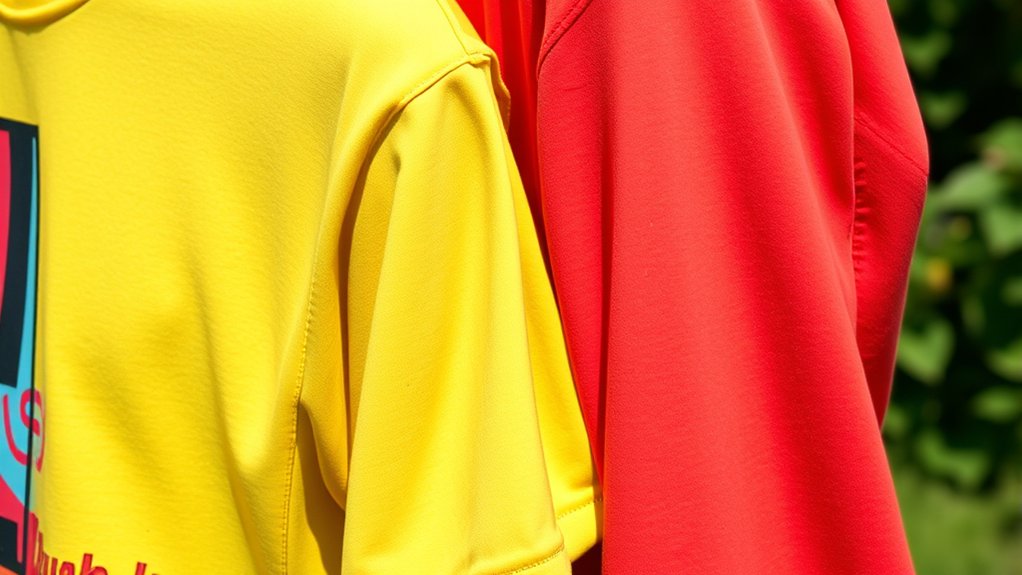

When deciding between vinyl and screen printing durability, understanding how each performs is crucial to choosing the right method for your project.
Vinyl offers strong resistance to cracking, peeling, and fading, especially under outdoor conditions. With proper care, it can last 3 to 5 years, making it a reliable choice for long-term wear.
Screen printing embeds ink into fabric fibers, providing excellent color retention and flexibility, particularly on natural fibers. However, it is more prone to fine cracking when the fabric is stretched.
Each method handles wear differently based on fabric type and usage.
You’ll find deeper insights ahead to help optimize your prints’ lifespan.
Key Takeaways
- Vinyl printing offers superior resistance to cracking and fading, making it more durable for outdoor and frequently handled apparel.
- Screen printing embeds ink into fabric fibers, providing long-lasting prints that maintain detail but may crack with fabric stretching.
- Vinyl prints typically last 3-5 years with proper care, while screen prints’ longevity depends on ink type and fabric quality.
- Vinyl requires gentle washing inside out with cold water and low heat drying to prevent peeling and cracking.
- Screen prints fare better on natural fibers and need washing inside out with mild detergents to minimize abrasion and fading.
What Durability Means for Vinyl and Screen Printing
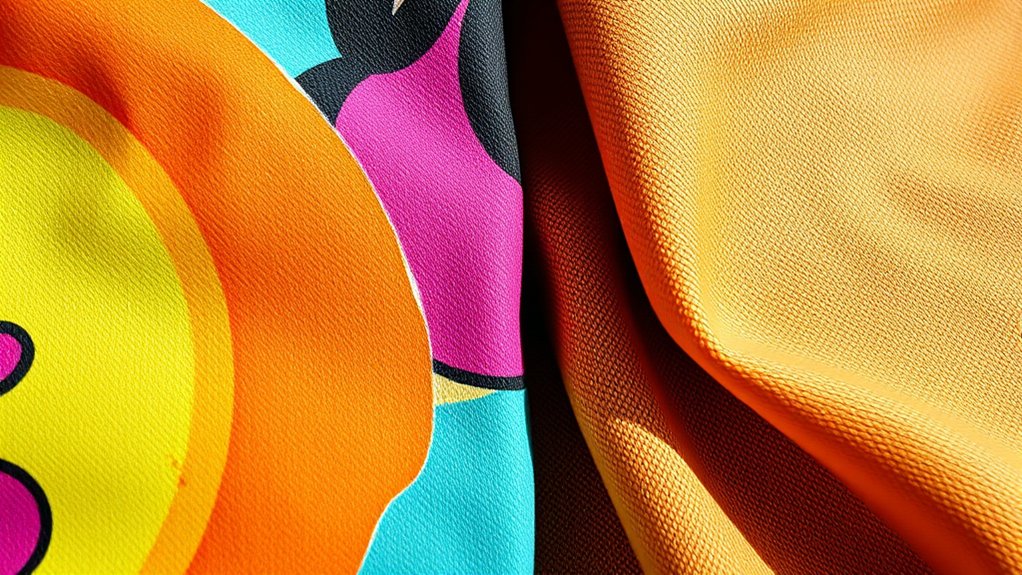
Durability defines how well vinyl and screen printing withstand wear, washing, and environmental stress over time. You’ll notice vinyl’s flexibility allows it to stretch and conform to fabric movements, reducing cracking or peeling under frequent use.
This adaptability stems from its thin yet resilient layer, which maintains adhesion without compromising material integrity. Conversely, screen printing’s durability hinges on the thickness of the ink applied. Thicker layers offer robust resistance to abrasion and fading but can stiffen the fabric, potentially impacting comfort and flexibility.
When evaluating durability, focus on vinyl flexibility for dynamic wear and screen printing thickness for static, heavy-duty applications. Understanding these technical distinctions helps you choose the right method based on how the print will endure physical and environmental challenges.
How Vinyl Printing Holds Up Over Time and Washing
You’ll notice vinyl prints maintain sharp edges and vibrant colors for many washes, but heat and abrasion gradually weaken the adhesive. Proper washing with cold water, gentle cycle, and inside out helps preserve the print’s integrity. Simple care steps can greatly extend your vinyl design’s lifespan.
Longevity of Vinyl Prints
Although vinyl prints offer vibrant colors and sharp details, their longevity depends heavily on how you care for them. The vinyl lifespan typically ranges from three to five years under normal wear, but proper print maintenance can extend this considerably.
You should avoid excessive heat and harsh chemicals, which can cause vinyl to crack or peel. Storing garments in cool, dry places prevents premature degradation.
When washing, turn items inside out and use cold water to minimize stress on the print. The smooth surface of vinyl resists fading better than many inks, but repeated abrasion will wear down the edges over time.
Wash Resistance Factors
When you wash vinyl-printed garments, factors like water temperature, detergent type, and washing method directly impact the print’s integrity. High heat can weaken vinyl adhesion, causing the print to crack or peel over time. Harsh detergents with strong chemicals can degrade the vinyl film, reducing its lifespan.
Gentle washing cycles preserve the vinyl’s bond to the fabric, maintaining sharp edges and vibrant colors longer. Unlike vinyl, screen printing relies on ink’s inherent flexibility, allowing it to move with the fabric and resist cracking during wash cycles.
Vinyl prints, however, are less flexible and more prone to stress at bends, making careful washing essential. Understanding these wash resistance factors helps you maximize vinyl print durability without sacrificing appearance or comfort.
Maintenance Tips for Durability
Since vinyl prints face challenges like cracking and peeling over time, proper maintenance plays an essential role in preserving their durability. You should establish consistent maintenance routines, including gentle washing and careful handling.
Avoid harsh detergents and opt for mild, non-abrasive cleaning techniques. Wash garments inside out in cold water to minimize friction and heat exposure that accelerates vinyl degradation.
Air drying is preferable to using dryers, which can cause vinyl to warp or lift. When ironing, place a cloth over the print and use low heat to prevent melting.
Storing printed items flat or folded without heavy pressure helps maintain vinyl adhesion. By following these targeted maintenance routines and precise cleaning techniques, you can considerably extend the lifespan and visual integrity of your vinyl prints over time and multiple washes.
How Screen Printing Lasts With Long-Term Wear and Care
You’ll notice screen prints maintain sharp detail and vibrant color through countless wears when cared for properly. Using cold water and gentle cycles reduces ink cracking and fading over time.
Avoid harsh detergents and high heat to keep the print’s texture intact and durable.
Longevity of Screen Prints
Although screen printing applies thick layers of ink that bond well to fabric fibers, its longevity depends heavily on how you care for the garment. Over time, screen print fading occurs as ink adhesion weakens from repeated wear and washing. The durability varies based on ink type, fabric, and usage conditions.
| Factor | Impact on Longevity |
|---|---|
| Ink Adhesion | Strong adhesion reduces fading |
| Fabric Type | Natural fibers hold ink better |
| Wear & Washing | Frequent abrasion accelerates fading |
Understanding these factors helps you anticipate how long your screen prints will remain vibrant. Proper initial adhesion combined with minimal abrasion preserves the print’s integrity, ensuring your designs stay sharp and vivid through long-term use.
Care Tips for Durability
When you handle screen-printed garments with care, the prints maintain their sharpness and vibrancy much longer. Prioritize gentle fabric care: turn garments inside out before washing to protect the print surface.
Use cold water and mild detergents to reduce stress on ink adhesion. Avoid bleach and fabric softeners, as they degrade print quality.
Air-drying or tumble drying on low heat preserves the print’s integrity by preventing cracking or peeling. Store screen-printed items folded or hung in cool, dry places to avoid moisture damage.
Following these washing techniques and fabric care routines guarantees your screen prints withstand long-term wear without fading or distortion, maximizing their lifespan and appearance.
Effects of Washing Methods
Because washing methods directly impact ink adhesion and fabric integrity, choosing the right technique is essential for screen printing durability. You’ll want to control washing temperature effects by opting for cold or lukewarm water, which prevents ink cracking and fading.
Detergent impact also matters. Use mild, bleach-free detergents to avoid breaking down pigments. Avoid harsh agitation and tumble drying to maintain the print’s sharpness and fabric strength.
Feel confident knowing your design won’t peel or crack prematurely.
Enjoy vibrant colors that resist dulling after multiple washes.
Protect your investment by extending garment lifespan.
Keep prints smooth and flexible, not stiff or brittle.
Common Durability Problems to Watch for With Both Methods
Even the most durable vinyl and screen printing techniques can face challenges over time. With vinyl, you’ll often notice vinyl peeling at edges or corners, especially after repeated flexing or improper heat application during transfer. This causes parts of the design to lift, compromising appearance and wear.
Screen printing, meanwhile, can develop fine screen cracking, which appears as tiny fissures breaking the ink layer. This usually results from fabric stretching, aging, or exposure to harsh conditions. Both methods can also suffer from color fading due to UV exposure or harsh detergents.
To maintain longevity, inspect prints regularly for these common defects, as early detection lets you address issues before they worsen, ensuring your prints stay sharp and intact longer.
How Fabric Type Affects Vinyl and Screen Print Durability
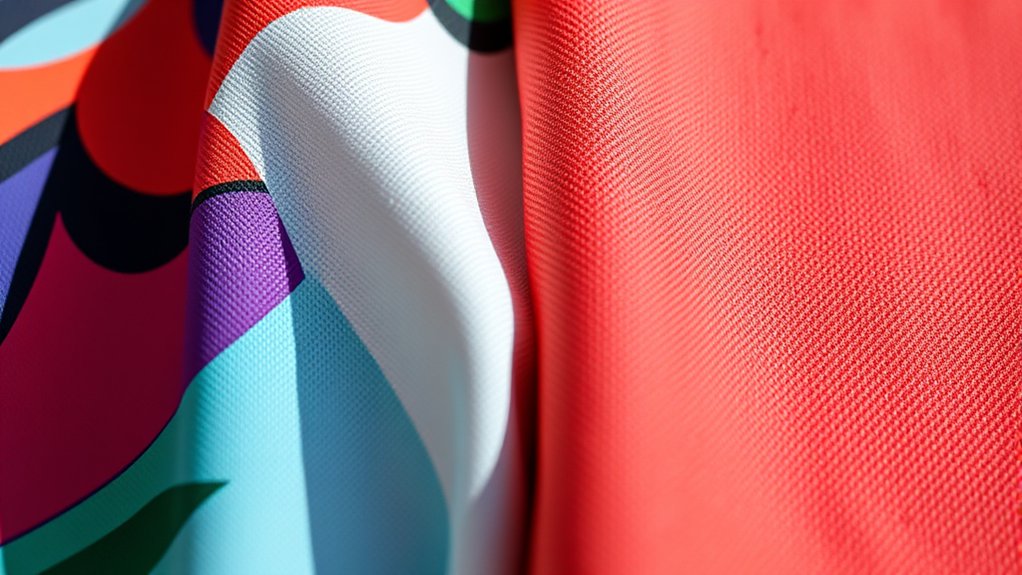
Although both vinyl and screen printing offer strong durability, the type of fabric you choose plays an essential role in how well each method holds up over time. Fabric blends and texture impact adhesion and wear resistance differently. Vinyl adheres best to smooth, tightly woven fabrics, while screen printing excels on a wider range but may show cracking on rough textures.
Consider how fabric blends like cotton polyester mixes affect flexibility and ink absorption.
- Smooth textures enhance vinyl’s longevity and crispness
- Rough or textured fabrics may cause vinyl peeling or ink cracking
- Natural fibers absorb screen ink better, improving durability
- Synthetic blends provide balanced stretch but can alter print lifespan
Choosing the right fabric optimizes print durability and maintains design integrity longer.
Tips to Make Your Vinyl and Screen Prints Last Longer
To extend the life of your vinyl and screen prints, you should prioritize proper care and handling from the start. For vinyl care, always wash garments inside out in cold water to prevent peeling and cracking. Avoid bleach and fabric softeners, which degrade vinyl adhesives.
When drying, opt for air drying or low heat settings to maintain print flexibility. For screen prints, minimize friction by turning items inside out before washing and avoid harsh detergents.
Iron prints only on the reverse side using a low temperature to prevent ink damage. Store printed garments flat or folded loosely to avoid creases that stress prints.
Consistent print maintenance like these technical steps preserves color vibrancy and adhesion, ensuring your vinyl and screen prints remain sharp and durable through extended use and multiple wash cycles.
Which Printing Method Is Best for Durability Needs
How do you decide which printing method holds up best over time? When durability is your priority, consider the specific demands of your project. Vinyl applications offer strong resistance to cracking and fading, making them ideal for outdoor gear or items exposed to harsh conditions.
Screen printing techniques, however, embed ink deeply into fabric fibers, resulting in long-lasting prints that withstand frequent washing.
Think about these factors:
- Exposure to weather or abrasion
- Frequency of washing or wear
- Fabric type and texture compatibility
- Desired finish and tactile feel
If you need rugged, weather-resistant prints, vinyl applications excel. For vibrant, breathable designs that endure repetitive stress, screen printing techniques are your go-to. Your choice hinges on the environment and use-case, ensuring your print remains flawless for as long as you need.
Frequently Asked Questions
Can Vinyl or Screen Printing Be Reused After Removal?
You can’t reuse vinyl after removal since it loses adhesive strength, but screen printing longevity means the design stays durable on fabric even after washing.
Which Method Is More Eco-Friendly, Vinyl or Screen Printing?
You’ll find screen printing more eco-friendly due to lower eco impact and sustainable material sourcing. Vinyl involves plastics and adhesives, increasing waste and pollution.
Screen printing uses water-based inks and reusable screens, minimizing environmental harm.
How Do Costs Compare Between Vinyl and Screen Printing?
When it comes to cost analysis, vinyl usually wins by a nose for small runs, while screen printing shines on bulk orders. Your pricing comparison depends on volume and design complexity. Choose wisely to get bang for your buck.
Are There Color Limitations for Vinyl Versus Screen Printing?
You’ll find vinyl offers vibrant colors but struggles with complex designs, while screen printing handles intricate details better. However, screen printing may lose some color vibrancy on darker fabrics. Balance your choice based on color vibrancy and design complexity.
Can Both Methods Be Combined on the Same Garment?
Like a knight wielding sword and lance, you can combine vinyl and screen printing on one garment. This fusion boosts design versatility, requiring precise application techniques to harmonize textures and colors for a striking, durable print.
Conclusion
You might think vinyl’s sleek finish or screen printing’s classic feel guarantees eternal durability—but both have their Achilles’ heel. Vinyl can crack and peel, while screen prints may fade or crack over time.
Fabric type and care play sneaky roles you can’t ignore. So, if you’re chasing durability, don’t just pick a method; pick your battles wisely and treat your prints right.
After all, even the toughest prints aren’t invincible. When considering vinyl vs screen printing durability, understanding these factors is key to making the best choice.