
Silk screen printing vs vinyl printing both offer unique advantages depending on your project needs.
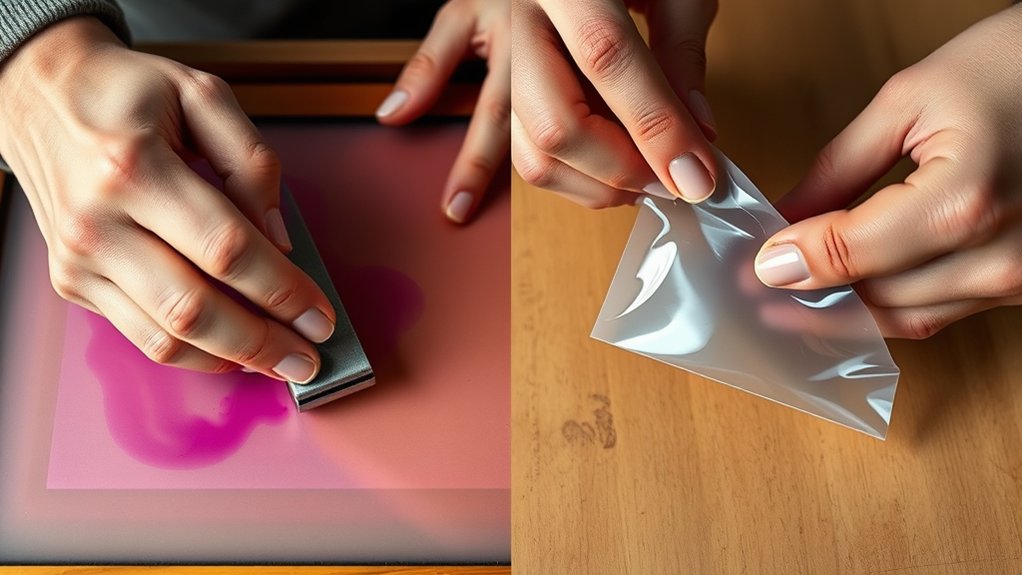
With vinyl printing, you’ll get sharper edges and faster setups because it cuts designs from colored vinyl layers that heat-press onto surfaces. This method is great for small runs or straightforward shapes.
Silk screen printing, on the other hand, pushes ink through fine mesh stencils, providing richer colors and deeper fabric bonding. This results in prints that last longer and handle wear better.
Silk screen excels with complex, multi-color work, making it ideal for detailed designs.
To choose the best fit for your project’s durability, cost, and design needs, keep exploring these key differences.
Key Takeaways
- Silk screen printing offers vibrant colors, deep ink penetration, and suits intricate, multi-color designs better than vinyl printing.
- Vinyl printing provides sharp edges and quick setup, ideal for simple, bold designs and smaller batch projects.
- Silk screen inks bond deeply with fabric for superior durability, while vinyl may crack, peel, or fade over time.
- Silk screen printing has higher initial costs but is more cost-effective for large orders compared to vinyl.
- Vinyl printing resists moisture and UV better but struggles with gradients and intricate details unlike silk screen.
How Silk Screen Printing Works
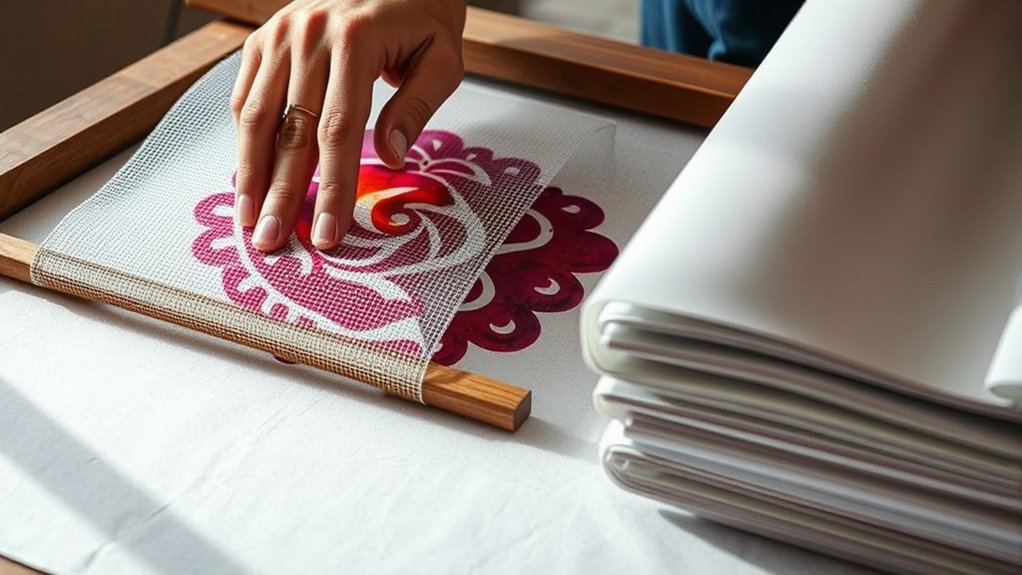
In silk screen printing, you push ink through a fine mesh stencil to create your design on a surface. The key lies in selecting the right screen mesh type. Higher mesh counts capture intricate details, while lower counts allow thicker ink layers.
You position the screen over your substrate and use a squeegee to apply consistent pressure, forcing ink through open mesh areas. Ink application techniques vary: you can flood the screen first to cover the stencil, then pull the squeegee to transfer ink, ensuring even coverage.
The stencil blocks ink where the design isn’t needed, so the ink deposits only on exposed areas. Mastering mesh tension and squeegee angle helps control ink flow and sharpness, resulting in crisp, durable prints with vibrant colors and clean edges.
How Vinyl Printing Works
Vinyl printing works by cutting your design from a sheet of colored vinyl using a precision plotter. This machine follows your digital artwork with exactitude, slicing through the vinyl layer to capture fine design intricacies.
After cutting, the excess vinyl is weeded away, leaving only the desired design on the backing sheet. You then use heat and pressure to transfer the vinyl onto your chosen substrate, a process integral to many vinyl applications like apparel, signage, and decals.
This method excels when handling sharp edges and small details, as the plotter’s precision maintains clarity and sharpness. Since each color requires a separate vinyl layer, you can achieve vibrant, clean results without the mess of inks, making vinyl printing a highly controlled and visually striking option.
Durability: Silk Screen Vs Vinyl Printing
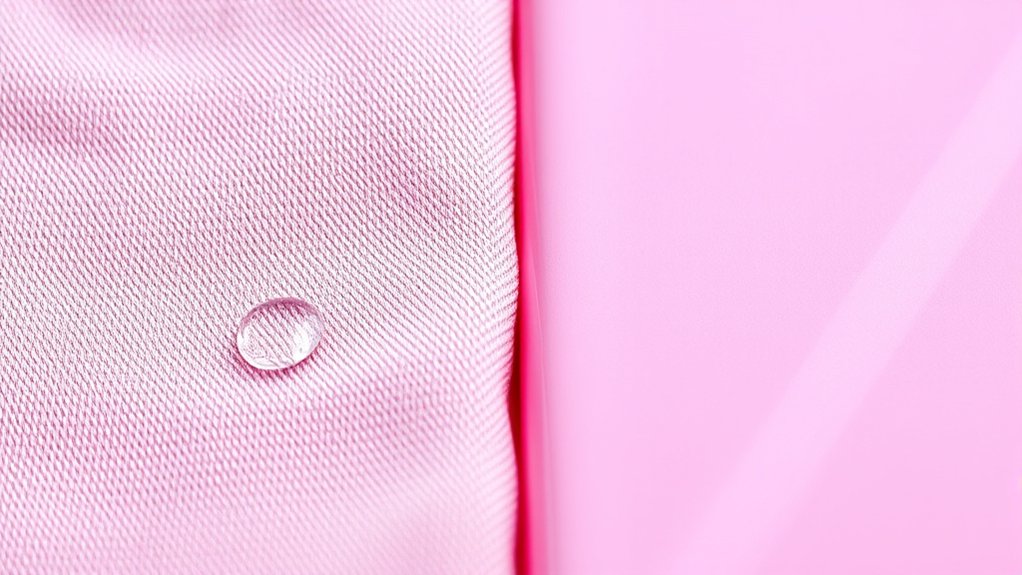
You need a print that stands up to harsh conditions without fading or peeling quickly. Silk screen printing embeds ink deeply into fabric fibers, boosting longevity against wear and tear.
Vinyl printing, meanwhile, offers sharp designs but can crack or fade faster under intense use.
Longevity Under Harsh Conditions
Although both silk screen and vinyl printing can produce vibrant designs, their durability under harsh conditions varies considerably. You’ll find that environmental factors like moisture, abrasion, and temperature swings impact each method differently based on material quality.
Silk screen ink bonds directly with fabric fibers, offering strong adhesion but can degrade under constant friction or moisture. Vinyl, made from durable polymer films, resists abrasion and water better but may crack if exposed to severe cold or stretched excessively.
| Factor | Silk Screen Printing | Vinyl Printing |
|---|---|---|
| Moisture | Moderate resistance | High resistance |
| Abrasion | Moderate durability | High durability |
| Temperature | Good durability | Prone to cracking in cold |
| Material Quality | Dependent on ink type | Dependent on vinyl grade |
| Environmental Impact | Ink degradation possible | Vinyl may peel over time |
Resistance To Fading
Beyond handling moisture and abrasion, how each printing method holds up against fading considerably affects the lifespan of your design. Silk screen printing excels in fading resistance due to its use of high-quality inks that penetrate fabric fibers deeply, ensuring vibrant color retention even after prolonged sun exposure.
The pigments bond chemically, minimizing color breakdown under UV light. Vinyl printing, while initially sharp and bright, relies on a surface layer that can degrade faster when exposed to sunlight, causing colors to dull over time. However, premium vinyl films with UV coatings can enhance fading resistance but may still lag behind silk screen’s inherent durability.
When you prioritize long-lasting color retention, silk screen printing generally outperforms vinyl, especially for designs subjected to frequent outdoor exposure.
Wear And Tear Comparison
When evaluating durability, silk screen printing and vinyl face distinct challenges under daily wear and tear. You’ll notice wear patterns differ: silk screen tends to crack with heavy use, while vinyl may peel, especially on flexible fabrics. Fabric compatibility plays a key role. Silk screen adapts well to various textiles, and vinyl excels on smoother surfaces.
| Durability Factor | Silk Screen Printing | Vinyl Printing |
|---|---|---|
| Wear Patterns | Cracking over time | Peeling on stretchy fabrics |
| Fabric Compatibility | High (cotton, blends) | Moderate (best on polyester) |
| Longevity | 30+ washes with care | 20-25 washes before damage |
Choose based on fabric type and expected wear to maximize print life.
Cost Comparison: Silk Screen Vs Vinyl
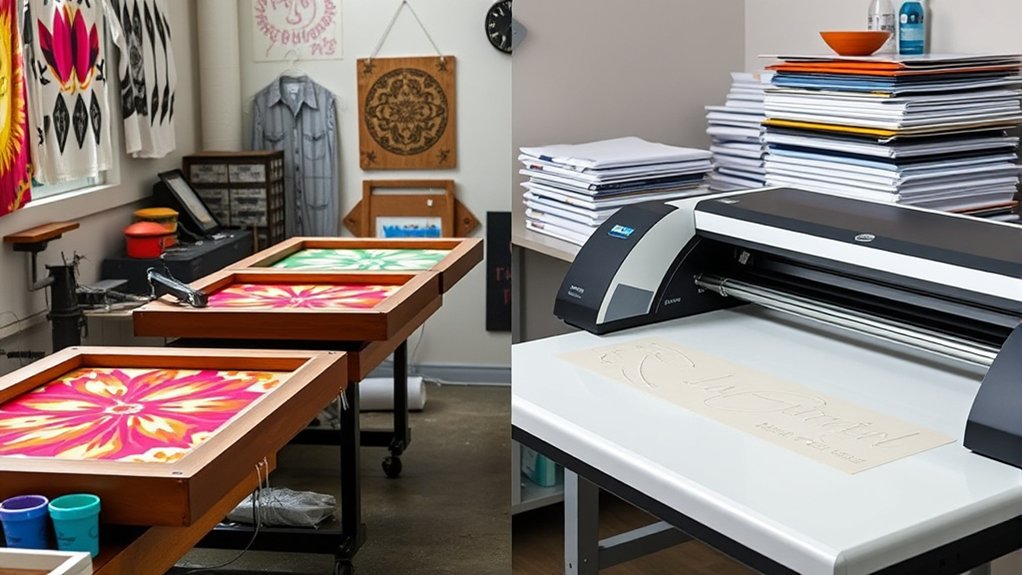
You’ll face higher initial setup costs with silk screen printing due to screen preparation, while vinyl requires minimal upfront investment.
Per unit pricing drops considerably with larger silk screen runs, making it cost-effective for bulk orders. Vinyl shines in small batches or custom designs, but over time, silk screen often offers better long-term savings.
Initial Setup Expenses
Although both silk screen printing and vinyl require upfront investments, their initial setup costs differ considerably based on equipment and materials. For silk screen printing, your initial investment includes purchasing screens, squeegees, inks, and a press. The equipment costs can be substantial, especially if you opt for automated presses.
Additionally, you’ll need a workspace with proper ventilation for ink drying. Vinyl printing demands a vinyl cutter, heat press, and rolls of vinyl. While the cutter and heat press can be pricey, the overall equipment costs tend to be lower than silk screen setups.
Vinyl’s simpler setup means you can start with less capital, but you’ll invest more in consumables over time. Understanding these initial investments helps you plan your budget and choose the right method for your production scale.
Per Unit Pricing
Beyond initial setup, the cost per unit plays a key role in deciding between silk screen printing and vinyl. When you place bulk orders, pricing tiers impact your bottom line differently for each method.
Silk screen benefits more from volume, lowering cost considerably as quantity rises. Vinyl pricing is steadier but can spike with complex designs.
| Order Size | Silk Screen Cost/Unit | Vinyl Cost/Unit |
|---|---|---|
| 50 units | $8.00 | $10.50 |
| 200 units | $4.50 | $9.75 |
| 500 units | $2.50 | $9.50 |
| 1000+ units | $1.75 | $9.25 |
You’ll find silk screen printing more cost-effective for larger runs, while vinyl suits smaller batches with consistent pricing tiers.
Long-Term Cost Efficiency
When evaluating long-term cost efficiency, consider how each method’s initial investments and recurring expenses accumulate over time. Silk screen printing demands higher upfront costs due to setup, screens, and inks, but its per-unit cost drops markedly with volume, offering substantial long term savings for large runs.
Vinyl printing has lower initial costs and quicker setup, yet its material and labor expenses per unit remain relatively constant, impacting the economic impact negatively on high-volume projects. Additionally, silk screen prints endure longer, reducing replacement frequency and enhancing cost efficiency.
Vinyl’s durability varies, potentially increasing maintenance or reprinting costs. By analyzing your project size and lifespan requirements, you can leverage silk screen printing’s scalable savings or vinyl’s flexibility, optimizing your long-term budget and minimizing economic impact effectively.
Color and Design Flexibility Compared
Since color and design flexibility are essential for customizing prints, understanding how silk screen printing and vinyl handle these aspects helps you choose the right method. Silk screen printing excels in delivering unmatched color vibrancy, especially on darker fabrics, thanks to its ability to layer inks precisely.
It also supports complex gradients and subtle shading, enhancing design intricacy beyond simple shapes. Vinyl, however, offers sharp, clean edges and solid colors but struggles with intricate details and color blending due to its cut-and-apply nature.
While vinyl limits you to fewer colors per design, silk screen printing allows multiple ink colors with smooth shifts. If your project demands vivid hues and fine, detailed artwork, silk screen printing gives you greater creative freedom, whereas vinyl suits bold, straightforward designs better.
Which Printing Method Is Right for Your Project?
How do you decide which printing method fits your project best? Focus on your design preferences and project scale to guide your choice.
- Project Scale: For large runs, silk screen printing is cost-effective and consistent. Smaller batches or one-offs lean toward vinyl for quick, clean cuts.
- Design Preferences: Complex, multi-color designs benefit from silk screen’s layered ink process. Simple, bold shapes with fewer colors suit vinyl’s crisp edges.
- Durability Needs: Silk screen offers vibrant, long-lasting prints ideal for frequent washing. Vinyl provides a smooth, slightly raised texture, perfect for standout logos or text.
Match your project’s technical demands with these factors to select the best printing method.
How to Care for Silk Screen and Vinyl Prints
Choosing the right printing method is just the start; proper care keeps your prints looking sharp and lasting longer. For silk screen prints, follow specific print maintenance by washing garments inside out with cold water, avoiding bleach and harsh detergents. Air drying or low-heat tumble drying reduces cracking.
For vinyl prints, avoid ironing directly on the design; instead, use a protective cloth and low heat. Hand washing vinyl prints preserves adhesion better than machine cycles.
Both methods benefit from prompt stain treatment and storing items flat or folded without heavy creasing on prints. Adhering to these care instructions prevents fading, peeling, and distortion, ensuring your artwork maintains crisp edges and vibrant colors.
Consistent, gentle care maximizes print durability, keeping your designs fresh wear after wear.
Frequently Asked Questions
Can Silk Screen Printing Be Used on Materials Other Than Fabric?
Yes, you can use silk screen printing on various surfaces beyond fabric. Its silk screen versatility allows precise ink application on glass, metal, plastics, and paper, enabling vibrant, durable prints for diverse non fabric applications with sharp detail.
Is Vinyl Printing Eco-Friendly Compared to Silk Screen Printing?
You’ll find vinyl sustainability challenging since PVC releases toxins, while silk screen chemicals often contain harmful solvents.
Vinyl’s eco-friendly claims fall short, as silk screen printing can use water-based inks, reducing environmental impact considerably.
How Long Does the Setup Process Take for Each Printing Method?
You’ll find vinyl’s setup duration is quick, boosting printing efficiency for short runs. Silk screen printing takes longer to prepare screens but shines with efficiency on large batches, thanks to reusable stencils and consistent ink application.
Are There Limitations on Print Size for Vinyl and Silk Screen?
Size surprises surface: vinyl faces flexible print area limits, usually smaller; silk screen supports sizeable surfaces but struggles with size restrictions on intricate details.
You’ll balance print area demands with method-specific size restrictions carefully.
Can Both Methods Be Combined in a Single Design?
Yes, you can combine both methods, enhancing design versatility and enabling creative layering. Use silk screen for bold base colors and vinyl for sharp, detailed accents, achieving a dynamic, textured finish that stands out visually and technically.
Conclusion
So, which printing method fits your project best? Silk screen printing offers vibrant, long-lasting colors ideal for bulk runs, while vinyl printing gives you sharp, detailed designs perfect for smaller batches or customization.
You’ll want to weigh durability, cost, and design flexibility before deciding. Remember, caring for your prints properly extends their life—whether it’s silk screen or vinyl.
Choose smart, print smart, and make your design stand out with silk screen printing vs vinyl.