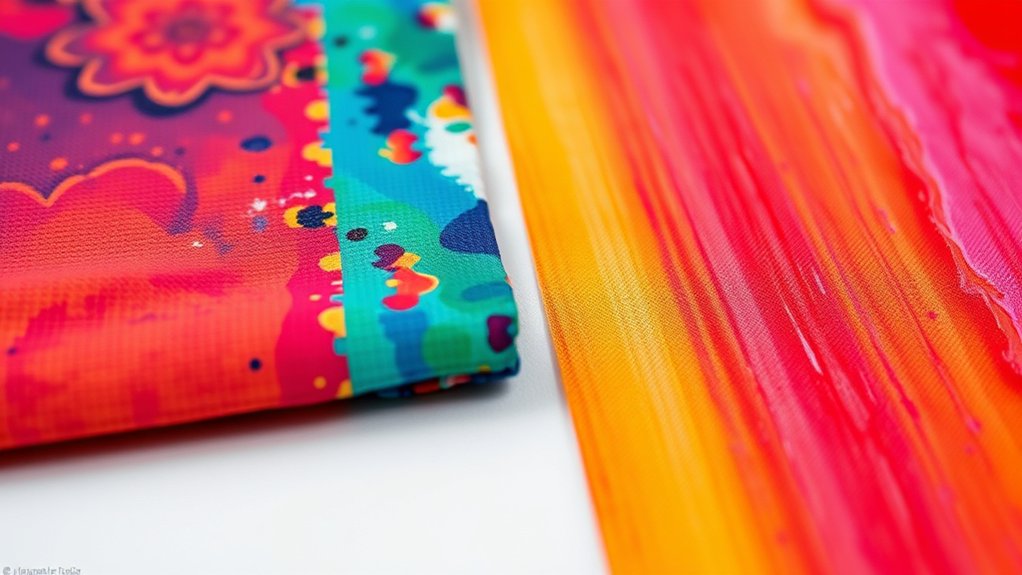

Screen print vs heat transfer quality is a key consideration when choosing the best method for your design.
Screen printing locks bold colors deep into fabric fibers, giving your design a vibrant look that lasts wash after wash without cracking or fading.
Heat transfer, on the other hand, shines with intricate details and smooth gradients. It’s perfect for colorful, photo-like prints but may peel or stiffen over time.
Your choice depends on whether you prioritize durable texture or detailed vibrancy. Exploring both methods will help you match the best technique to your project’s fabric and purpose.
Key Takeaways
- Screen printing embeds ink deeply into fabric, offering vibrant colors and superior durability over time.
- Heat transfer excels at capturing intricate details and photo-quality images with a wide color range.
- Screen printing results in a smooth, slightly raised texture that integrates with fabric fibers.
- Heat transfers sit on fabric surface, prone to cracking, peeling, and fabric stiffening.
- For longevity and frequent washing, screen printing maintains quality better than heat transfer.
Why Screen Printing Delivers Durable, Vibrant Prints
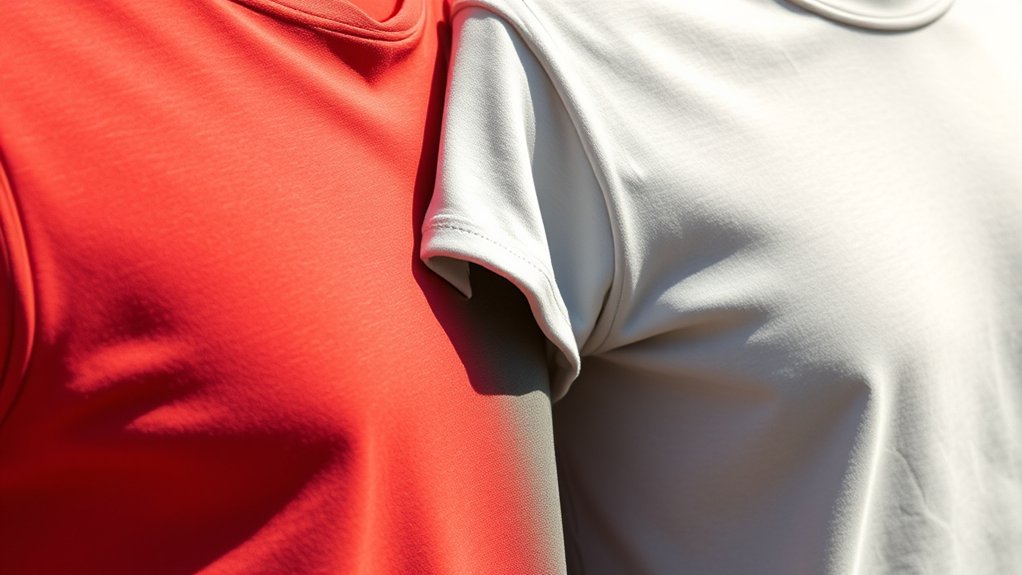
Although both methods offer unique benefits, screen printing stands out because it embeds ink deeply into fabric fibers, creating prints that don’t just sit on the surface but become part of the garment itself. When you look closely, you’ll notice how the color saturation is rich and consistent, almost glowing against the fabric.
This happens because the ink’s adhesion is strong, locking each pigment into place with precision. You can almost feel the texture, a slightly raised yet smooth finish that tells you this print will withstand countless washes without fading or cracking.
The process’s ability to saturate fabric so thoroughly means your design stays vibrant and durable, making screen printing the go-to choice when you want your artwork to last and pop.
Why Heat Transfer Excels at Detailed, Colorful Designs
While screen printing locks vibrant colors deep into fabric, heat transfer brings a different kind of magic, especially when your design demands intricate details and a broad spectrum of colors. When you use heat transfer, you capture every tiny line and subtle gradient with stunning precision, making complex artwork come alive.
The process prints your design onto a special film, then presses it onto your garment, preserving both color vibrancy and fine elements that screen printing can struggle to achieve. This means you’re free to explore vibrant rainbows, subtle shading, and photo-quality images without losing clarity.
If your project calls for dazzling color vibrancy paired with delicate, intricate details, heat transfer gives your design the sharpness and brilliance it deserves.
How Screen Printing and Heat Transfer Compare in Longevity and Fabric Impact
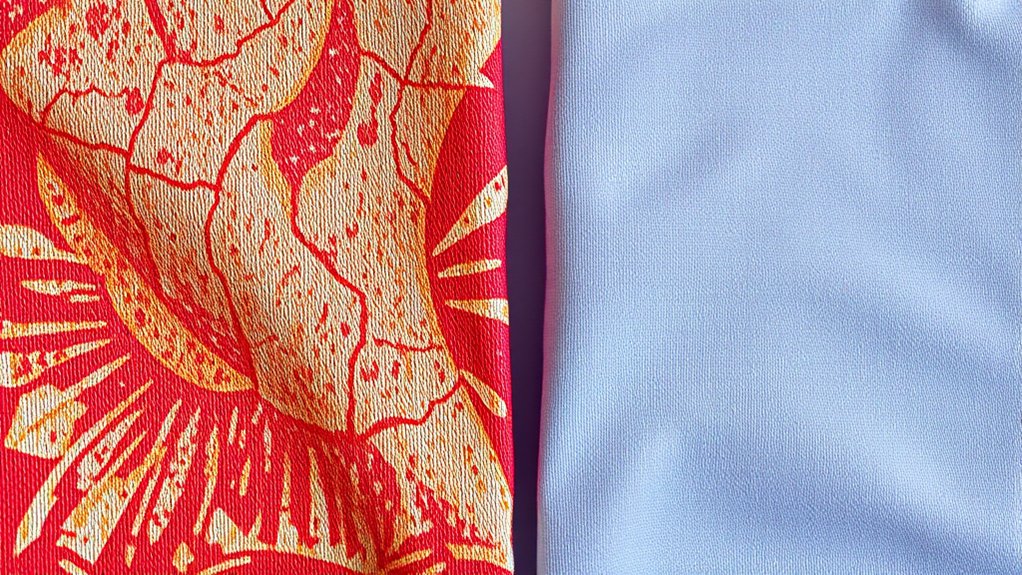
Because your garment has to withstand wear and washing, understanding how screen printing and heat transfer affect fabric and longevity is essential. Screen printing embeds ink deeper into the fabric fibers, enhancing fabric durability and resisting print fade even after countless washes.
You’ll notice the texture feels more integrated, as if the design is part of the fabric itself. Heat transfer, on the other hand, sits atop the garment’s surface. While it offers vibrant colors, it’s more prone to cracking or peeling over time, especially with frequent laundering.
The fabric beneath heat transfers may also stiffen slightly, affecting comfort. So, when longevity and fabric durability matter most, screen printing tends to outlast heat transfer, preserving your design’s crispness and your garment’s natural feel.
How to Decide Between Screen Printing and Heat Transfer for Your Project
Choosing the right printing method can make or break your project’s look and feel. When deciding between screen printing and heat transfer, weigh your cost considerations carefully.
Screen printing shines with bulk orders, offering lower costs per unit as production speed ramps up. It’s perfect if you want vivid, durable designs and can wait a bit longer for setup.
On the other hand, heat transfer excels in quick turnarounds and smaller runs, letting you bring intricate, colorful images to life without hefty setup fees.
Visualize your timeline and budget: if speed and flexibility top your list, heat transfer wins. But if you’re aiming for long-lasting vibrancy on large batches, screen printing is your go-to.
Your project’s scale and urgency will guide you to the perfect fit.
Tips for Choosing the Best Printing Method Based on Your Fabric and Usage
When your fabric’s texture and intended use come into play, the printing method you pick can transform your design from ordinary to extraordinary. To nail fabric compatibility and usage considerations, focus on these tips:
Choose screen printing for natural fibers like cotton where vibrant, durable designs shine through. Opt for heat transfer on polyester or blends, especially if you want detailed, multi-color prints.
Consider wear and washing: screen printing withstands heavy use, while heat transfer suits limited washes or special occasions. Match the printing method with the garment’s texture: smooth surfaces favor heat transfers, rougher fabrics benefit from screen printing’s ink adhesion.
Frequently Asked Questions
Can Screen Printing Be Done on Materials Other Than Fabric?
Yes, you can screen print on paper products, ceramic surfaces, plastic materials, and wood items. You’ll enjoy how vibrant colors pop and intricate designs reveal themselves, turning everyday objects into stunning, personalized masterpieces you create yourself.
What Is the Environmental Impact of Screen Printing Vs Heat Transfer?
You might think sustainability practices are just green whispers, but screen printing often demands more water and chemicals, challenging waste management. Heat transfer’s energy use varies, so your eco-friendly choice depends on balancing these visual impacts carefully.
Are There Any Health Risks Associated With Heat Transfer Printing?
Yes, you might face health concerns from fumes during heat transfer printing, but if you follow safety regulations like proper ventilation and protective gear, you’ll stay safe while creating vibrant, long-lasting designs without worry.
How Do Screen Printing and Heat Transfer Compare in Cost for Large Orders?
You’ll find screen printing offers better cost efficiency for large orders, thanks to bulk pricing that slashes per-unit costs. Heat transfer’s great for small runs but gets pricey when you scale up big batches.
Can Heat Transfer Prints Be Repaired if Damaged?
You can repair heat transfer prints using careful repair techniques like patching or reapplying heat, but keep in mind print longevity might shorten. Treat repairs gently to preserve that vibrant, fresh-from-the-press look you love.
Conclusion
Choosing between screen printing and heat transfer is like picking the perfect brush for your canvas. Screen printing paints bold, lasting strokes that weather time’s test, while heat transfer dances with intricate, vibrant hues that pop with every glance.
Think about your fabric’s story and how long you want your design to shine. Each method has its strengths depending on the project’s needs and desired finish.
With the right method, your project won’t just wear a print—it’ll wear a masterpiece. When evaluating screen print vs heat transfer quality, consider durability, color vibrancy, and fabric compatibility to make the best choice.