
Infusible Ink vs Screen Printing offers two distinct approaches to fabric decoration, each with its own advantages.
You’ll love how Infusible Ink melts vibrant colors right into polyester fabric, creating smooth, permanent designs that won’t crack or peel.
In contrast, screen printing layers bold, textured ink on various fabrics like cotton, giving a classic raised feel but may fade or crack over time.
Infusible Ink is perfect for detailed, small batches; screen printing shines with large runs and varied materials.
Ready to explore which method fits your creative vision best?
Key Takeaways
- Infusible Ink fuses dye into polyester fibers for vibrant, permanent designs without peeling; screen printing layers ink on fabric surface for bold textures.
- Polyester fabrics are ideal for Infusible Ink, while screen printing works well on cotton and blends, affecting design sharpness and durability.
- Infusible Ink designs are soft, fade-resistant, and won’t crack; screen prints are bold but may crack or fade after repeated washes.
- Screen printing requires costly screens and lengthy setups, making it cost-effective for large runs. Infusible Ink needs a heat press and suits small custom projects.
- Infusible Ink excels in detailed, small-batch designs on synthetic fabrics. Screen printing is better for large volumes and classic vibrant color on various fabrics.
How Do Infusible Ink and Screen Printing Differ?
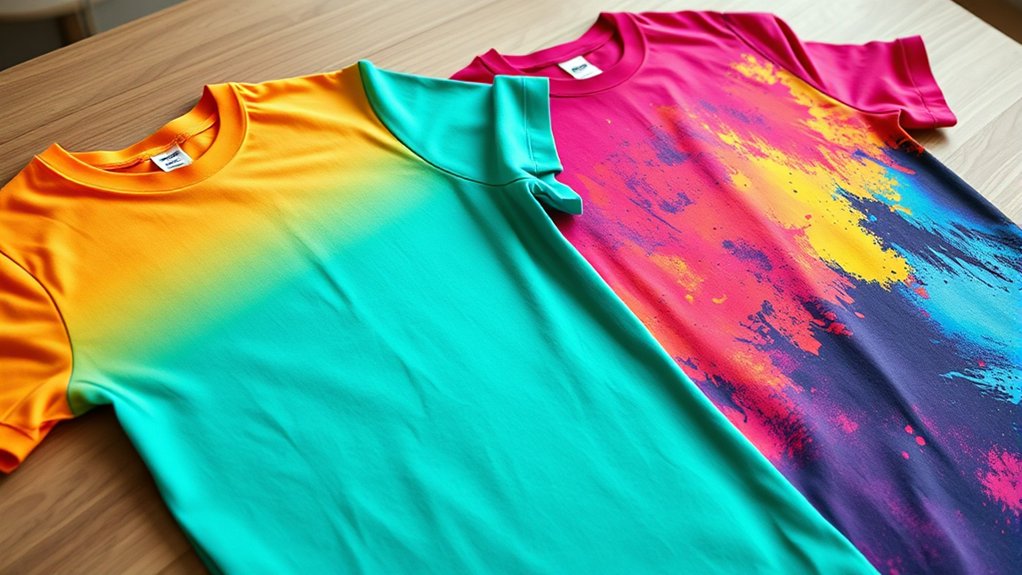
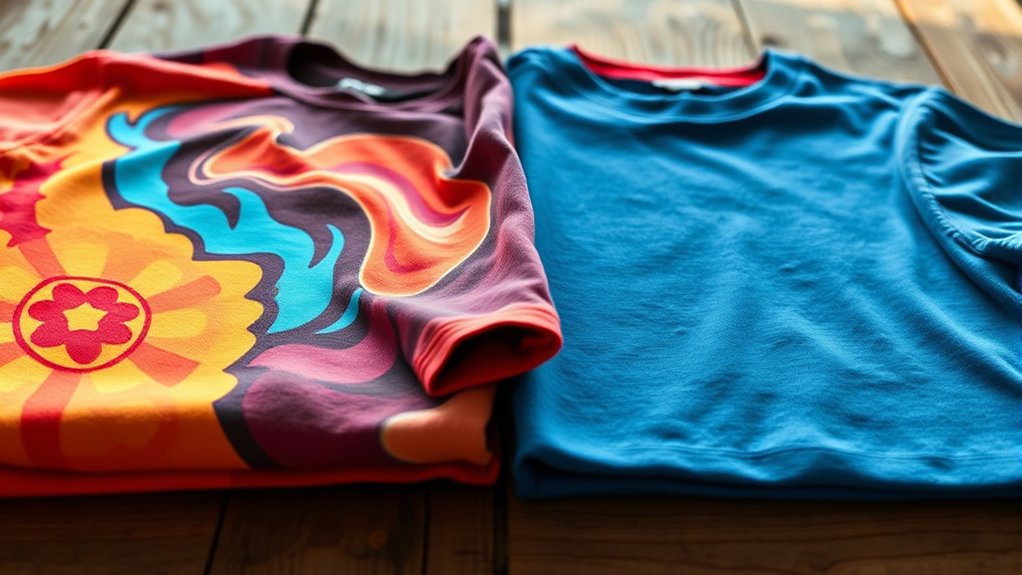
How exactly do Infusible Ink and screen printing set themselves apart? When you explore application techniques, Infusible Ink melts into the fabric, fusing colors directly into fibers, creating a seamless, vibrant look that won’t crack or peel.
Screen printing, on the other hand, layers ink atop the fabric through stencils, giving you bold, textured designs that sit visibly on the surface. Now, when it comes to design flexibility, Infusible Ink lets you achieve smooth gradients and intricate details effortlessly, perfect for complex, multicolor images.
Screen printing shines with solid colors and sharp edges but can struggle with subtle color shifts unless you use multiple screens. So, your choice hinges on whether you want a silky, embedded design or a tactile, striking print with clear color separations.
Which Fabrics Work Best With Infusible Ink and Screen Printing?
Choosing the right fabric can make or break your project, especially when working with Infusible Ink or screen printing. Understanding fabric compatibility guarantees your design pops and lasts.
Selecting the proper fabric ensures your design shines and endures with Infusible Ink or screen printing.
- Polyester-rich fabrics: Perfect for Infusible Ink, these material types absorb the ink’s dye, creating vibrant, permanent designs.
- Cotton and cotton blends: Ideal for screen printing, they hold ink well but aren’t suited for Infusible Ink’s heat transfer process.
- Blended fabrics: A mix of polyester and cotton offers some versatility but may affect color sharpness depending on the method.
- Synthetic fabrics: Generally avoid for screen printing due to ink adhesion issues but work beautifully with Infusible Ink.
Knowing these details helps you pick the fabric that aligns perfectly with your printing technique and design goals.
How Do Color Vibrancy and Durability Compare for Both Methods?
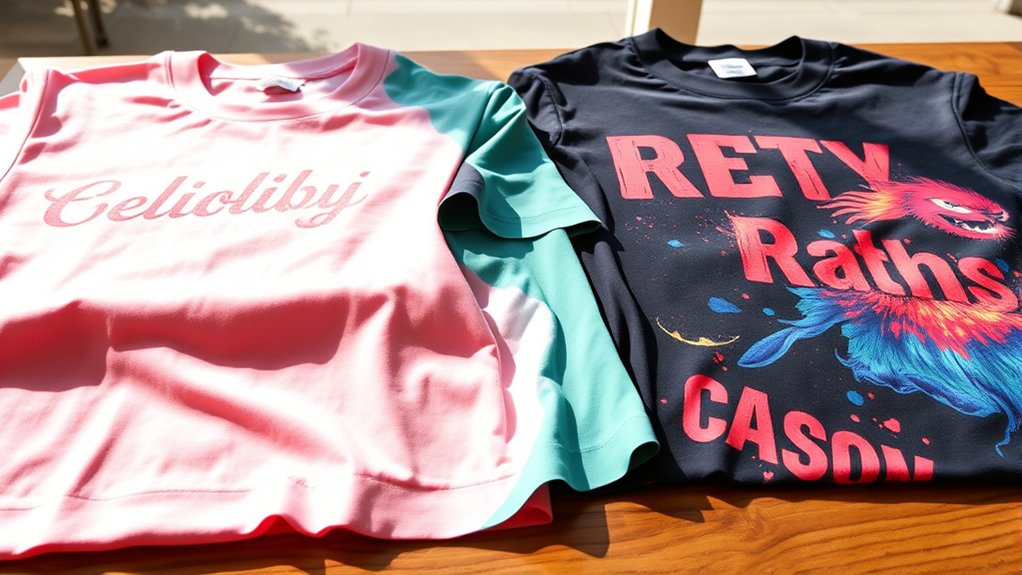
When you want your design to truly stand out, color vibrancy and durability become your top priorities. Infusible ink delivers stunning color saturation by infusing dye directly into the fabric’s fibers, creating vivid, smooth gradients that won’t crack or peel.
This method guarantees exceptional print longevity, as the design becomes part of the material itself. On the other hand, screen printing offers bold, opaque colors that sit on top of the fabric, producing sharp, vibrant images with excellent saturation, especially on darker garments.
However, over time, screen prints may fade or crack with repeated washes. So, if you’re after a softer feel with lasting brilliance, infusible ink excels. But for punchy, classic vibrancy with a tactile texture, screen printing remains a reliable choice.
What Are the Cost and Setup Differences Between Infusible Ink and Screen Printing?
Although both infusible ink and screen printing create striking designs, their cost and setup requirements differ markedly, shaping which method suits your project best. When performing a cost analysis, consider these factors:
- Initial investment: Screen printing demands costly screens and a press, while infusible ink needs a heat press and compatible printer.
- Setup time: Screen printing involves lengthy stencil preparation; infusible ink lets you print directly, speeding setup.
- Material costs: Screens last long but require ink refills; infusible ink sheets are single-use but reduce waste.
- Batch size impact: Screen printing shines in large runs, lowering per-piece costs; infusible ink suits smaller, custom projects.
Understanding these setup requirements and costs helps you visualize the best fit for your creative and budgetary needs.
How to Choose the Right Method for Your Project
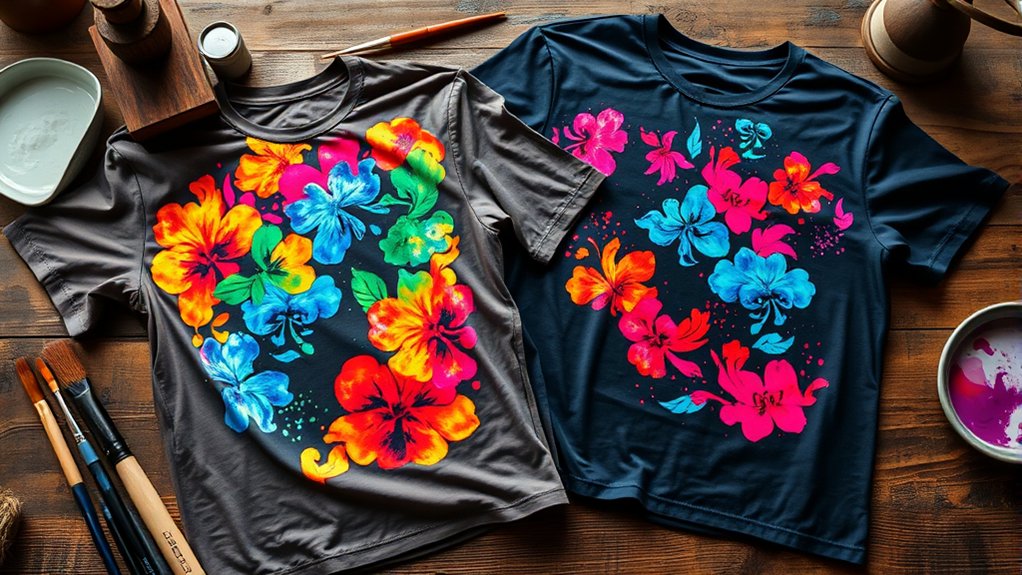
What factors matter most to you when deciding between infusible ink and screen printing? Pinpoint your project’s complexity and application scenarios first. Infusible ink excels in detailed, small-batch designs on polyester, while screen printing suits large runs and bold colors on various fabrics.
| Factor | Infusible Ink |
|---|---|
| Best for | Intricate, small-batch projects |
| Fabric type | Polyester or polymer-coated |
| Color vibrancy | High, permanent |
| Setup complexity | Low to moderate |
Weigh your project’s scale and detail needs. If vibrant, lasting prints on polyester are key, infusible ink’s your choice. For bulk production, diverse fabrics, and simpler designs, screen printing shines. Match method to your vision and workflow for stellar results.
Frequently Asked Questions
Can Infusible Ink Be Used for Multi-Color Gradient Designs?
You can create stunning multi-color gradient designs with Infusible Ink by mastering gradient techniques and ink blending. With precise layering and heat, your colors seamlessly flow, crafting vibrant, smooth shifts that bring your artwork to life.
Is Screen Printing Environmentally Friendly Compared to Infusible Ink?
You’ll find screen printing eco friendly when it uses sustainable materials and eco friendly inks, crafting vibrant designs without waste. It’s a colorful dance of nature and art, minimizing harm while maximizing impact on fabric.
How Long Does It Take to Complete a Screen Printing Project?
You’ll typically spend a day or two on your screen printing project timeline. Screen preparation alone takes hours: coating, exposing, washing. This happens before you even start layering vibrant inks and watching your design come alive stroke by stroke.
Can Infusible Ink Be Used on Dark-Colored Fabrics?
You can’t use Infusible Ink on dark-colored fabrics because its magic relies on fabric compatibility. Only light, polyester-rich materials let the ink’s vibrant colors truly shine through, creating that seamless, vivid design you want.
What Equipment Is Essential for Beginners in Screen Printing?
You’ll need screen printing basics like a mesh screen, squeegee, ink, and a sturdy frame. Don’t forget a light source for exposure and stencil materials. These essential tools turn your creative ideas into vibrant prints effortlessly.
Conclusion
Choosing between infusible ink and screen printing is like picking the right paintbrush for your masterpiece. Imagine your favorite T-shirt—infusible ink melts into the fabric, creating a vibrant, permanent tattoo, while screen printing lays a bold, textured stroke on top.
If you want lasting brilliance without cracks, infusible ink’s your go-to. But for thick, vivid layers, screen printing shines.
Think about your project’s fabric, budget, and vibe—it’s your art to create. In the end, deciding between infusible ink vs screen printing depends on the look and feel you want to achieve.