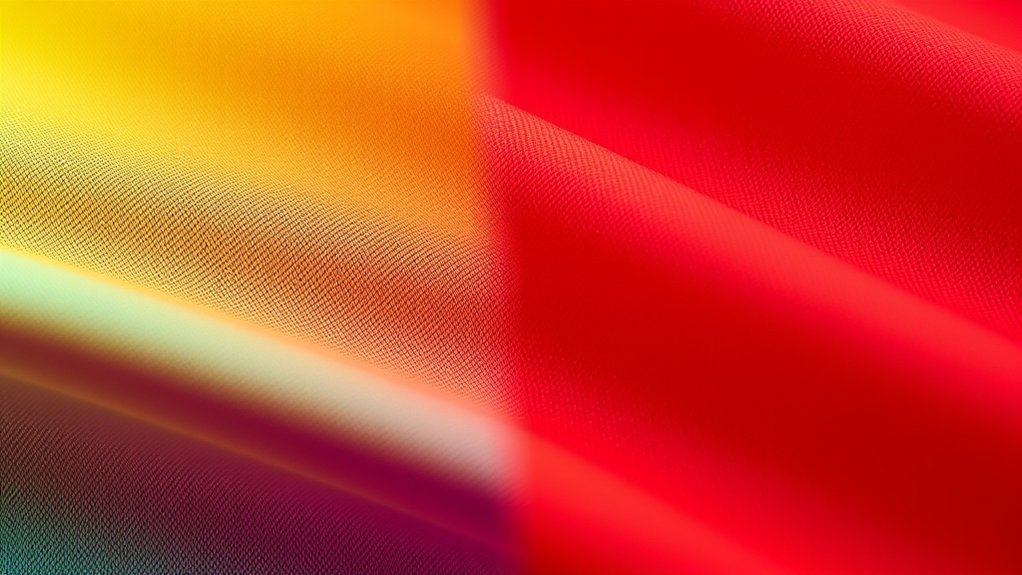

Dye sublimation vs screen printing is a common comparison when choosing the best printing method for your project.
If you want vivid, smooth designs that soak into polyester and won’t fade or crack, dye sublimation is your go-to—perfect for intricate, full-color prints that feel like part of the fabric.
But if you’re after bold, textured designs that pop on cotton or blends, screen printing delivers durable, striking colors ideal for simpler graphics and large runs.
Both shine in different ways, and exploring their strengths can help you nail your next project just right.
Key Takeaways
- Dye sublimation infuses vibrant, detailed colors directly into polyester fabric, producing smooth, long-lasting prints ideal for intricate designs.
- Screen printing pushes ink through stencils onto cotton or blends, creating bold, textured prints best for simple, solid-color graphics.
- Dye sublimation offers superior color longevity and wash resistance, while screen printing may experience cracking or peeling over time.
- Setup costs for dye sublimation are higher due to specialized equipment, whereas screen printing requires lower upfront investment but more manual labor.
- Dye sublimation suits full-color, photographic apparel on polyester, while screen printing excels in large runs of logos or text-heavy designs on cotton.
How Dye Sublimation and Screen Printing Work
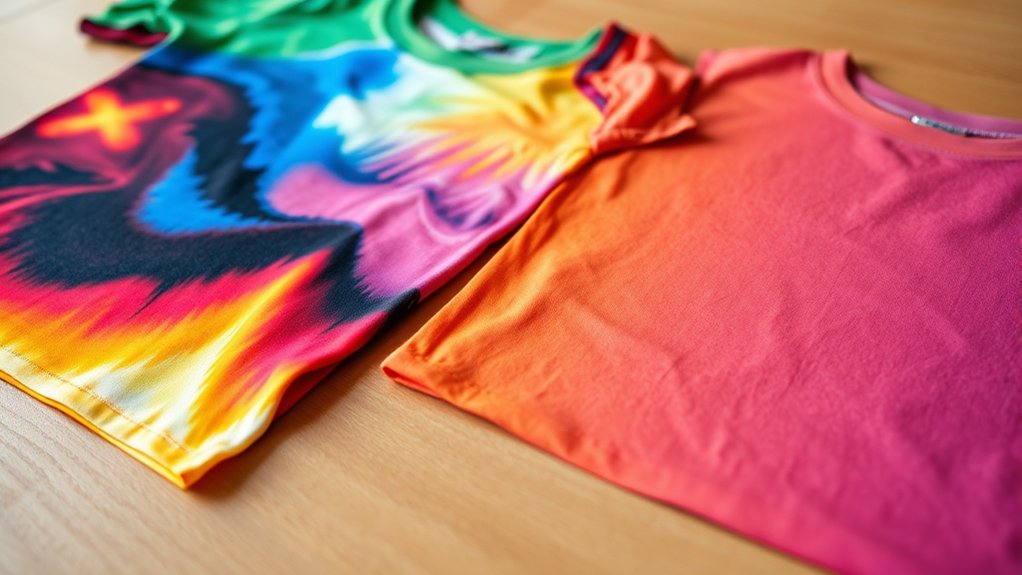
Although both dye sublimation and screen printing transform plain fabrics into vibrant canvases, they achieve their magic through very different processes that you can almost see in action. In dye sublimation, the dye process involves turning solid dye into a gas without passing through a liquid state, allowing pigments to deeply penetrate synthetic fibers.
You’ll watch as heat and pressure infuse colors directly into the fabric, resulting in vivid, long-lasting prints. Screen printing, on the other hand, uses a stencil and mesh screen to push ink through, layering colors meticulously.
Each printing technique offers a tactile experience: dye sublimation feels smooth and embedded, while screen printing creates a slightly raised, textured surface. Both methods transform your fabric, but the way they imprint color is uniquely mesmerizing.
Best Fabrics for Dye Sublimation and Screen Printing
When you choose a fabric for dye sublimation or screen printing, the material’s composition becomes your canvas’s secret weapon. Different fabric types respond uniquely to each printing technique, influencing vibrancy, durability, and texture.
Dye sublimation thrives on polyester, absorbing inks into fibers for vivid, lasting prints. Screen printing shines on cotton, allowing ink layers to sit atop for bold, tactile designs. Blends and synthetics offer mixed results, so you’ll want to pick carefully.
| Fabric Type | Best for Dye Sublimation | Best for Screen Printing |
|---|---|---|
| 100% Polyester | Yes | No |
| 100% Cotton | No | Yes |
| Poly-Cotton | Partial | Yes |
| Nylon | Yes | No |
| Rayon | No | Yes |
Choose fabrics to match your printing technique for stunning results.
How to Decide Between Dye Sublimation and Screen Printing
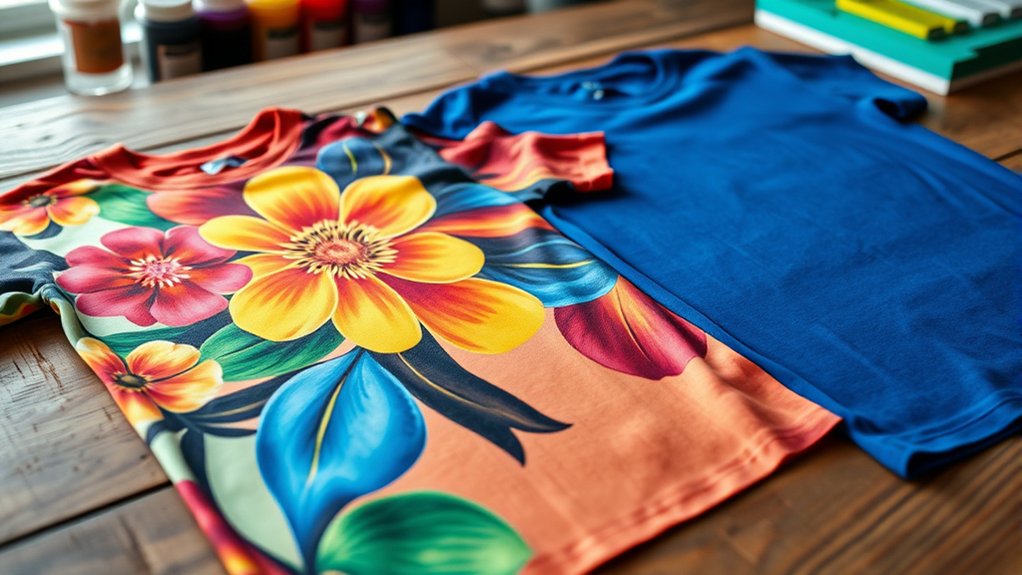
Picking the right fabric sets the stage, but choosing between dye sublimation and screen printing shapes your entire design’s story. Start by evaluating your design considerations: if your artwork bursts with intricate details and gradients, dye sublimation brings those visuals to life with seamless precision.
On the other hand, if your design uses fewer colors and bold shapes, screen printing offers crisp, vibrant results. Next, consider the project scale. Dye sublimation suits small to medium runs with complex designs, while screen printing shines in large quantities due to its cost-effectiveness.
Also, think about fabric compatibility; sublimation loves polyester, while screen printing adapts to various textiles. By weighing these factors carefully, you’ll confidently pick the technique that elevates your design and fits your project’s unique demands.
Color Quality and Vibrancy Compared
You want your designs to pop with authentic colors that last, right? Notice how dye sublimation often delivers sharper details and richer vibrancy, while screen printing can offer bold, accurate hues that stand the test of time.
Let’s explore how each method handles color accuracy, vibrancy longevity, and the crispness of your prints.
Color Accuracy Differences
How vividly do you want your colors to pop on fabric? Dye sublimation offers a seamless color matching experience, thanks to its ability to infuse ink directly into polyester fibers. This process taps into a broad color gamut, capturing intricate shades and gradients with photographic precision.
Screen printing, by contrast, relies on layering inks, which can limit the color gamut and make exact color matching trickier, especially with complex designs. You’ll notice that dye sublimation excels at rendering subtle hues and smooth shifts, while screen printing shines in bold, solid colors but may struggle with fine details.
Vibrancy Longevity Comparison
Although both dye sublimation and screen printing start with vibrant colors, their ability to maintain that brilliance over time can vary considerably. When you choose dye sublimation, the ink fuses directly into the fabric fibers, preserving intense color saturation without altering the print texture.
This means your design stays vivid and smooth, resisting fading even after multiple washes. On the other hand, screen printing lays ink atop the fabric, creating a slightly raised print texture that can crack or peel with wear.
While screen printing often delivers bold vibrancy initially, its surface-level ink is more vulnerable to fading and wear over time. So, if you want long-lasting, deeply saturated colors that blend seamlessly into the fabric, dye sublimation often holds the edge in vibrancy longevity.
Print Detail Sharpness
Two key factors define print detail sharpness: the crispness of edges and the clarity of color shifts. When you choose dye sublimation, you get stunning print resolution that immerses ink into fabric fibers, creating smooth gradients and fine details with seamless image clarity.
Colors flow naturally, avoiding harsh lines or pixelation. On the other hand, screen printing relies on layered inks, which can produce bold, vivid colors but sometimes sacrifices the subtlety of fine lines or small text.
If your design demands intricate patterns or photo-realistic effects, dye sublimation’s precision will amaze you. However, for bold logos and simple graphics, screen printing still delivers strong, clean edges.
Ultimately, your choice hinges on how much you value ultra-fine detail versus robust, punchy visuals.
Durability and Washability: Which Lasts Longer?
You want your design to stay sharp and vibrant, even after countless wash cycles. But how do dye sublimation and screen printing hold up when faced with the wear and tear of everyday laundering?
Let’s explore which method keeps your artwork looking fresh for the long haul.
Print Longevity Comparison
When you choose a printing method, durability and washability quickly become top priorities because no one wants a design that fades or cracks after a few washes. Dye sublimation excels in print lifespan by infusing ink directly into the fabric fibers, resulting in vibrant colors that resist fading even after countless wears.
On the other hand, screen printing deposits layers of ink on the surface, which can crack or peel over time, especially with heavy use. If you’re aiming for a design that stays sharp and colorful, dye sublimation’s superior fading resistance gives it an edge.
However, screen printing still holds strong for bold, durable prints on thicker fabrics. Ultimately, understanding the print longevity will help you pick a method that suits your garment’s purpose and lifespan expectations perfectly.
Wash Cycle Impact
Although both dye sublimation and screen printing promise vibrant designs, the true test lies in how they endure the relentless cycles of washing. You’ll notice that wash cycle effects reveal dye sublimation’s colors deeply embedded within the fabric, making them resistant to fading or cracking.
Screen printing, however, sits atop the fabric and can peel or fade faster if not cared for properly. Your fabric care routine impacts longevity; gentle cycles and cold water extend both prints’ lives but matter more for screen printing.
Here’s a quick comparison:
| Aspect | Dye Sublimation |
|---|---|
| Wash Cycle Effects | Colors remain vivid, no cracking |
| Fabric Care | Tolerant of regular wash cycles |
| Durability | High, embedded dyes |
| Best Washing Method | Cold, gentle cycle |
| Longevity | Lasts through many washes |
Choose based on how you handle fabric care.
Cost and Setup of Dye Sublimation vs Screen Printing
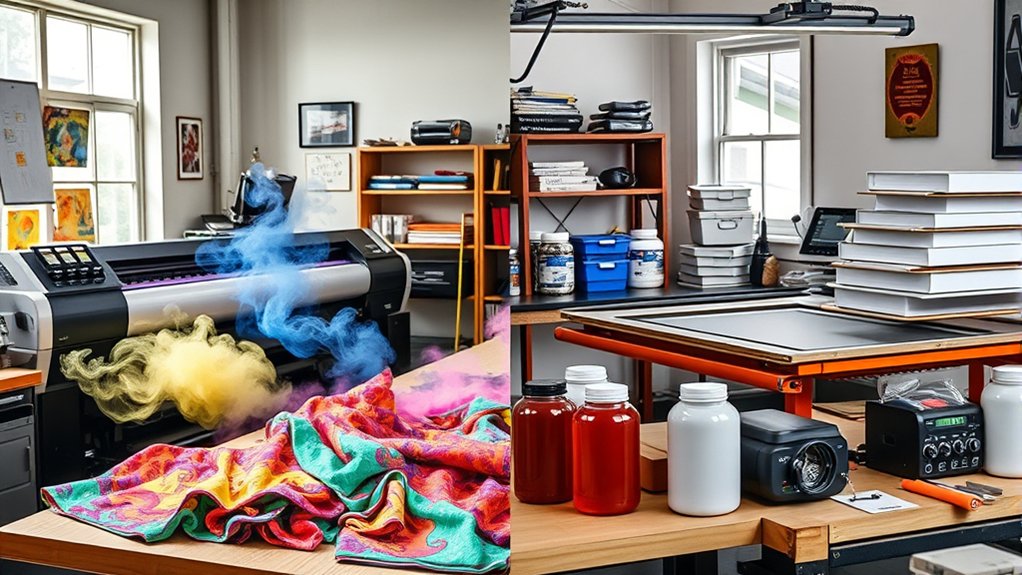
Because setting up your printing process involves both time and money, understanding the cost and setup differences between dye sublimation and screen printing becomes essential. Dye sublimation demands a higher initial investment. Specialized printers, heat presses, and sublimation inks add up quickly. However, its material costs stay relatively low once you’re rolling, especially for complex, full-color designs on polyester fabrics.
Screen printing, meanwhile, requires less upfront cash but involves creating separate screens for each color, which can be time-consuming and add to material costs over multiple runs. You’ll also need inks, emulsions, and cleaning supplies. Visualize a factory floor: dye sublimation setups look sleek, compact, and digital, while screen printing stations bustle with manual labor, racks of screens, and vats of ink.
Your choice hinges on balancing that initial investment against ongoing material costs and production speed.
Ideal Projects for Dye Sublimation and Screen Printing
Picking the right printing method depends largely on the project’s demands and your creative vision. If you’re aiming to create vibrant, full-color custom apparel with intricate designs or photographic prints, dye sublimation is your go-to.
It infuses ink directly into polyester fabrics, making shirts, sportswear, or promotional items feel soft and breathable without cracking or fading. On the other hand, screen printing excels when you need bold, solid colors on cotton or blends.
Perfect for large batches of logos or text-heavy designs on custom apparel or promotional items, it’s ideal for simple, durable prints with sharp lines. By matching your project’s material and design complexity with these methods, you guarantee your creations pop exactly how you envision them.
Equipment and Skill Needed for Each Method
When you immerse yourself in dye sublimation or screen printing, the equipment and skills you’ll need vary considerably, shaping your workflow and final results. Dye sublimation demands a specialized printer, heat press, and sublimation inks. Equipment costs can be steep upfront. You’ll need moderate skill levels to manage color calibration and temperature control for vibrant, lasting prints.
Screen printing, on the other hand, requires screens, squeegees, inks, and a press. While initial equipment costs might be lower, mastering multi-color layering and stencil preparation calls for higher skill levels and patience. With screen printing, your hands-on craftsmanship directly impacts the design’s sharpness, while dye sublimation offers smoother gradients with less manual finesse. Choosing between them means weighing your budget against the expertise you’re ready to develop.
Frequently Asked Questions
Can Dye Sublimation Be Used on Dark Fabrics?
You can’t use dye sublimation on dark fabrics because dye sublimation limitations mean it works best on light polyester. Its fabric color compatibility restricts vibrant prints on dark colors, so your designs might not pop as you hope.
Is Screen Printing Eco-Friendly?
You’re planting a garden, nurturing eco friendly materials and sustainable practices with every print.
Screen printing can be eco-friendly if you choose water-based inks and responsible methods, turning art into a green, vibrant bloom.
How Long Does the Dye Sublimation Process Take?
You’ll find the dye process impressively swift; printing speed depends on design complexity but generally takes just minutes. The vibrant colors transfer seamlessly, making your custom prints pop quickly without sacrificing vivid detail or quality.
Can Screen Printing Handle Complex Designs?
You can handle complex artwork with screen printing, but design limitations may blur fine details or color gradients. It’s perfect for bold, vivid visuals, yet intricate designs might need simplifying to maintain crispness and clarity.
Are There Health Risks With Ink Exposure in Screen Printing?
Ink safety isn’t a ticking time bomb if you follow health regulations carefully. You’ll want to wear protective gear and work in ventilated spaces to keep ink exposure from sneaking under your skin and causing harm.
Conclusion
Choosing between dye sublimation and screen printing is like picking paint for your masterpiece—each stroke brings a different texture and life. Imagine your favorite T-shirt, vibrant after 50 washes—that’s dye sublimation’s magic, embedding color into the fabric’s soul.
But for bold, thick prints, screen printing stands like a fortress, durable and striking. Its layers of ink create a tactile feel that truly pops on garments.
Knowing your project’s needs lets you paint with precision, turning fabric into art that lasts. In the end, understanding the strengths of dye sublimation vs screen printing ensures you choose the perfect method for your creative vision.