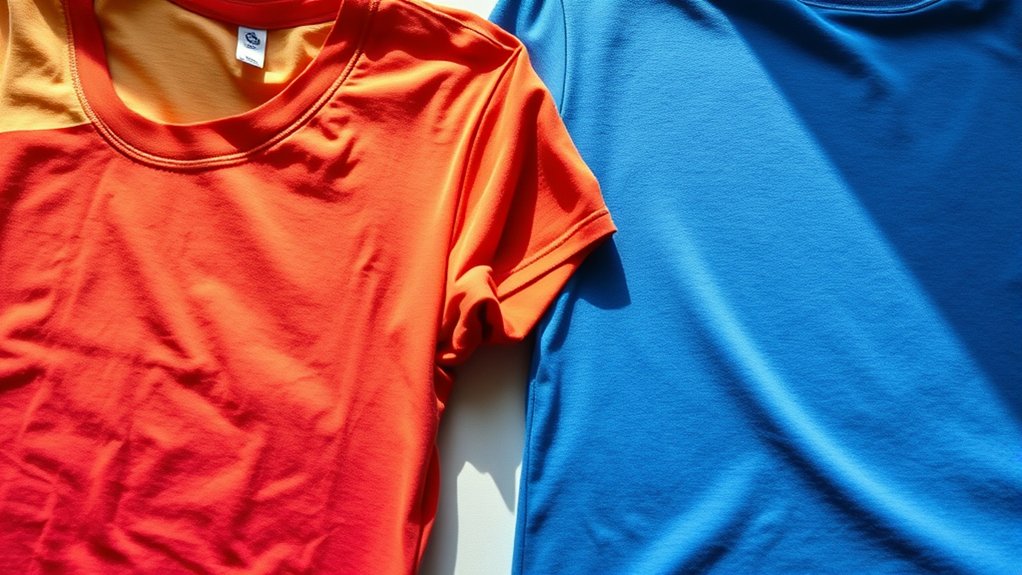

Silk screen printing vs sublimation is a key comparison in the world of fabric printing techniques.
Silk screen printing pushes thick, opaque inks onto cotton, delivering bold, vibrant colors perfect for simple, solid designs on dark fabrics.
Sublimation infuses dye into polyester fibers, creating smooth, permanent prints with fine detail and photographic quality on light-colored synthetic fabrics.
Screen printing suits large runs due to higher setup costs, while sublimation offers quick, cost-effective small batches with brilliant, lasting colors.
Keep going to explore which method fits your project and fabric best.
Key Takeaways
- Silk screen printing uses thick, opaque inks ideal for bold designs and dark fabrics, while sublimation dyes polyester fibers for smooth, detailed prints on light fabrics.
- Sublimation excels in full-color, photographic-quality prints with smooth gradients; silk screen printing is best for simple, solid-color graphics.
- Sublimation prints resist fading and bond permanently with polyester, whereas screen prints are durable but may crack or fade after many washes.
- Silk screen printing is more cost-effective for large production runs due to higher setup costs; sublimation suits small runs with minimal setup and customization.
- Material compatibility is crucial: silk screen works best on cotton and blends, while sublimation requires polyester or polymer-coated surfaces for optimal results.
Screen Printing Vs Sublimation: Overview And Key Differences
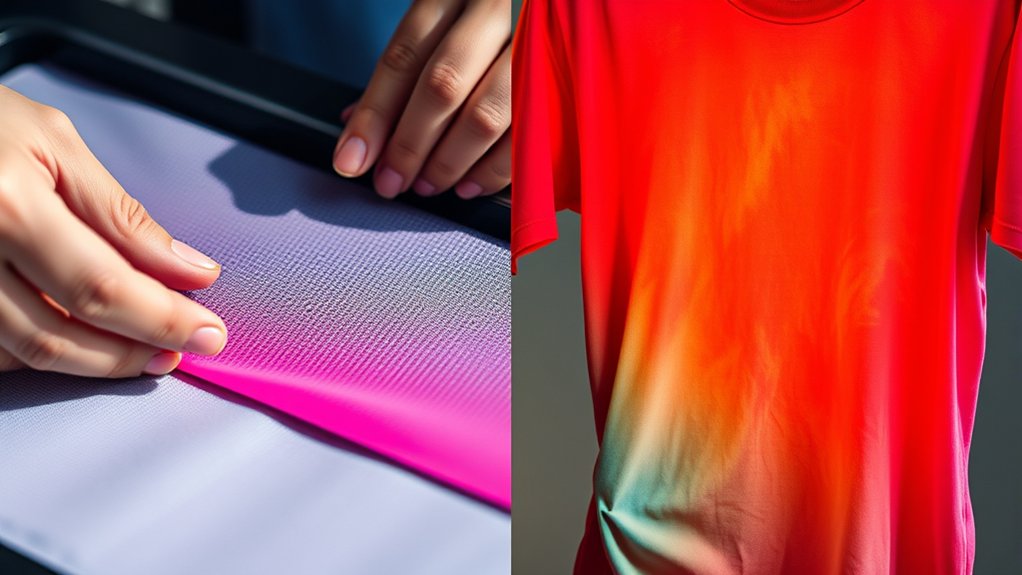
Although both screen printing and sublimation produce vibrant designs, they use fundamentally different methods that impact your project’s durability, color range, and fabric compatibility. With screen printing advantages, you get thick, opaque inks that sit atop the fabric, ensuring strong color pop and long-lasting wear, especially on darker textiles. This method excels in producing vivid, solid colors with excellent opacity.
On the other hand, sublimation benefits include dye-infusing inks that bond with polyester fibers, creating smooth, permanent prints that won’t crack or peel. Sublimation offers an extended color gamut and photorealistic detail but only works on light-colored, polyester-based materials. Understanding these distinctions helps you select the right technique tailored to your design’s fabric type, color demands, and durability requirements.
How Screen Printing And Sublimation Work: Processes And Best Uses
When you choose screen printing, you push ink through a mesh stencil onto fabric, layer by layer, building vibrant, durable designs ideal for bold graphics and simple color schemes. Sublimation, on the other hand, uses heat to transfer dye-based inks into polyester fibers, embedding the design permanently.
Each method suits different design techniques and ink types.
Each printing method pairs uniquely with specific design styles and ink formulations for optimal results.
Screen printing works best for:
- Solid color blocks and limited palettes
- Thick, opaque ink layers
- Durable prints on cotton and blends
- Large volume runs for cost-efficiency
- Simple, bold logos and text
Sublimation excels with:
- Full-color photographic prints
- Complex gradients and fine details
- Polyester or polymer-coated substrates
- Lightweight, breathable fabrics
- Permanent, non-cracking designs
Choose based on fabric type and design complexity for best results.
Comparing Print Quality And Color Options
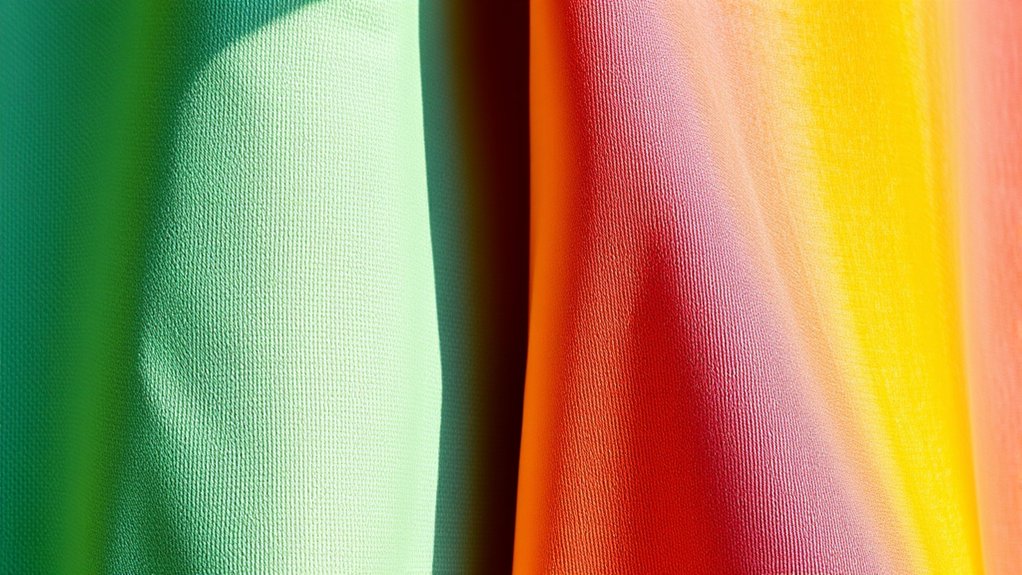
You’ll notice sublimation offers higher print resolution with crisp, detailed images, while screen printing excels in bold, vibrant colors. When it comes to color vibrancy, screen printing uses thicker ink layers that stand out on darker fabrics, but sublimation provides smooth gradients on lighter materials.
Consider durability too. Sublimation’s dye infusion resists fading longer, whereas screen printing’s ink layers may crack or peel over time.
Print Resolution Differences
Because print resolution directly impacts the sharpness and vibrancy of your final product, understanding the differences between silk screen printing and sublimation is essential. Print resolution determines image clarity, affecting how detailed and crisp your design appears.
- Silk screen printing typically offers lower print resolution, ideal for bold, simple designs.
- Sublimation excels with high print resolution, capturing intricate details and gradients.
- Silk screen uses stencils limiting fine line precision and subtle shading.
- Sublimation prints dye directly into fabric fibers, enhancing image clarity on polyester.
- Sublimation supports continuous-tone prints, while silk screen relies on layering ink.
When you need fine details and smooth gradients, sublimation delivers superior print resolution. For solid colors and durability, silk screen remains reliable but less precise in image clarity. Choose based on your design’s resolution needs.
Color Vibrancy Comparison
Print resolution sets the stage for how colors will appear on your final product, but the vibrancy and range of those colors depend heavily on the printing method itself. Silk screen printing delivers intense color saturation, especially on darker fabrics, by layering thick ink that creates bold, opaque hues.
However, its strength lies in simpler designs with limited colors; as design complexity increases, maintaining sharp edges and consistent saturation becomes challenging. Sublimation, on the other hand, infuses ink directly into polyester fibers, producing bright, vivid colors with smooth gradients and exceptional detail, ideal for complex, multicolor artwork.
While sublimation excels in color vibrancy on light backgrounds, silk screen printing’s tactile ink layer offers a distinct visual depth. Your choice depends on whether you prioritize saturated, bold colors or intricate, full-color designs.
Durability And Fade Resistance
Durability plays an essential role in how well your design withstands wear and washing over time. When comparing silk screen printing and sublimation, understanding fade longevity and wear resistance helps you choose the right method for lasting quality.
Silk screen printing offers high wear resistance with thick ink layers that endure abrasion.
Sublimation bonds ink directly into polyester fibers, ensuring excellent fade longevity without cracking or peeling.
Sublimation’s durability excels on synthetic fabrics but fades quickly on cotton.
Silk screen prints may crack or fade after repeated washes but perform better on diverse materials.
Both methods require proper care to maximize fade longevity and maintain vibrant colors.
Choose sublimation for superior fade resistance on polyester; opt for silk screen for versatile wear resistance on various textiles.
Best Materials For Screen Printing And Sublimation
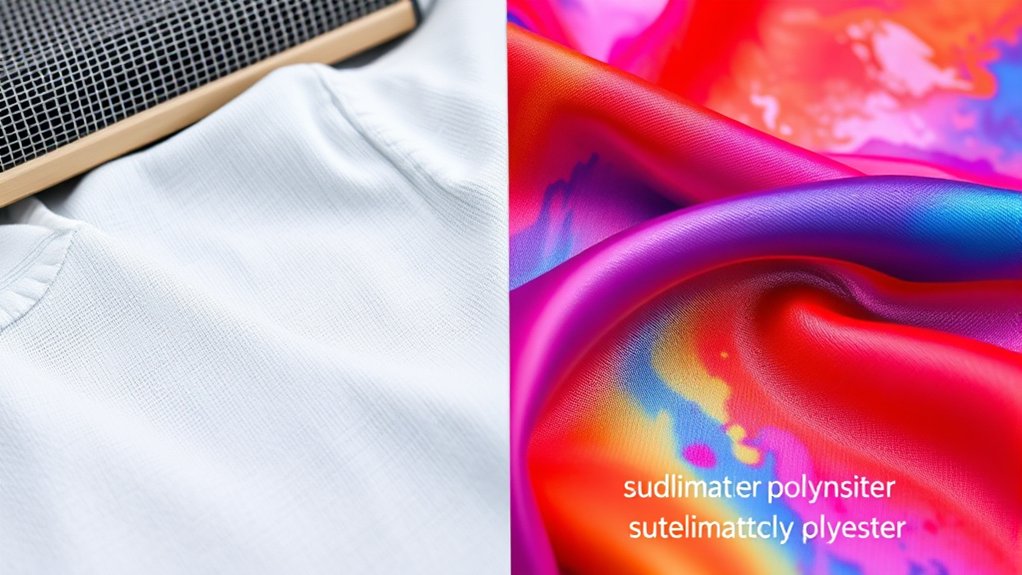
You’ll find screen printing works best on natural fibers like cotton, where ink sits atop the fabric for sharp, vibrant designs.
Sublimation, on the other hand, requires polyester or polymer-coated surfaces to bond ink directly into the material for a smooth, permanent finish. Choosing the right base material is key to maximizing print quality and durability.
Ideal Fabrics For Screenprinting
Fabric choice plays an essential role in achieving vibrant, long-lasting screen prints. When you focus on fabric selection, you guarantee peak ink adhesion and durability.
Screen printing works best on materials that provide a smooth surface and absorb ink well without bleeding or fading. Here are the ideal fabrics for screen printing:
- 100% Cotton: Offers excellent ink absorption and vibrant colors.
- Cotton-Polyester Blends: Balances softness with durability and reduces shrinkage.
- Polyester: Works well but may require special inks for better adhesion.
- Linen: Provides a unique texture but demands careful ink application.
- Canvas: Thick and durable, ideal for heavy-duty prints.
Choose fabrics that enhance your design’s clarity and longevity while matching your project’s needs.
Best Sublimation Surfaces
While screen printing thrives on natural and blended textiles, sublimation demands a different set of materials to achieve its signature vibrant, full-color results. You need suitable substrates, usually polyester or specially coated surfaces with sublimation coatings, to guarantee ink bonds effectively. Without these coatings, your designs won’t transfer properly.
Sublimation works best on white or light-colored materials to maintain color accuracy and vibrancy.
| Material Type | Sublimation Coating Required | Ideal Use |
|---|---|---|
| Polyester Fabric | Yes | Apparel, sportswear |
| Ceramic Mugs | Yes | Customized drinkware |
| Metal Sheets | Yes | Promotional products |
Choosing surfaces with proper sublimation coatings assures durability and sharp detail in your prints.
Cost And Setup: What To Expect For Each Method
Although both silk screen printing and sublimation deliver vibrant designs, their cost and setup requirements differ considerably. Understanding setup costs and equipment requirements helps you choose the right method for your project.
Silk screen printing demands higher setup costs due to stencil preparation and specialized equipment like screens, squeegees, and drying racks. It also requires bulk ink purchases for large runs and time-consuming setup for multi-color designs. This method is economical for mass production, less so for small batches.
Sublimation involves moderate initial investment in a heat press and sublimation printer. Its digital design workflow reduces setup time, and it requires minimal manual labor per print. This method is cost-effective for small runs and custom designs but requires polyester or coated substrates for best outcomes.
Choose based on your budget, volume, and material compatibility.
Which Printing Method Should You Choose? A Practical Guide
How do you decide between silk screen printing and sublimation for your project? Start by evaluating your printing applications. If you need vibrant, durable prints on polyester or light-colored fabrics, sublimation excels, offering full-color gradients with no texture.
For cotton or dark materials, silk screen printing delivers sharp, opaque colors ideal for bold designs with limited shades. Consider design considerations: complex, multi-color images favor sublimation’s digital precision; simple, high-contrast logos benefit from silk screen’s cost-effective setup.
Also, factor in production volume. Screen printing suits large batches due to setup costs, while sublimation works well for small runs or personalized items. By aligning your material choice, design complexity, and quantity with these technical strengths, you’ll choose the best method that balances quality, durability, and cost for your specific printing application.
Frequently Asked Questions
Can Sublimation Printing Be Used on Dark Fabrics?
You can’t use sublimation on dark fabrics due to sublimation limitations; it requires polyester or polymer-coated, light-colored materials for vibrant results.
Fabric compatibility is essential, so stick to light polyester blends for your designs.
How Durable Is Screen Printing After Multiple Washes?
You’ll think screen longevity defies time itself. Its wash resistance is stellar, preserving vivid prints after countless laundry cycles. The ink bonds deeply, resisting fading and cracking, ensuring your design stays sharp and vibrant through every wash.
Are Eco-Friendly Inks Available for Both Printing Methods?
Yes, you’ll find eco-friendly options for both methods. Screen printing uses water-based inks promoting ink sustainability, while sublimation relies on solvent-free dyes.
Both reduce environmental impact, letting you print with greener, cleaner processes effectively.
Can Sublimation Printing Be Done on Cotton Materials?
You can’t effectively sublimate cotton, due to sublimation limitations; over 90% of dyes bond with polyester fibers. For cotton compatibility, consider polyester blends or alternative printing methods for vibrant, durable designs on cotton fabrics.
What Is the Typical Turnaround Time for Each Printing Method?
You’ll find sublimation offers quicker turnaround efficiency, often completing production timelines within 1-3 days.
Silk screen printing takes longer, usually 5-10 days, due to setup and drying, affecting overall turnaround efficiency.
Conclusion
Choosing between screen printing and sublimation depends on your project’s needs. Want vibrant, durable prints on polyester or hard surfaces? Sublimation’s your go-to. Need bold, opaque designs on cotton or darker fabrics? Screen printing shines there.
Both have unique strengths in color, texture, and cost. So, which method fits your vision and budget best? Understanding these differences helps you print smarter, not harder—making your designs truly stand out every time.
When deciding on the best approach, consider the advantages of silk screen printing vs sublimation to ensure your final product matches your expectations perfectly.