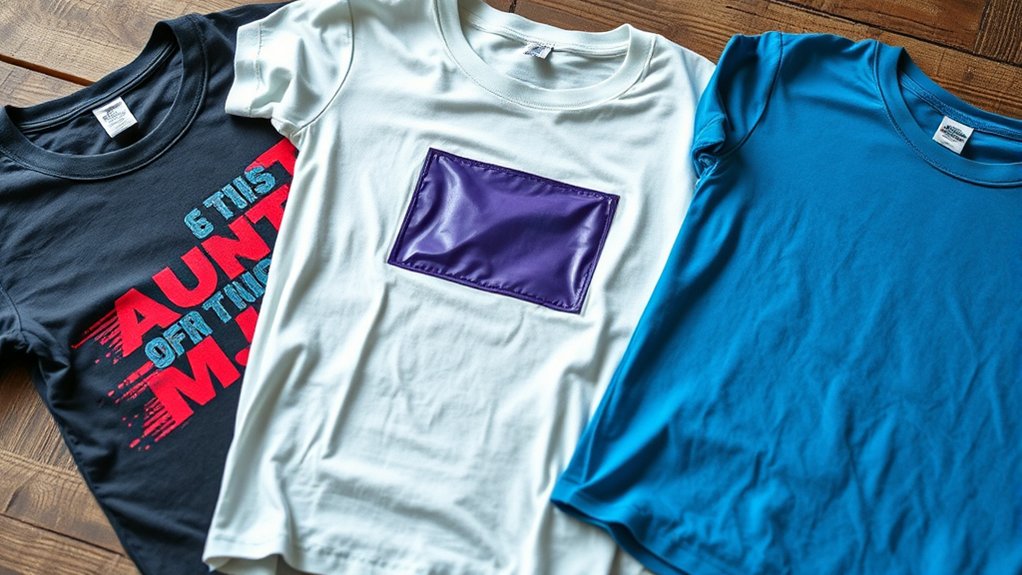

Screen printing, heat transfer, and sublimation are popular methods for creating custom designs on fabric, each with unique benefits.
If you want bold, vivid designs that last, screen printing pulls ink through mesh for thick, vibrant prints ideal on dark fabrics and large orders.
Heat transfer presses detailed images quickly but may peel after washes—great for small runs.
Sublimation infuses dye into polyester fibers, creating sharp, colorful prints that won’t fade but limits fabric choices.
Your perfect method depends on durability, fabric, and budget—stick around to uncover which one truly fits your project.
Key Takeaways
- Screen printing offers durable, vivid prints with excellent fade resistance, ideal for bulk orders and bold designs.
- Heat transfer provides quick, flexible printing suitable for small batches but may peel or crack after multiple washes.
- Sublimation produces vibrant, photo-realistic images embedded in polyester fibers but is limited to polyester materials.
- Setup costs are highest for screen printing and sublimation, while heat transfer has moderate initial expenses.
- Screen printing lowers per-unit costs at scale; heat transfer suits personalization; sublimation excels in complex, colorful designs.
How Screen Printing Works
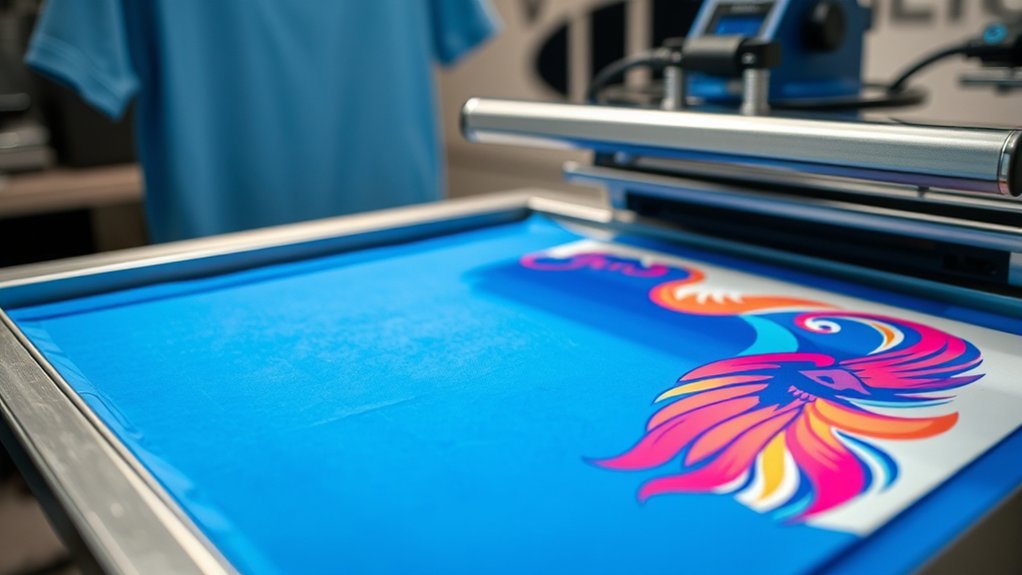
To get started with screen printing, you’ll first prepare a fine mesh screen stretched tight over a frame, almost like a delicate spider web ready to catch ink. You’ll use specialized mesh techniques to control ink flow, choosing between different thread counts that affect detail and opacity.
Next, you’ll apply a stencil on the screen, blocking areas where ink shouldn’t pass. Your ink selection is essential—it needs to suit your fabric and desired finish, whether vibrant plastisol or soft water-based.
When you pull the squeegee across the screen, ink presses through the open mesh sections, transferring the design onto your material beneath. This process, layer by layer, builds rich, durable prints with precise edges and vivid colors that stand out, making screen printing an art of balance and control.
How Heat Transfer Printing Works
Although heat transfer printing might seem straightforward, it hinges on precise timing and temperature control to embed your design perfectly onto fabric. You start by selecting the right transfer medium, usually a special paper or vinyl that holds your vibrant image.
Using specific application techniques, you align this medium carefully on the textile. Then, applying heat and pressure with a heat press, you activate adhesives or inks to bond the design with the fibers beneath.
The heat causes the transfer medium’s pigments to migrate or stick, creating a crisp, colorful image. Mastering the balance of heat, pressure, and duration is key; too much or too little can blur or peel your design.
Heat guides pigments to bond perfectly, but precise heat, pressure, and time keep your design sharp and lasting.
With these steps, heat transfer printing turns your art into wearable, lasting expression.
What Makes Sublimation Printing Unique?
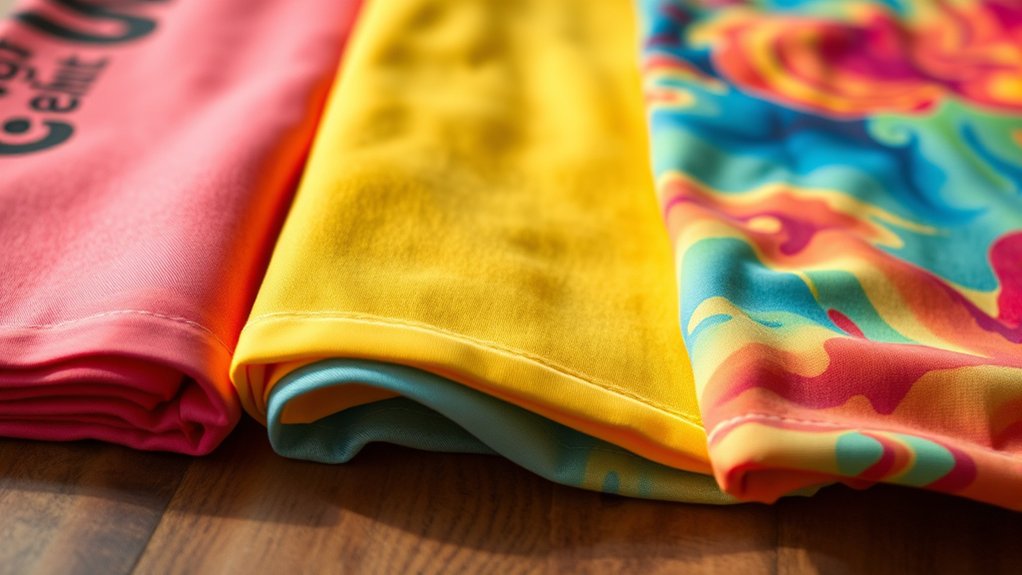
When you plunge into sublimation printing, you’ll notice it transforms your designs by turning solid ink directly into gas without passing through a liquid state. This process reveals sublimation benefits that set it apart from other methods. You get vibrant, permanent prints that soak deep into polyester fibers, not just sitting on the surface.
Here’s what makes sublimation special:
- Color brilliance and detail: Your designs appear sharp with seamless gradients and rich hues.
- Durability: Prints resist cracking or peeling because the dye bonds with the fabric itself.
- Unique applications: You can sublimate on hard surfaces like mugs or phone cases coated with polyester, expanding creative possibilities beyond textiles.
These features let you create vivid, long-lasting art in ways traditional printing can’t match.
Comparing Print Quality and Durability of Printing Methods
Sublimation’s vibrant, deep-penetrating colors set a high bar, but how do other printing methods hold up when it comes to print quality and durability? With screen printing, you get bold, crisp lines that pop on fabric, thanks to thick layers of ink sitting atop the material.
Its durability comparison often favors longevity. Screen prints resist fading and cracking over time. Heat transfer offers sharp, photo-like images, but its print quality may soften after multiple washes, and the transfer can peel.
Sublimation excels by infusing dye directly into fibers, creating smooth, long-lasting prints that won’t crack or fade. When you weigh these methods, sublimation leads in seamless vibrancy, screen printing in toughness, and heat transfer in detail, each bringing unique strengths to your garment’s look and lifespan.
How Fabric Type Affects Printing Method Choice
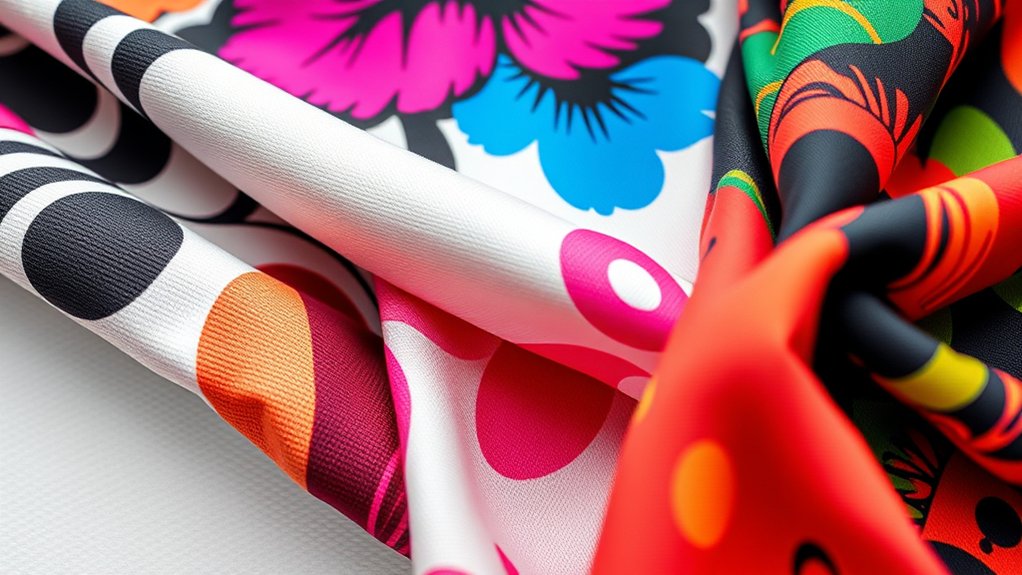
How do you choose the right printing method for your fabric? It boils down to fabric compatibility considerations and printing method flexibility. Each fabric type interacts differently with inks and heat, so knowing your material is key.
- Cotton and natural fibers: Screen printing thrives here, delivering vibrant, durable designs that soak into the fabric’s texture.
- Polyester and synthetic blends: Sublimation shines, embedding vivid, permanent colors that resist cracking or fading.
- Mixed fabrics: Heat transfer offers flexibility, adapting well to various blends but may vary in longevity and feel.
Which Printing Method Costs the Least?
You’ll want to watch how much you spend before the first print even hits the fabric. Those initial setup expenses can stack up quickly.
Then, as you crank out each shirt, the per-unit production costs sneak in, shaping your overall budget. Let’s unpack which method keeps your wallet happiest from start to finish.
Initial Setup Expenses
When you’re diving into the world of custom printing, understanding the initial setup expenses can save you a lot of surprises down the road. Each method demands a different level of initial investment considerations and equipment maintenance costs that directly impact your budget.
- Screen Printing requires purchasing screens, inks, and a press. Think of it as setting up an artist’s studio. The upfront cost is higher, and maintaining the screens adds to ongoing expenses.
- Heat Transfer machines come with moderate costs and simpler upkeep, making it friendly for startups. You’ll invest in transfer paper and a heat press.
- Sublimation demands specialized printers and inks, which can be pricey, but maintenance is relatively straightforward once you’re set up.
Knowing these details helps you pick a method that fits your initial budget and long-term goals.
Per-Unit Production Costs
Three key printing methods each bring distinct per-unit production costs that can make or break your profit margins. When you weigh screen printing, heat transfer, and sublimation, per unit pricing hinges on production efficiency and volume.
Screen printing shines with low per-unit costs on large runs, thanks to reusable screens. Heat transfer suits smaller batches but costs rise with each print. Sublimation offers vibrant, durable prints but demands higher per-unit expenses due to specialized inks.
| Method | Per Unit Pricing | Production Efficiency |
|---|---|---|
| Screen Printing | Low with large volume | High for bulk orders |
| Heat Transfer | Moderate, rises with volume | Flexible for small runs |
| Sublimation | Higher, specialized inks | Efficient but costly per unit |
Choose wisely to maximize your margins and meet your project’s scale.
Printing Methods for Small vs. Large Orders
Although each printing method shines in different scenarios, choosing the right one depends heavily on the size of your order. When handling small orders, you want flexibility without high setup costs. For large orders, efficiency and cost-per-unit matter most.
Choosing the right printing method hinges on your order size, balancing flexibility and cost-efficiency.
Here’s how to decide:
- Small orders: Heat transfer lets you print vibrant designs quickly without setup fuss, perfect for custom or limited runs.
- Medium orders: Sublimation offers rich, durable prints on polyester, balancing quality and volume smoothly.
- Large orders: Screen printing excels here. Its setup may take time, but once rolling, it churns out consistent, affordable prints fast.
Visualize your project’s scale and pick the method that aligns with your order size to get vibrant results without wasting time or money.
Choosing the Best Printing Method for Your Project
You’ll want to weigh how long your design needs to last against the vibrancy of the colors you crave. Think about whether a small batch or a bulk order fits your budget and timeline best.
Let’s explore which printing method matches your project’s unique blend of durability, color pop, and cost efficiency.
Durability and Longevity
When choosing the right printing method for your project, durability and longevity stand as crucial deciding factors. You want your design to withstand countless wash cycles without fading or cracking. Here’s how the options stack up:
- Screen Printing boasts exceptional fade resistance, passing rigorous washability tests with flying colors. Its thick ink layers bond tightly to fabric, ensuring your design stays vibrant.
- Heat Transfer offers decent durability but can peel or crack after repeated washes, especially if not applied perfectly.
- Sublimation infiltrates fabric fibers, creating a design that won’t fade or wear away. However, it only works on polyester, limiting your material choices.
Color Vibrancy Options
Because color vibrancy can make or break your design’s impact, understanding which printing method delivers the brightest, most vivid results is essential. Screen printing offers intense color saturation, layering thick inks that pop vividly on fabric. You’ll notice how rich, solid hues stand out, especially on darker garments.
Heat transfer provides decent color matching but sometimes falls short in achieving deep saturation, resulting in slightly muted tones. Sublimation excels at producing vibrant, photo-realistic images with seamless color blending, thanks to its dye infusion process, but works best on light polyester fabrics.
When precise color matching and bold saturation are your priorities, screen printing might be your go-to. However, if you want a full-spectrum, detailed design bursting with color, sublimation could deliver that mesmerizing vibrancy you’re after.
Cost and Volume Efficiency
Although choosing the right printing method depends on your design’s complexity, understanding how cost and volume efficiency impact your project can save you time and money. When you explore cost analysis and volume considerations, you’ll see how each method shapes your budget and workflow.
- Screen printing shines with large batches. Its setup costs are higher, but unit prices drop dramatically as volume rises.
- Heat transfer offers flexibility for small runs or personalized prints but can get pricey if you scale up.
- Sublimation delivers vibrant, durable prints best suited for polyester fabrics. It’s cost-effective for moderate volumes but less so for very small jobs.
Frequently Asked Questions
Can Screen Printing Be Used on Non-Fabric Materials?
You can definitely use screen printing on non-fabric surfaces; its versatile screen printing applications let you imprint vivid designs on glass, wood, metal, and plastic. This turns ordinary objects into eye-catching, customized masterpieces with vibrant, lasting colors.
Are Heat Transfer Prints Safe for Children’s Clothing?
You’ll find heat transfer safety suitable for children’s clothing when you choose non-toxic, phthalate-free inks. These prints stay vibrant, soft, and flexible, ensuring your little one’s outfits remain comfy and safe during every adventure.
Does Sublimation Printing Use Eco-Friendly Inks?
Yes, you’ll find sublimation ink types often include eco friendly alternatives like water-based dyes. These vibrant, chemical-light inks soak into fabrics, creating vivid, lasting prints without harsh waste, so you’re choosing a greener, cleaner process.
How Long Does It Take to Learn Each Printing Method?
Learning screen printing’s skill development feels like mastering a vintage typewriter, steady and tactile, taking weeks.
Heat transfer’s learning curve is quicker, like snapping Polaroids, while sublimation demands patience, blooming skill over months with vibrant precision.
Can These Printing Methods Be Combined on One Garment?
You can definitely combine mixed techniques on one garment, boosting design versatility. Imagine vibrant sublimation backgrounds paired with sharp screen-printed details and heat transfer accents. This creates a visually dynamic piece that pops with layered textures and colors.
Conclusion
When it’s time to bring your designs to life, each printing method offers its own kind of magic. Screen printing gives you bold, lasting colors; heat transfer adds vibrant versatility; and sublimation wraps your fabric in a seamless, dreamy finish.
Think of your project as a canvas—choose the technique that best paints your vision, balances your budget, and suits your fabric’s personality.
With the right pick, your creation won’t just be printed—it’ll be perfectly crafted to shine. When deciding between screen printing vs heat transfer vs sublimation, selecting the best method ensures your design truly stands out.