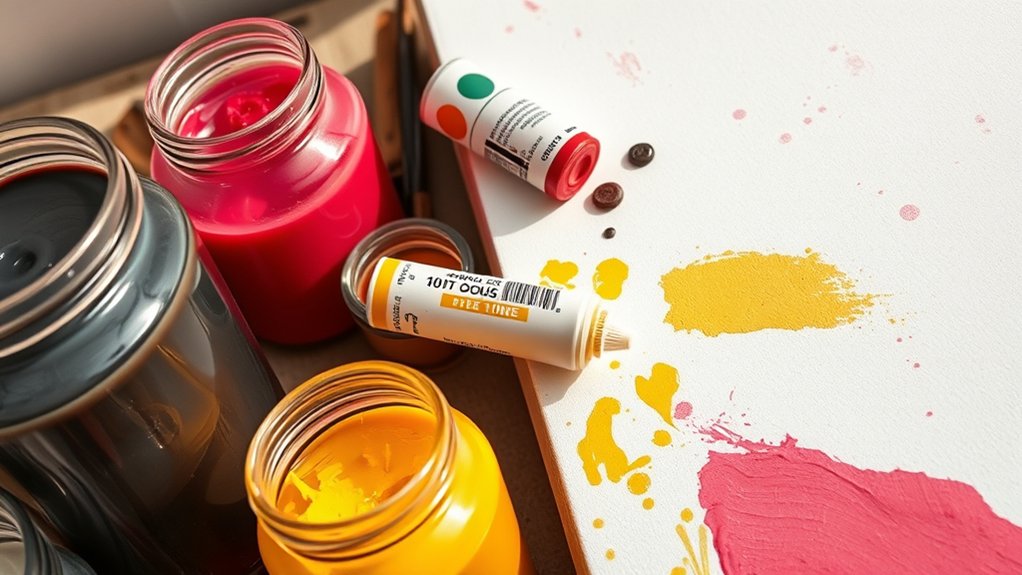

Screen printing ink vs acrylic paint is a key consideration when choosing materials for your art or fabric projects.
If you want sharp, vibrant, and long-lasting prints on fabrics or smooth surfaces, screen printing ink is your best bet—it resists cracking and washing well.
Acrylic paint works great for textured, layered art on canvas or wood but may fade or crack over time on fabric.
Screen printing requires specific tools and prep but shines in durability, while acrylic offers easy, flexible application with varied finishes.
Keep exploring to find which suits your project perfectly.
Key Takeaways
- Screen printing ink produces sharp, vibrant, and durable prints ideal for fabrics and paper, especially in bulk or detailed designs.
- Acrylic paint offers flexible application with texture and layering, suitable for canvas, wood, and mixed media projects.
- Screen printing ink resists fading, cracking, and peeling after heat curing, outperforming acrylic paint in washability and longevity.
- Acrylic paint allows varied finishes and color blending but may dull or crack on fabric without proper sealing.
- Screen printing requires specialized tools and higher setup costs, while acrylic paint is more affordable for small, experimental projects.
Which Projects Work Best With Screen Printing Ink Or Acrylic Paint?
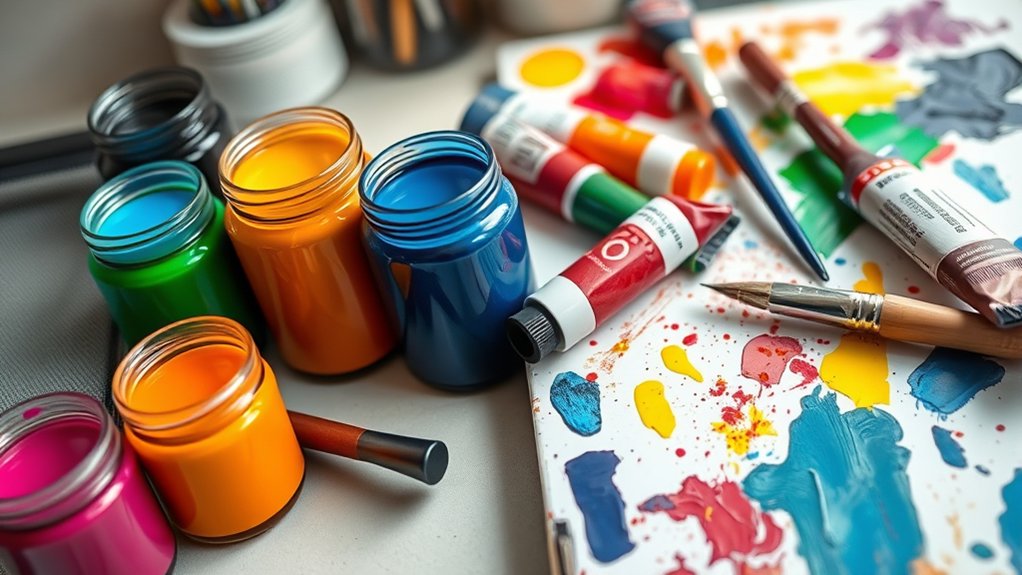
When should you choose screen printing ink over acrylic paint for your project? Opt for screen printing ink when your project demands sharp, consistent designs on fabric or paper. Its project suitability shines in producing vibrant, long-lasting prints, especially for bulk runs or detailed imagery.
You’ll appreciate the medium versatility of acrylic paint for projects requiring texture and layering, such as canvas art or mixed media. Acrylic paint lets you experiment with brush strokes and blending, giving you more freedom to create depth and dimension.
If you want crisp, repeatable patterns, screen printing ink is your go-to. But if your work benefits from tactile effects and color mixing, acrylic paint serves you better. Understanding these strengths helps you pick the perfect medium for your creative vision.
Material Differences Between Screen Printing Ink And Acrylic Paint
Choosing between screen printing ink and acrylic paint often comes down to their material makeup and how that impacts your final result. Screen printing ink features a thicker consistency with carefully controlled ink viscosity, designed to pass through mesh screens and adhere evenly to fabric or paper. Its material properties include pigments suspended in a binder that’s optimized for sharp lines and consistent coverage.
Acrylic paint, on the other hand, has a more fluid texture, allowing you to brush or pour it onto surfaces with ease. Its material properties emphasize flexibility and blendability, with pigments mixed in an acrylic polymer emulsion. Understanding these differences helps you pick the medium that matches your project’s needs for precision, texture, and application method.
How Durability And Washability Compare Between Ink And Paint
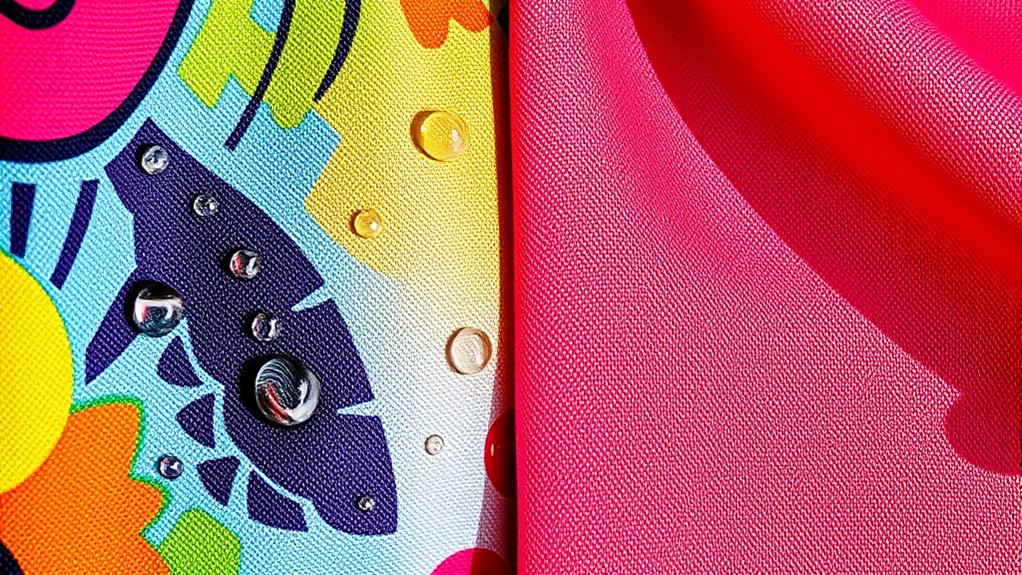
Although both screen printing ink and acrylic paint offer vibrant colors, their durability and washability differ considerably. When you assess durability factors, screen printing ink stands out for its resistance to cracking, fading, and peeling, especially after heat curing.
Acrylic paint, while flexible and quick-drying, tends to wear down faster on fabrics and may crack over time. Washability tests reveal that screen printing ink maintains color intensity and adhesion even after multiple washes, making it ideal for garments.
In contrast, acrylic paint often fades or flakes when exposed to frequent laundering, unless sealed properly. So, if longevity and repeated washing are priorities, screen printing ink generally outperforms acrylic paint in durability and washability. This distinction helps you choose the right medium based on your project’s needs.
What Tools And Techniques Work Best For Screen Printing Ink And Acrylic Paint?
You’ll need specific tools to get the best results with screen printing ink. Think screens, squeegees, and stencil materials. For acrylic paint, brushes, sponges, and palette knives help you create varied textures and effects. Keeping your tools clean right after use makes all the difference in maintaining sharp, vibrant prints and paintings.
Essential Screen Printing Tools
When working with screen printing ink or acrylic paint, having the right tools shapes your final print’s quality and ease. For screen printing, important tools include a sturdy frame with a fine mesh screen, a squeegee with a comfortable grip for even ink distribution, and a well-prepared stencil to define your design sharply.
You’ll also need a flat surface and proper drying racks to avoid smudges. Acrylic paint requires brushes or rollers designed for smooth application on fabric or paper, but when combined with screen printing, a screen and squeegee remain vital.
Using these essential tools guarantees clean lines, controlled ink flow, and consistent prints. Mastering tool choice and care lets you harness both screen printing ink and acrylic paint effectively, boosting your project’s precision and professional finish.
Acrylic Paint Application Techniques
Mastering three key tools, squeegees, brushes, and rollers, can transform how you apply screen printing ink and acrylic paint. For acrylic paint, brush techniques like stippling and dry brushing add texture and control, while smooth strokes create even coverage.
Rollers help spread paint quickly over large areas, ideal for base layers. When working with screen printing ink, squeegees push ink evenly through the mesh, ensuring sharp designs.
Layering methods differ too: with acrylics, you can build depth by letting layers dry between applications; with screen printing, you overlay colors precisely with separate screens. Understanding these tools and techniques lets you tailor your approach, achieving vibrant, clean results whether you’re painting freehand or printing detailed graphics.
Cleaning And Maintenance Tips
Although cleaning screen printing ink and acrylic paint requires different approaches, both demand prompt attention to prevent drying and clogging. Using the right cleaning techniques and maintenance tips keeps your tools in top shape.
- For screen printing ink, rinse screens immediately with water, then use a specialized screen cleaner or solvent to remove residue. Avoid letting ink dry on meshes.
- With acrylic paint, wipe brushes and palettes with water before paint dries, then wash with mild soap and warm water. Use a brush comb to maintain bristle shape.
- Store your tools properly. Dry screens flat and keep brushes upright in a jar to prevent damage.
These maintenance tips extend your tools’ life and guarantee consistent results every time you create.
How Color Vibrancy And Finish Vary Between The Two Mediums
You’ll notice screen printing ink delivers sharper, more vivid colors that pop on fabric or paper. Acrylic paint offers a range of finishes, from matte to glossy, depending on how you apply it.
Understanding these differences helps you choose the right medium for your desired look.
Color Brightness Comparison
Color brightness plays an essential role when choosing between screen printing ink and acrylic paint. You’ll notice distinct differences in color intensity and pigment concentration that impact your artwork’s vibrancy. Here’s what to evaluate:
- Screen Printing Ink: Offers high pigment concentration, resulting in bold, vivid colors that maintain brightness even after multiple washes.
- Acrylic Paint: Provides flexible color intensity, allowing you to layer and mix for custom brightness but may dull slightly when dry.
- Consistency: Screen printing ink delivers uniform brightness across prints, while acrylic paint’s brightness can vary based on application technique and surface texture.
Understanding these differences helps you select the medium that best preserves your desired color impact in your projects.
Surface Finish Differences
Beyond brightness, the surface finish plays a big role in how your artwork ultimately looks and feels. Screen printing ink offers consistent finish glossiness with a smooth, even surface texture. This results in sharp, vibrant colors that pop under light.
Acrylic paint, however, allows for more surface texture variations, from matte to glossy, depending on your technique and medium additives. You can create brush strokes, impasto effects, or flat finishes, giving your piece tactile depth.
While screen printing ink maintains flat, uniform glossiness, acrylic paint invites you to control the finish’s sheen and texture. Understanding these differences helps you choose the medium that matches your desired visual impact and tactile quality, whether you want sleek precision or expressive texture in your work.
Key Tips To Select The Right Medium For Your Project
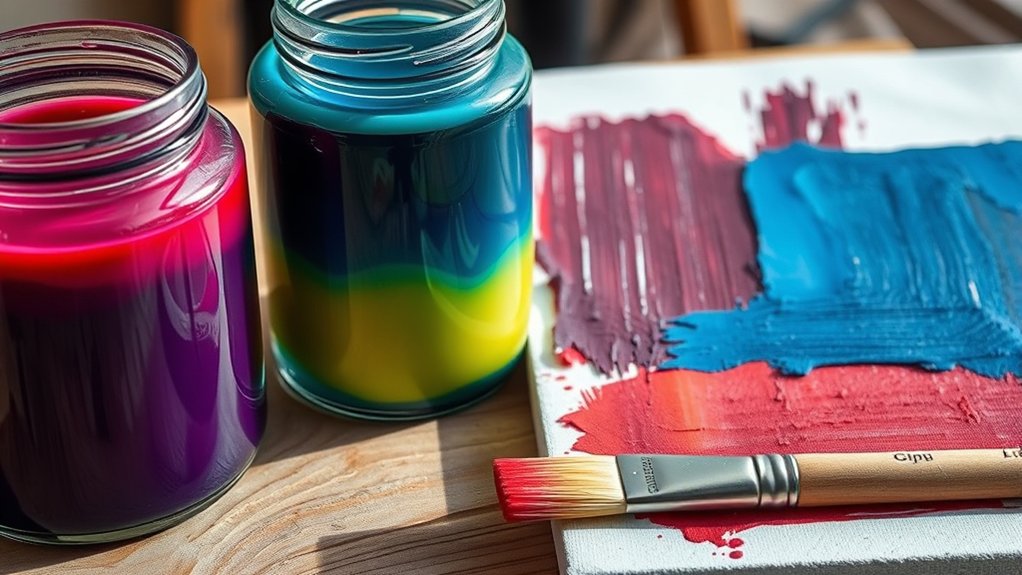
How do you choose between screen printing ink and acrylic paint for your project? Start by evaluating your project requirements and medium compatibility to guarantee the best results.
- Surface Type: Screen printing ink works best on fabrics and smooth surfaces, while acrylic paint adapts to canvas, wood, and varied textures.
- Durability Needs: For long-lasting, vibrant prints, screen printing ink resists fading and cracking. Acrylic paint offers flexibility but may require sealing for durability.
- Detail & Finish: Screen printing ink delivers sharp, consistent lines ideal for logos and patterns. Acrylic paint allows for blending and textural effects, perfect for artistic depth.
Frequently Asked Questions
Can Screen Printing Ink Be Mixed With Acrylic Paint?
You can mix screen printing ink with acrylic paint, but you’ll need careful mixing techniques to guarantee ink compatibility. Test small batches first to avoid texture or drying issues, achieving the precise finish you want.
Are Screen Printing Inks Safe for Skin Contact?
You might worry about skin safety, but most screen printing inks contain chemicals that can irritate. Check the ink composition carefully; some are formulated for skin contact, but many aren’t.
Always test or use skin-safe alternatives.
How Long Does Acrylic Paint Take to Dry on Fabric?
Acrylic paint drying on fabric usually takes 20-30 minutes to feel dry, but you should wait 24 hours before washing. For fabric paint applications, heat setting with an iron guarantees durability and vibrant, lasting results.
Can Screen Printing Ink Be Used on Glass Surfaces?
You’ll find 70% of artists prefer screen printing ink on glass due to its strong glass surface compatibility.
Just use proper ink adhesion techniques like baking or primers, and your designs will stay vibrant and durable.
What Is the Environmental Impact of Each Medium?
You’ll find screen printing inks often contain chemicals needing careful waste disposal, while acrylic paints offer more eco friendly options with water-based formulas.
Choosing eco friendly brands helps you reduce environmental impact effectively.
Conclusion
So, whether you pick screen printing ink or acrylic paint, remember—they both claim to be the “best” for your project. Ironically, your perfect choice depends on what you actually want: bold durability or easy versatility.
Don’t just guess; think about your fabric, tools, and how long you want your design to last. Because in the end, the “right” medium isn’t magic—it’s the one you know how to use.
When making your decision, keep in mind the strengths of screen printing ink versus acrylic paint to ensure your artwork stands out and endures as you intend.