
Screen print vs digital print quality is a key consideration when selecting the best printing method for your project.
When you choose screen printing, you get vibrant, durable colors with thick ink layers that resist fading and cracking. This method is perfect for bold designs on natural fibers.
Digital printing excels at capturing fine details and smooth color gradients, making it ideal for complex, full-color images on synthetic fabrics.
Your project’s fabric type, design intricacy, and order size all shape the best option.
If you want to optimize quality and cost, understanding these nuances reveals smarter printing choices.
Key Takeaways
- Screen printing delivers thicker ink layers, offering superior opacity, vibrancy, and durability on darker fabrics.
- Digital printing excels in detailed gradients and smooth color blends with pixel-level precision and rich color depth.
- Screen prints resist fading and cracking after multiple washes, maintaining sharpness longer than typical digital prints.
- Digital printing captures intricate design details and subtle shading, ideal for complex, multi-colored artwork.
- Material type influences quality: screen printing suits natural fibers, while digital printing works best on synthetics.
Screen Print Vs Digital Print: Quick Quality Overview
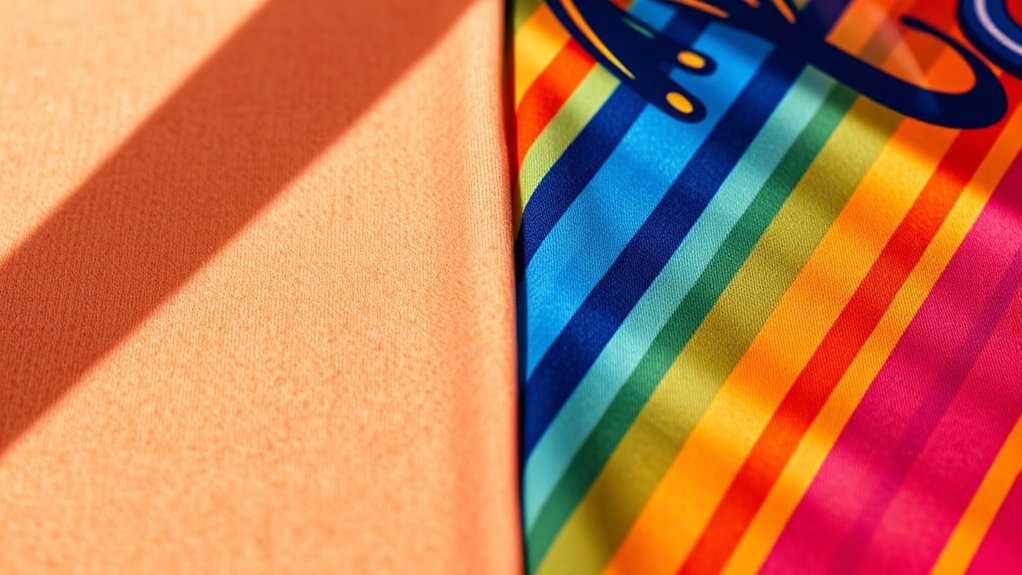
When comparing screen print and digital print quality, you’ll notice distinct strengths in each method that directly impact your final product. Screen printing relies on stencil-based print method layers, offering superior opacity and color vibrancy, especially on darker materials.
Digital printing, conversely, uses inkjet technology to apply fine droplets, excelling in detailed gradients and complex color blends. Quality factors such as resolution, color accuracy, and substrate compatibility vary between these techniques.
Screen printing’s durability often surpasses digital prints due to thicker ink deposits, while digital print provides quicker turnaround for intricate designs without setup constraints. Understanding these quality factors helps you choose the ideal print method tailored to your project’s visual and functional requirements, ensuring your final piece meets both aesthetic and performance standards.
How Screen Printing Delivers Vibrant, Long-Lasting Prints
You’ll notice screen printing’s ink delivers unmatched vibrancy and depth by saturating fabric fibers with thick, opaque layers. This technique guarantees prints remain durable, resisting fading and cracking even after repeated washes.
Plus, the tactile texture and finish add a distinctive quality that digital prints often can’t replicate.
Ink Vibrancy And Depth
Ink vibrancy and depth stand as defining qualities of screen printing, delivering colors that pop with intensity and durability. When you use screen printing, you benefit from superior ink saturation; the thick layers of ink penetrate the fabric, creating a rich, tactile finish that digital prints can’t replicate.
The pigment quality is vital here. Screen printing inks contain highly concentrated pigments that guarantee vivid hues and deep color saturation. This method lets you control the ink deposit precisely, enhancing the print’s vibrancy and dimensionality.
Unlike digital printing, which sprays thin ink layers, screen printing’s robust pigment load results in a striking depth of color that catches the eye. Ultimately, screen printing offers you a bold, vibrant print that stands out through its intense color saturation and superior pigment quality.
Durability Over Time
The intense vibrancy and depth achieved through screen printing don’t just catch your eye; they endure through countless washes and wear. This durability stems from superior ink adhesion. Screen printing deposits thicker layers of ink directly onto fabric fibers, creating a robust bond that resists cracking and peeling.
Unlike digital prints that sit atop the fabric and risk early degradation, screen-printed inks penetrate deeply, enhancing fading resistance even after repeated laundering. This method’s precision guarantees each color remains vivid over time, preserving your design’s integrity.
When you choose screen printing, you invest in prints that maintain their sharpness and brightness far longer, making it ideal for garments and products subjected to frequent use and washing.
Texture And Finish
Several factors combine to give screen printing its distinctive texture and finish, setting it apart from digital methods. When you use screen printing, the thick ink layers create a palpable texture impact that adds depth and vibrancy to your design.
Unlike digital prints that lay down thin ink layers, screen printing’s finish variation allows for a range of tactile effects, from smooth, glossy surfaces to slightly raised, textured finishes. This variability not only enhances visual appeal but also contributes to print longevity.
How Digital Printing Captures Detailed, Full-Color Images
Digital printing employs advanced technology that allows you to reproduce images with remarkable detail and vibrant full-color gradients. This precision stems from its ability to utilize color gradation techniques and high resolution capabilities effectively.
Digital printing delivers stunning detail and vibrant gradients through advanced color gradation and high-resolution technology.
When you opt for digital printing, you benefit from:
- Pixel-level precision: Each dot is placed with exactness, enabling smooth shifts and subtle shading impossible in traditional screen printing.
- Expanded color gamut: Digital printers mix inks to create millions of colors, capturing complex images without layering limitations.
- Dynamic image processing: Sophisticated software optimizes every image file, enhancing fine details and ensuring consistent quality across prints.
Comparing Color Accuracy and Durability of Both Methods
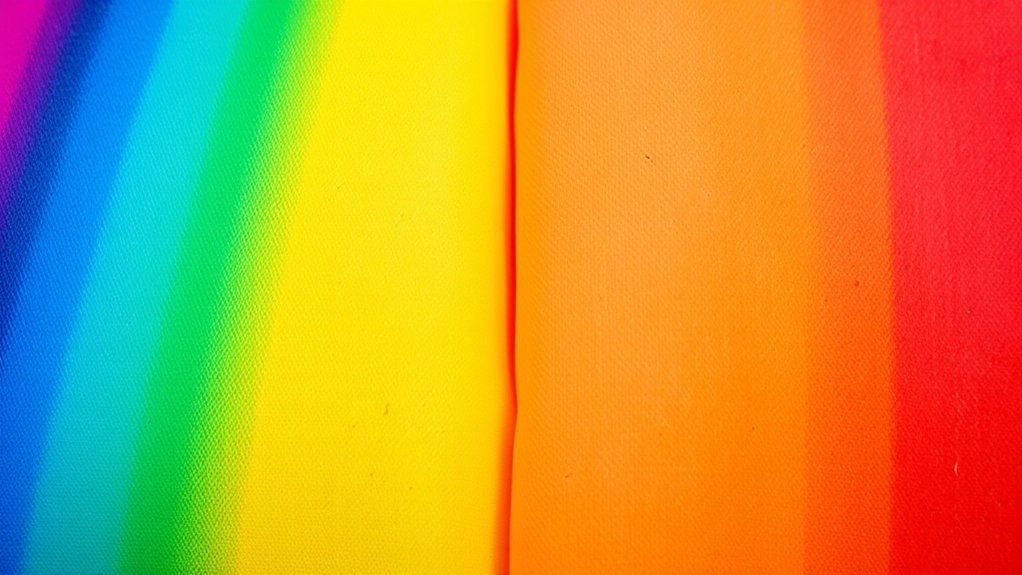
You’ll notice screen printing delivers exceptional color precision with vibrant, solid hues, while digital printing excels at subtle gradients and complex color blends.
When it comes to durability, screen prints generally withstand wear and washing better due to thicker ink layers. Let’s examine how these differences impact the longevity and visual fidelity of your prints over time.
Color Precision Comparison
Although both screen printing and digital printing deliver vibrant visuals, their approaches to color accuracy and durability differ greatly. When you evaluate color precision, consider these key factors:
- Color Matching: Screen printing uses spot colors with precise ink formulation, ensuring consistent, exact hues. Digital printing relies on CMYK layering, which may cause slight color variations between prints.
- Ink Formulation: Screen printing inks are thicker and more pigmented, producing saturated, sharp colors. Digital inks are thinner, allowing for smooth gradients but sometimes sacrificing vibrancy.
- Substrate Interaction: Screen printing inks adhere differently based on fabric type, often enhancing color depth. Digital inks penetrate fibers for detailed images but may result in less intense coloration.
Understanding these distinctions helps you choose the method that best meets your need for exact color reproduction and visual impact.
Longevity and Wear Resistance
Beyond color precision, how long those colors maintain their vibrancy under real-world conditions matters just as much. When you compare screen print and digital print, screen printing generally excels in fade resistance due to its thicker ink layers and robust curing processes.
This results in prints that withstand prolonged exposure to sunlight and repeated washing without significant color degradation. Digital prints, while offering excellent detail and color range, often show faster wear during rigorous wear testing, especially on fabrics subjected to friction.
However, advances in digital inks and protective coatings have improved their durability. Ultimately, if longevity and wear resistance top your priorities, screen printing tends to deliver superior performance, but for less intensive use, digital printing remains a viable, high-quality option.
How Cost and Order Size Affect Print Quality and Price
When you increase your order size, the cost per unit typically decreases, allowing you to allocate more budget toward higher-quality printing techniques. Understanding cost considerations alongside order quantities is essential for optimizing print quality and price.
Increasing order size lowers cost per unit, enabling investment in superior printing quality.
- Economies of Scale: Larger order quantities reduce setup costs per unit in screen printing, enabling more intricate designs without inflating costs.
- Digital Print Flexibility: Smaller runs suit digital prints, as they incur minimal setup fees, but unit price remains relatively constant regardless of quantity.
- Quality Investment: With bigger orders, you can invest in premium inks and finer mesh screens for screen printing, enhancing durability and vibrancy.
Balancing cost and order size guarantees you don’t compromise print quality while managing budgets effectively.
Best Printing Methods for Different Fabrics and Materials
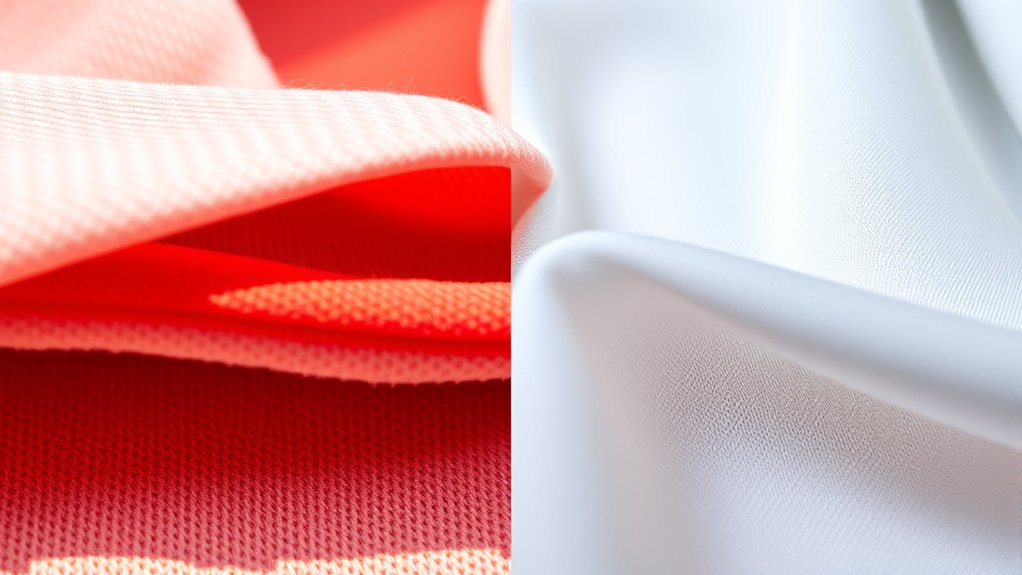
Which printing method suits your fabric best depends on the material’s texture, composition, and intended use. For natural fibers like cotton, screen printing excels due to its ink opacity and durability, ensuring vibrant colors with excellent fabric compatibility.
Synthetic materials such as polyester favor digital printing, which adheres well to polyester’s smooth surface and captures intricate details with precision. Blends require a balanced approach; here, material suitability guides your choice. Screen printing offers longevity, while digital printing provides flexibility for complex designs.
Delicate fabrics like silk demand gentle digital methods to avoid damage. Understanding these nuances helps you select a printing technique that maximizes print quality and fabric integrity, ensuring your design not only looks sharp but lasts through wear and wash cycles.
Choosing Between Screen Print and Digital Print for Your Project
Selecting the right printing method hinges on your project’s specific needs, from fabric type to design complexity and production volume. To decide between screen print and digital print, analyze your project requirements and target audience carefully.
- Design Detail: Choose digital print for intricate, multi-colored designs; screen print excels with bold, simple graphics.
- Quantity: Screen printing is cost-effective for large runs, while digital print suits small batches and prototypes.
- Material Compatibility: Screen printing often works better on varied fabrics; digital print is ideal for smooth, cotton-based textiles.
Frequently Asked Questions
What Environmental Impacts Do Screen Printing and Digital Printing Have?
You’ll find screen printing uses more water and energy, increasing resource consumption and hazardous ink disposal risks.
Digital printing, however, cuts waste and uses less ink, making it a greener choice with reduced environmental impact overall.
How Long Does Each Printing Process Typically Take?
You’ll find digital printing offers faster production timelines with minimal setup, ideal for quick turns. Screen printing demands longer setup efficiency, especially for multiple colors, but excels in bulk runs where setup time balances out over volume.
Can Screen Printing or Digital Printing Be Used for Non-Textile Items?
Like a versatile painter’s brush, both screen printing and digital printing excel in non-textile applications, offering impressive printing versatility. You can apply them precisely on plastics, metals, glass, and more, expanding your creative and industrial possibilities.
Are There Any Health Risks Associated With Inks Used in Either Method?
Yes, you should consider ink composition carefully, as some contain harmful chemicals. Both methods follow strict health regulations, but always verify ink safety data sheets to minimize exposure risks during handling or printing processes.
Which Printing Method Is Better for Small, Detailed Logos?
You’ll find digital printing better for small, detailed logos because it excels at preserving logo clarity and intricate designs. Its precise ink application captures fine details without the layering limitations screen printing has.
Conclusion
When choosing between screen print and digital print, think of it as picking the right tool for your canvas. Screen printing paints bold, durable strokes perfect for vibrant, long-lasting designs, while digital printing captures intricate details with seamless color shifts.
Your project’s fabric, budget, and order size are the compass guiding your decision. By matching these factors precisely, you’ll craft prints that don’t just speak—they sing with quality and purpose.
In the end, understanding the strengths of screen print vs digital print quality ensures your final product meets both your vision and standards.