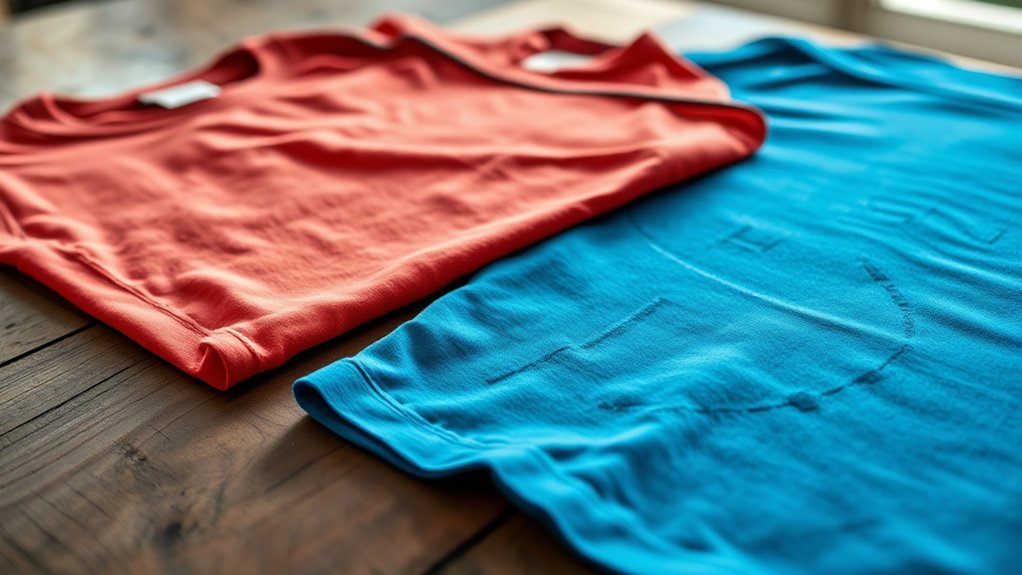

When choosing between rubber print vs screen print, it’s important to understand their distinct qualities.
Rubber print produces bold, raised designs with thick, durable ink—making it perfect for synthetic fabrics and sportswear.
Screen print, on the other hand, offers fine detail and vibrant colors through thin, flexible layers. This method is ideal for natural fibers like cotton and allows for intricate artwork.
Rubber print tends to last longer but comes at a higher cost. Screen printing is more cost-effective for large orders and complex designs.
Ultimately, your choice depends on fabric type, design complexity, and budget. Explore these factors to find the perfect print method for your needs.
Key Takeaways
- Rubber print uses thick ink layers for bold, durable graphics, while screen print applies thinner ink for detailed, flexible designs.
- Screen printing excels at fine lines and subtle gradients; rubber printing provides vivid color vibrancy but may blur small details.
- Rubber prints resist cracking and peeling, making them ideal for heavy use; screen prints offer softer feel and better breathability.
- Rubber printing is generally more expensive due to ink costs and curing time, whereas screen printing is cost-effective for large runs.
- Rubber print suits synthetic fabrics like polyester, while screen print works best on natural fibers such as cotton and linen.
Rubber Print Vs. Screen Print: How They Work
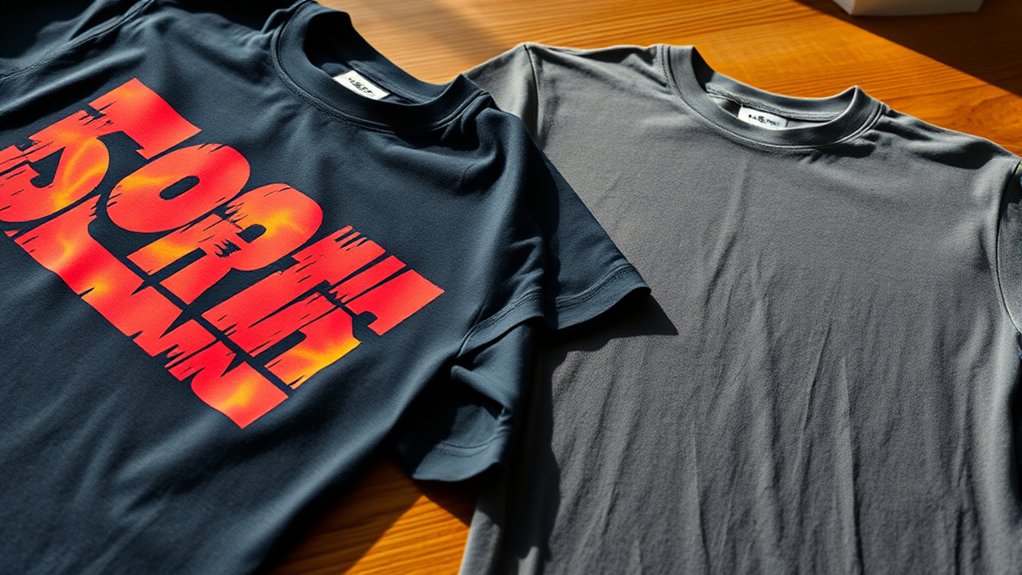
While both rubber print and screen print serve to transfer designs onto materials, they operate through distinct processes that affect the final result. Rubber print uses a raised rubber stamp or plate coated with ink, pressing the design directly onto the surface.
This application technique excels in precision and sharp edges, making it ideal for simple, bold graphics. Screen print relies on forcing ink through a mesh stencil onto the substrate. Its print method allows for layering multiple colors and producing complex, detailed designs.
You’ll notice rubber print applies ink in a thicker, tactile layer, while screen print spreads ink thinly and evenly. Understanding these application techniques helps you choose the right print method based on design complexity and visual impact requirements.
Rubber Vs. Screen Print: Durability and Feel
Both rubber and screen prints offer distinct durability and tactile qualities that influence how your design holds up over time and feels to the touch. Rubber prints boast exceptional rubber longevity; their thick, raised texture resists cracking and peeling even after repeated washes. This durability makes rubber prints ideal for bold, simple designs that need to endure heavy use.
In contrast, screen prints emphasize screen softness, resulting in a thinner, more flexible layer that integrates seamlessly with the fabric. While screen prints may show some wear faster than rubber, their smooth feel enhances comfort and garment breathability. When choosing between the two, consider if you prioritize rugged longevity or a gentle, soft hand feel for your design’s application and wear conditions.
Color Vibrancy and Detail: Rubber Vs. Screen Print
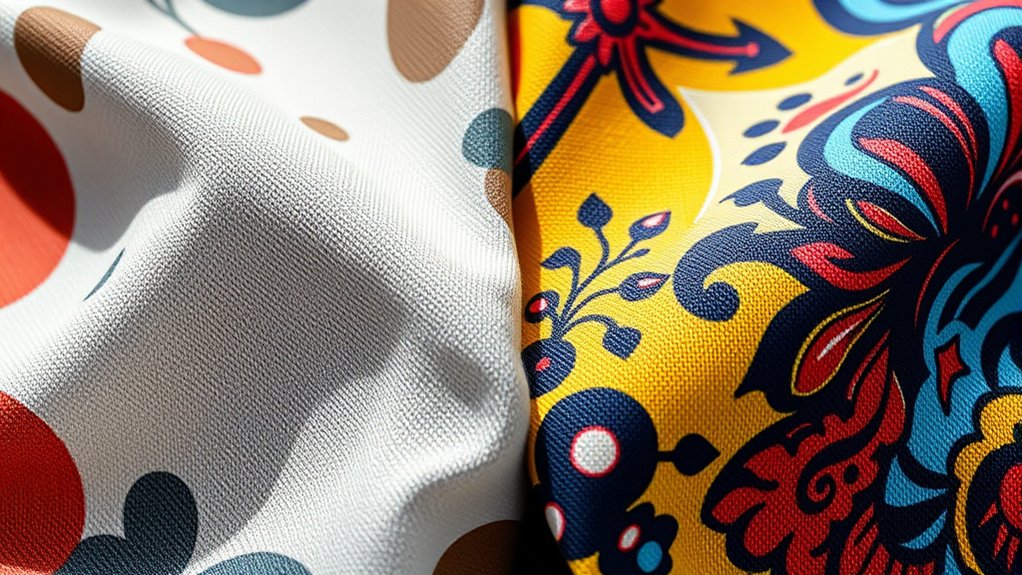
When you want your design to pop with bold, saturated colors, rubber prints deliver vivid vibrancy thanks to their thick, raised ink layers. This technique enhances color saturation, making hues appear richer and more intense.
However, screen printing excels in print clarity, capturing fine lines and intricate details with precision. Here’s what to evaluate:
- Rubber print’s raised texture boosts color depth but may blur tiny details.
- Screen print uses thinner ink layers, preserving sharp edges and subtle gradients.
- For bold, simple graphics, rubber print maximizes visual impact.
- For detailed, multi-color artwork, screen print maintains crispness and definition.
Choosing between them depends on whether you prioritize vibrant saturation or detailed clarity in your design.
Cost Comparison: Rubber Vs. Screen Print
Because rubber printing involves thicker ink layers and specialized materials, it generally costs more per piece than screen printing. When you perform a budget analysis, consider pricing factors such as ink type, setup complexity, and production volume.
Rubber prints require costly, durable inks and longer curing times, increasing labor and material expenses. Screen printing benefits from economies of scale; as your order size grows, the cost per unit decreases considerably due to reusable screens and faster production cycles.
However, for small runs or designs requiring thick, textured prints, rubber printing’s unique finish might justify its higher price. By weighing these pricing factors against your project’s needs, you can optimize your budget and choose the print method that delivers the best value without compromising quality.
Best Projects and Fabrics for Rubber Vs. Screen Print
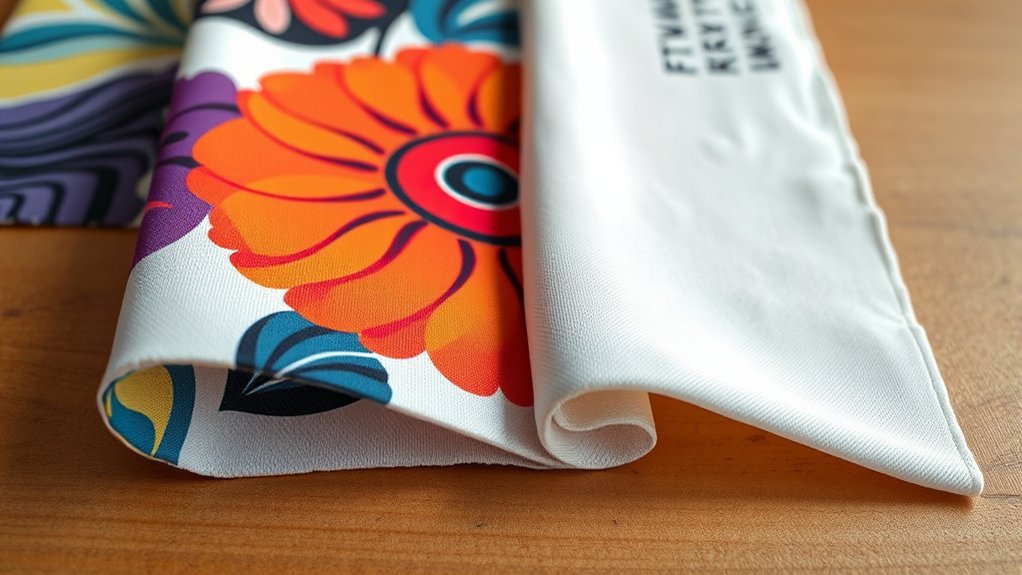
Understanding the cost differences between rubber and screen printing helps you decide which method suits your budget, but selecting the right projects and fabrics guarantees excellent results. For rubber print, the best fabric choices include synthetic blends and polyester, as rubber adheres well to smooth surfaces.
Screen printing excels on natural fibers like cotton and linen, offering vibrant, durable prints.
Consider these project examples for each method:
- Rubber print: sports jerseys, activewear, and promotional items with bold graphics.
- Screen print: detailed logos on t-shirts, tote bags, and apparel requiring color precision.
- Rubber print suits small runs and designs with limited colors.
- Screen print thrives in large-volume orders with complex artwork.
Match your project’s fabric and design to these insights for superior print quality.
How to Choose Between Rubber and Screen Print
You’ll want to weigh durability and texture first. Rubber prints offer a raised, flexible feel, while screen prints create smooth, vibrant designs. Next, consider cost and application.
Rubber printing suits smaller runs with bold shapes, whereas screen printing excels in larger orders with detailed images. Matching these factors to your project needs guarantees the best printing method choice.
Durability And Texture
When deciding between rubber print and screen print, consider how each handles durability and texture under wear. Rubber print offers superior ink adhesion, resisting cracking and peeling, making it ideal for heavy-use items.
Screen print delivers greater texture variation, allowing for intricate designs with smooth or raised finishes. To choose effectively:
- Evaluate expected wear. Rubber print excels in abrasion resistance.
- Examine design complexity. Screen print supports fine detail with varied textures.
- Consider fabric type. Rubber print bonds well with synthetic fibers; screen print suits natural fabrics.
- Think about tactile feel. Rubber print feels rubbery and flexible; screen print varies from matte to glossy.
Understanding these factors guarantees your print lasts longer and meets the desired aesthetic and tactile qualities.
Cost And Application
Although rubber print often demands a higher upfront cost due to specialized materials, it excels in applications requiring durability and flexibility. When choosing between rubber and screen print, consider cost effectiveness alongside application suitability.
Rubber print suits projects needing stretch and abrasion resistance, such as sportswear or outdoor gear, where longevity justifies initial expense. Screen print offers lower setup costs and faster production, ideal for large runs with simple designs on flat surfaces.
If your design requires vibrant colors and fine details on cotton or polyester, screen printing delivers crisp results at a reduced price. Evaluate your project’s demands: prioritize rubber print for durability under stress, or choose screen print for budget-friendly, high-volume orders. This balance helps you optimize both performance and cost effectiveness in your final product.
Avoid These Common Rubber and Screen Print Mistakes
Many print jobs fall short due to overlooked errors in rubber and screen printing processes. To avoid common misconceptions and improve your application techniques, focus on these key mistakes:
Common errors in rubber and screen printing often cause failures; recognizing these pitfalls improves your print results.
- Ignoring Substrate Compatibility: Using the wrong ink for your material leads to poor adhesion and fading.
- Inadequate Curing Time: Skipping or shortening curing causes smudging and weak prints.
- Incorrect Screen or Plate Setup: Misaligned or clogged screens produce blurry or incomplete images.
- Overlooking Ink Consistency: Too thick or thin ink affects print quality and durability.
Frequently Asked Questions
Can Rubber or Screen Prints Be Recycled or Are They Eco-Friendly?
You can’t easily recycle rubber or screen prints due to complex recycling methods. However, choosing eco-friendly materials like water-based inks helps reduce environmental impact, making your prints more sustainable and aligned with green production standards.
How Do Rubber and Screen Prints Perform on Stretchable Fabrics?
When fabrics stretch like a dancer’s leap, rubber prints flex better, hugging curves without cracking. Screen prints offer a performance comparison favoring breathability but less stretch. Your fabric compatibility choice depends on movement demands.
Are There Health Concerns With the Inks Used in Rubber or Screen Printing?
You should check ink safety and toxicity levels before printing. Many inks contain harmful chemicals, but low-toxicity, water-based options reduce risks.
Always wear gloves and guarantee proper ventilation to protect yourself during the printing process.
Can Screen Printing or Rubber Printing Be Done at Home Easily?
You can easily try DIY techniques for both screen and rubber printing at home. With basic home equipment like screens, squeegees, or stamps, you’ll create sharp prints.
However, rubber printing needs more manual setup and drying time.
How Long Does Each Printing Method Take From Start to Finish?
Think of screen printing like baking a layered cake. It takes about 1-2 hours including print preparation and curing. Rubber print’s production timeline is quicker, often under an hour, since it’s more direct and less setup-intensive.
Conclusion
Choosing between rubber and screen print is like picking the right brush for your canvas—each stroke shapes your final masterpiece. Rubber print offers bold resilience, a shield against time’s wear, while screen print paints vivid details with precision and flair.
You hold the power to decide which texture and tone best suit your project’s story. Embrace the print that speaks your vision, turning fabric into a living, breathing statement.
In the end, understanding the difference between rubber print vs screen print helps you select the perfect method to bring your design to life.