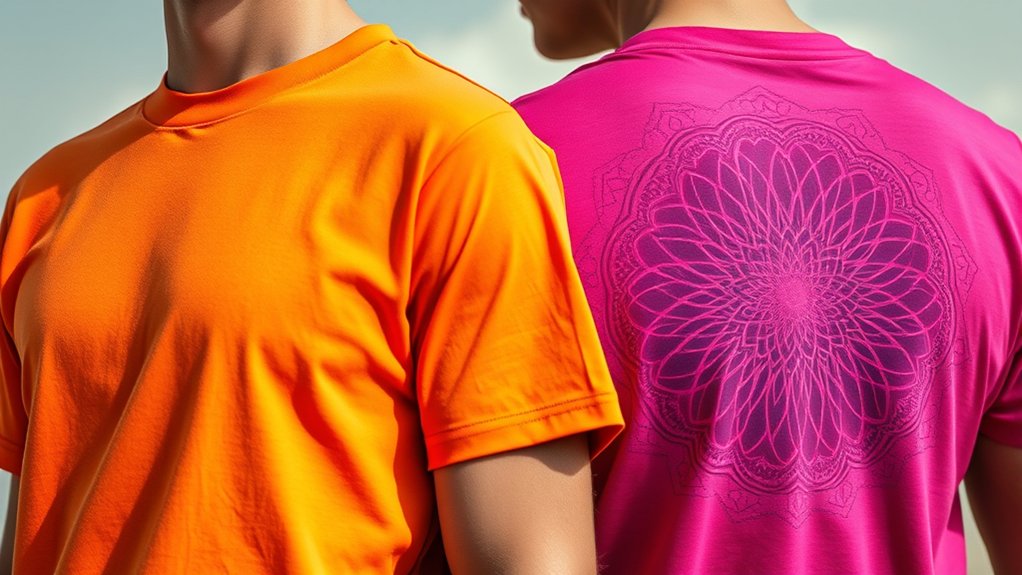

If you want sharp, vibrant designs with quick setup, iron-on vinyl is great for small runs and detailed, multi-colored graphics.
This method adheres with heat but may crack or peel over time, especially with frequent washing.
Screen printing offers softer, matte textures and excels in durability, handling many washes while keeping colors vivid—ideal for large batches.
Your choice depends on design complexity, project size, and texture preference.
Keep exploring to find the best fit for your needs.
Key Takeaways
- Iron-on vinyl suits complex, multi-colored designs and small batches without screen setup, while screen printing is best for simpler, large runs.
- Vinyl is applied by heat-pressing cut designs on smooth fabrics; screen printing pushes ink through mesh stencils, requiring separate screens per color.
- Vinyl yields a glossy, smooth, slightly rigid texture; screen printing offers a matte, soft, fabric-integrated finish with subtle color gradients.
- Screen printing is more durable and fade-resistant through many washes; vinyl may crack or peel over time with heavy laundering.
- For DIY and quick small projects, iron-on vinyl requires less equipment, lower upfront costs, and faster turnaround than screen printing.
Iron-On Vinyl Vs Screen Printing: Which Is Right for You?
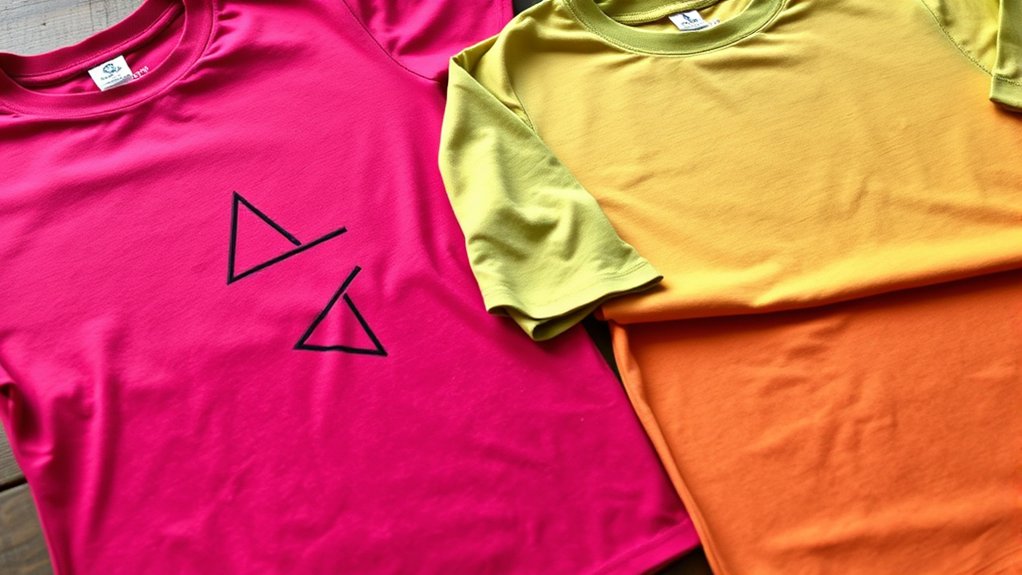
How do you decide between iron-on vinyl and screen printing for your project? Focus on design flexibility and cost effectiveness. Iron-on vinyl offers high design flexibility; you can create complex, multi-colored, and detailed images with precision. It’s ideal for small batches or one-off designs since setup is minimal.
Screen printing, however, shines in cost effectiveness for large runs. Once screens are prepared, the per-unit cost drops considerably, making it perfect for bulk orders with simpler color schemes.
Consider the project’s scale and visual complexity: choose iron-on vinyl for detailed, varied designs and low quantity; opt for screen printing to maximize cost efficiency on high-volume, less intricate prints. Your choice hinges on balancing these factors against your project’s needs.
How Iron-On Vinyl and Screen Printing Work
Although both methods transfer designs onto fabric, iron-on vinyl and screen printing use distinct processes that affect the final look and feel. With iron-on vinyl, you cut your design from colored vinyl sheets, then use heat and pressure to adhere it directly to the fabric.
This application technique requires a heat press or household iron and works best on cotton, polyester, and blends with smooth surfaces, emphasizing material compatibility. Screen printing involves pushing ink through a fine mesh stencil onto the fabric.
Each color requires a separate screen, making it ideal for larger runs. You’ll notice this method bonds ink with fibers, offering durability and vibrant colors. Understanding these application techniques and material compatibility helps you choose the right process for your project’s needs.
Comparing Look and Feel: Iron-On Vinyl Vs Screen Printing
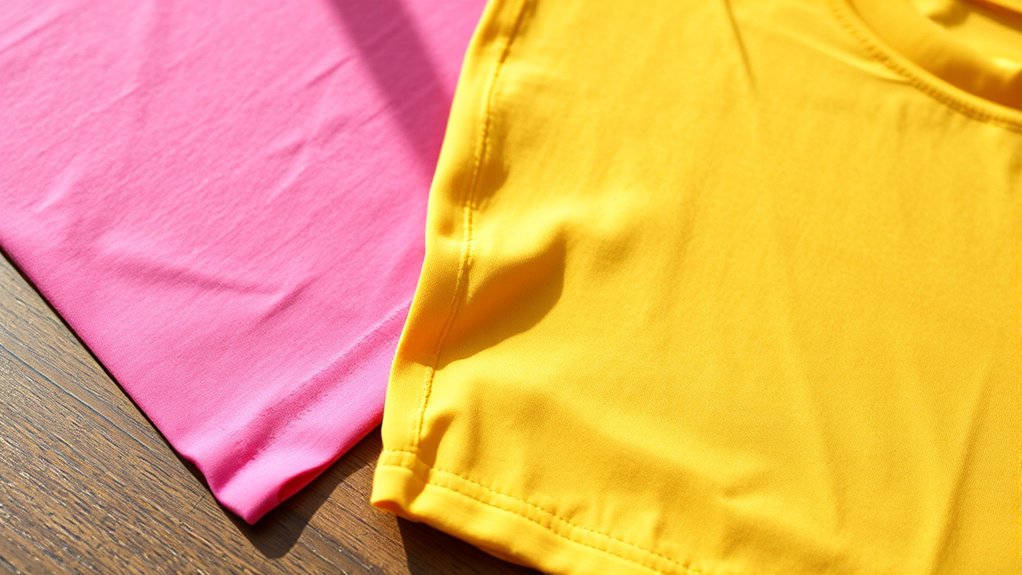
The distinct application methods of iron-on vinyl and screen printing directly influence their visual and tactile outcomes. When you compare their texture and visual appeal, you’ll notice clear differences.
Iron-on vinyl creates a raised, smooth surface that feels slightly plasticized, while screen printing integrates ink into the fabric, offering a softer, more breathable finish. Here’s a texture comparison to help guide your choice:
Iron-on vinyl feels smooth and raised, while screen printing offers a soft, breathable fabric finish.
Iron-on vinyl: Glossy, smooth, slightly rigid texture
Screen printing: Matte, soft, fabric-integrated texture
Visual appeal: Vinyl produces sharp, vibrant edges; screen printing offers nuanced color gradients
Understanding these contrasts helps you pick the right method based on the desired look and feel for your project.
Durability and Washability: Which Lasts Longer?
Since your design needs to endure repeated wear and washing, understanding the durability of iron-on vinyl versus screen printing is essential. Screen printing excels in fade resistance due to its ink penetrating fabric fibers, maintaining vibrant colors through numerous wash cycles.
It also offers broad material compatibility, adhering well to cotton, polyester, and blends without compromising durability. Conversely, iron-on vinyl forms a surface layer that can crack or peel over time, especially if washed aggressively or on incompatible materials.
While vinyl provides sharp edges and solid colors, its fade resistance is generally lower, and improper material compatibility increases wear risks. To maximize lifespan, you should consider fabric type and washing methods. Screen printing typically lasts longer under frequent laundering, whereas vinyl demands gentler care to preserve integrity.
Best Method for Small Batches and DIY: Iron-On Vinyl Vs Screen Printing
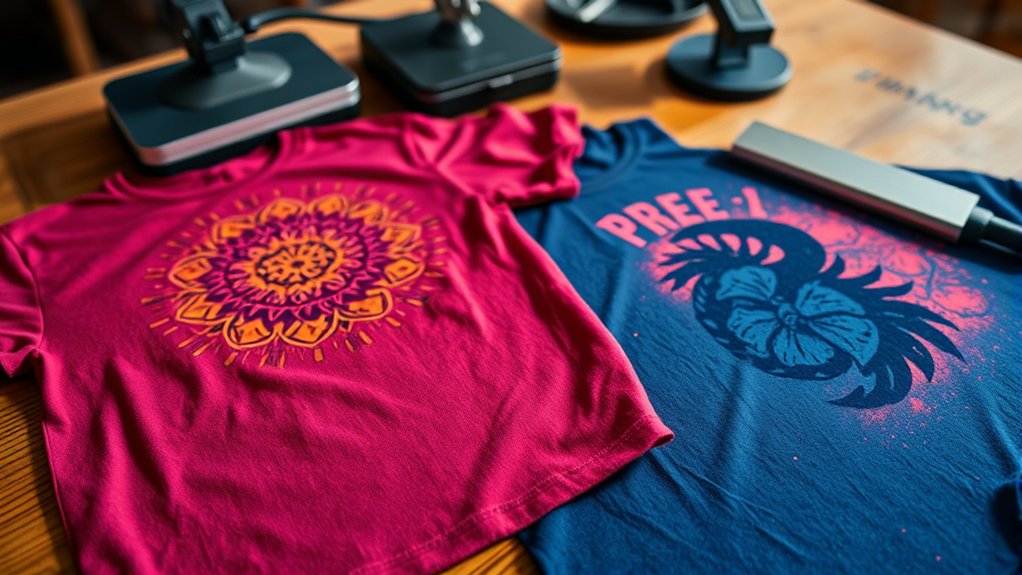
When you’re handling small batches or crafting DIY projects, iron-on vinyl often offers greater flexibility and speed than screen printing. It lets you quickly produce detailed designs without setting up screens, making it ideal for limited runs. You’ll appreciate the design flexibility and cost effectiveness, especially when experimenting or customizing.
Screen printing, while excellent for volume, requires more prep time and upfront costs.
Consider these points with iron-on vinyl:
- Easy customization and quick design changes
- Minimal equipment and workspace needed
- Lower initial costs for small quantities
Iron-on vinyl’s precision and rapid turnaround make it the best choice if you want efficient, cost-effective, and highly flexible printing for your small batch or DIY needs.
Factors to Consider When Choosing Your Printing Method
Although both iron-on vinyl and screen printing have their strengths, choosing the right method depends on key factors like design complexity, production volume, material compatibility, and budget constraints. You need to weigh cost considerations against the intricacy of your design and intended quantity.
Iron-on vinyl excels with simple, low-volume projects, while screen printing handles complex, large runs economically.
| Factor | Iron-On Vinyl | Screen Printing |
|---|---|---|
| Design Complexity | Best for simple, bold shapes | Handles detailed, multi-color |
| Production Volume | Ideal for small batches | Economical at large scales |
| Cost Considerations | Higher per unit for bulk | Lower cost per unit in volume |
Frequently Asked Questions
Can Iron-On Vinyl Be Used on All Fabric Types?
You can’t use iron-on vinyl on all fabric types; its fabric compatibility favors cotton, polyester, and blends. Applying it on delicate or heat-sensitive materials risks damage, so mastering application techniques guarantees durability and visual quality.
Is Screen Printing Safe for Children’s Clothing?
You’ll find over 90% of screen prints meet strict safety standards, ensuring inks won’t irritate children’s skin. These prints use non-toxic, durable materials, making them safe and comfortable for kids’ everyday wear and play.
How Eco-Friendly Are Iron-On Vinyl and Screen Printing?
You’ll find sustainability factors favor screen printing due to lower waste and water use. Iron-on vinyl’s environmental impact includes plastic-based materials and heat press energy. Both are less eco-friendly compared to screen printing’s reusable screens and biodegradable inks.
Can I Layer Multiple Colors With Iron-On Vinyl?
You want precision, vibrancy, and depth. You get it with iron-on vinyl. By mastering layering techniques, you can stack colors seamlessly, achieving sharp edges and subtle color blending.
Just align carefully for crisp, vivid designs every time.
Which Method Is Better for Intricate Designs?
You’ll find screen printing better for intricate details and high design complexity since it captures fine lines smoothly. Iron-on vinyl can struggle with tiny elements, making screen print the superior choice for detailed, complex visuals.
Conclusion
Choosing between iron-on vinyl and screen printing is like picking the right brush for your masterpiece. Iron-on vinyl offers sharp, vibrant designs perfect for small batches and quick projects. It’s an excellent choice when you need fast turnaround and detailed graphics.
Screen printing, on the other hand, delivers durable, breathable prints that are ideal for large runs. This method excels in creating long-lasting designs with a professional finish. Consider your project’s scale, texture preference, and longevity needs before deciding.
With this knowledge, you’ll craft visuals that not only catch eyes but also stand the test of time, turning fabric into your canvas. Ultimately, understanding the difference between iron-on vinyl vs screen print will help you choose the best technique for your creative vision.