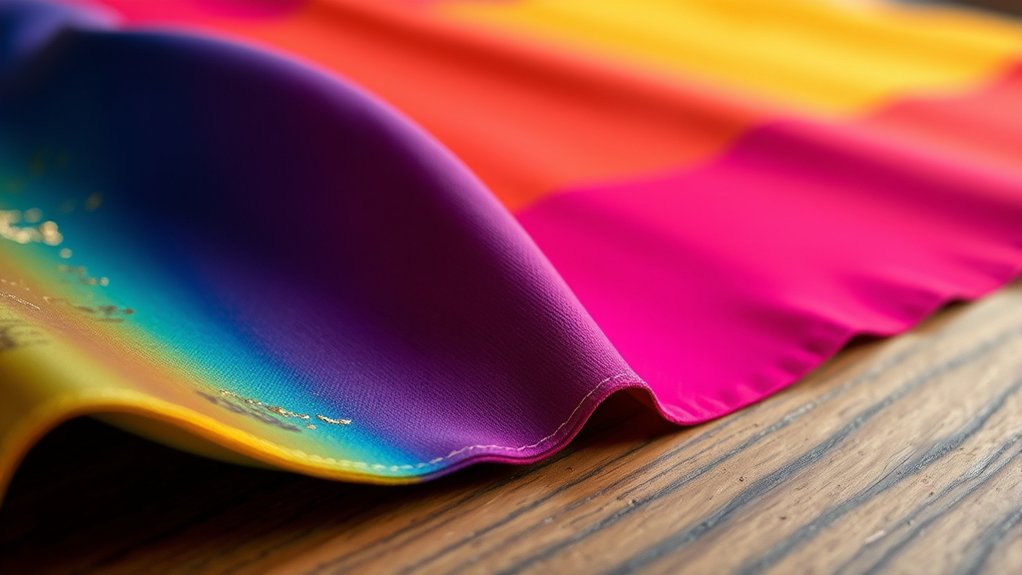

Hot stamping vs screen printing offers distinct advantages depending on your project needs.
You’ll love how hot stamping adds a smooth, metallic shine with crisp edges, perfect for sleek, polished looks on leather or coated paper.
Screen printing, meanwhile, layers vibrant, bold colors ideal for detailed designs on textured fabrics like cotton.
Hot stamping resists wear better, while screen printing offers colorful flexibility.
Both have unique costs and material fits, so choosing depends on your design, durability, and budget needs.
Explore the nuances to find what suits your project best.
Key Takeaways
- Hot stamping creates a glossy, metallic finish best suited for smooth surfaces like leather and coated papers.
- Screen printing excels on textured fabrics, producing vibrant, multi-colored designs with a matte finish.
- Hot stamping offers high durability with resistance to fading and scratching, ideal for long-lasting applications.
- Screen printing is cost-effective for complex, colorful designs and large volume orders, especially on textiles.
- Choosing between techniques depends on material type, design complexity, order size, and desired visual effect.
How Hot Stamping and Screen Printing Work
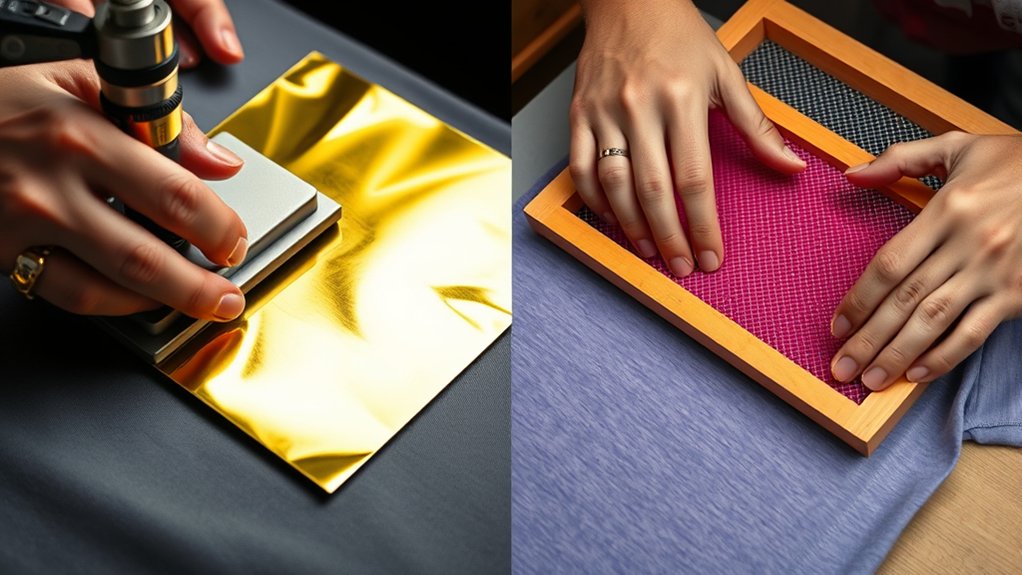
While both hot stamping and screen printing add vibrant designs to surfaces, they achieve this through strikingly different processes that engage your senses in unique ways. With hot stamping, you watch as foil meets substrate under precise heat application, causing a delicate ink transfer that leaves a glossy, metallic sheen.
The heat activates adhesives in the foil, embedding the design with crisp edges and a tactile finish. Screen printing, however, involves pushing ink through a finely woven mesh screen, layer by layer, to build up bold, opaque colors.
You’ll notice the textured feel as each ink layer dries, creating depth and vibrancy. Each method’s distinctive technique shapes the final artwork’s look, inviting you to appreciate the craftsmanship behind every design.
Best Materials and Designs for Hot Stamping vs Screen Printing
Because hot stamping requires heat and pressure to transfer foil, it works best on smooth, flat surfaces like leather, plastics, and coated papers where the metallic shine can truly pop. You’ll find hot stamping materials excel on premium goods needing a sleek, reflective finish.
On the other hand, screen printing designs thrive on textured fabrics and uneven surfaces, delivering vibrant, multi-color graphics with bold detail.
| Technique | Ideal Materials | Design Strengths |
|---|---|---|
| Hot Stamping | Leather, Plastics, Coated Paper | Metallic shine, clean lines |
| Screen Printing | Cotton, Polyester, Canvas | Multi-color, complex artwork |
| Hot Stamping | Gift Boxes, Labels | Elegant, minimalist details |
| Screen Printing | T-shirts, Posters | Bold colors, intricate patterns |
Visual Style and Durability: Hot Stamping vs Screen Printing
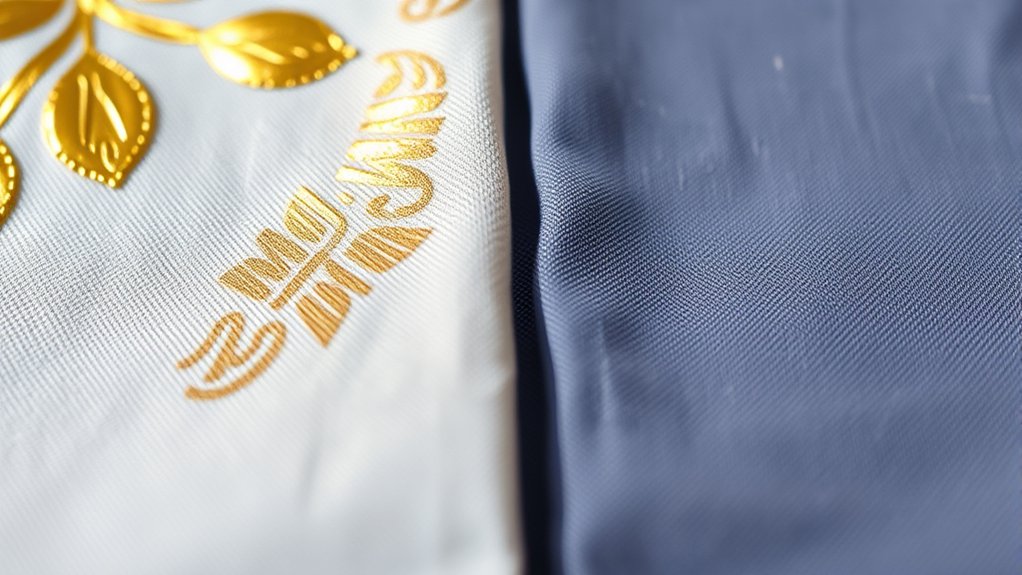
The striking metallic gleam of hot stamping captures your eye immediately, offering a sleek, polished look that elevates any product’s aesthetic. Its crisp edges and reflective finish create a luxurious visual appeal that screen printing often can’t match.
Screen printing, on the other hand, excels with vibrant, multi-colored designs and detailed gradients, giving you flexibility in creativity but a more matte finish.
When it comes to durability, hot stamping impresses with its resistance to fading and scratching, making it ideal for long-lasting applications. Screen printing offers decent longevity but may wear down quicker under constant abrasion or exposure.
Cost Differences and Money-Saving Tips for Hot Stamping and Screen Printing
Though both hot stamping and screen printing can transform your products with stunning visuals, their costs differ markedly based on materials, setup, and complexity. When conducting a cost analysis, you’ll notice hot stamping’s initial setup expenses are higher due to custom dies, but its per-piece cost drops for large runs.
Screen printing has a lower startup cost but can get pricey with multiple colors and intricate designs. To save money, consider simplifying your artwork and limiting color use. Also, ordering in bulk reduces costs with both methods.
Keep budget considerations in mind by balancing your desired visual effect with quantity. By understanding these cost nuances, you can make smarter choices that maximize impact while staying within your financial plan.
Which Technique Should You Choose for Your Project?
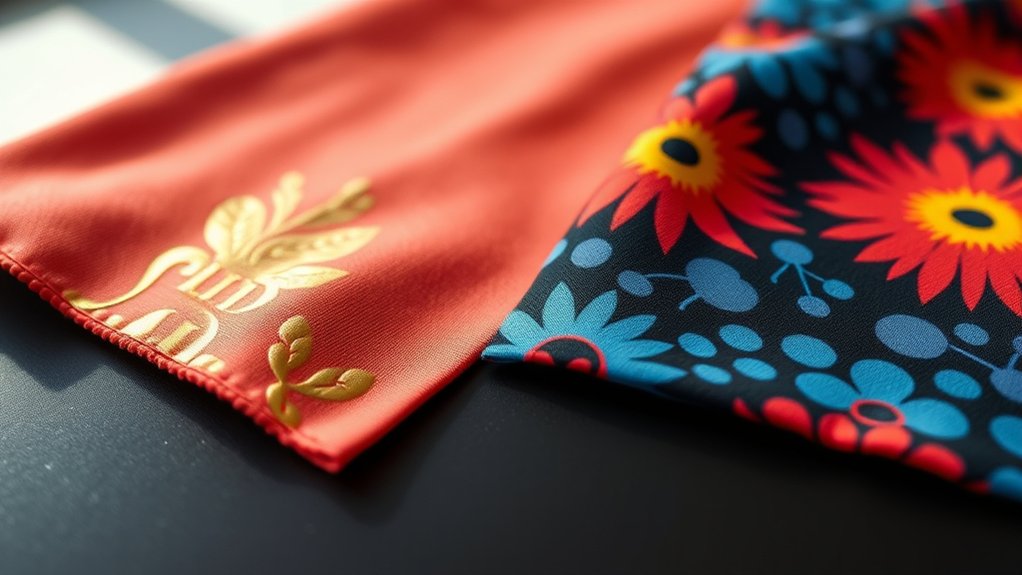
Picking the right technique for your project means weighing more than just costs. You’ll want to evaluate the look and feel you’re aiming for, the materials involved, and the scale of your order.
Choosing the right technique involves considering appearance, materials, and order size beyond just price.
Hot stamping offers a sleek, metallic finish perfect for premium products, while screen printing shines with vibrant colors and great design versatility.
Consider these project considerations to guide your choice:
- Material type: smooth surfaces suit hot stamping; fabrics favor screen printing
- Design complexity: simple logos lean toward hot stamping; intricate art fits screen printing
- Order volume: large runs reduce screen printing costs; small batches benefit from hot stamping
- Durability needs: hot stamping resists wear; screen printing adapts to flexible uses
Match your technique to your project’s unique demands for stunning, tailored results.
Frequently Asked Questions
Can Hot Stamping and Screen Printing Be Combined on One Product?
You can combine hot stamping and screen printing on one product, but you’ll need to guarantee design compatibility and plan carefully to maintain production efficiency.
This blend creates vibrant, textured visuals that really stand out creatively.
How Environmentally Friendly Are Hot Stamping and Screen Printing Methods?
Don’t worry, you’re not planting trees with these methods yet! Hot stamping uses sustainable materials and cuts waste, while screen printing’s ink can be messy but offers waste reduction options. Choose wisely for greener prints!
What Equipment Maintenance Is Required for Hot Stamping Vs Screen Printing?
You’ll clean hot stamping’s dies regularly to preserve equipment longevity, with moderate maintenance frequency. For screen printing, you must thoroughly wash screens after each use, increasing maintenance frequency but ensuring vibrant prints and lasting tools.
Are There Size Limitations for Designs in Hot Stamping or Screen Printing?
You’ll find hot stamping handles smaller, intricate designs with sharp detail, while screen printing suits larger, complex images. Both depend on material compatibility, so you’ll tailor your choice to your design’s size and complexity needs.
How Long Does the Setup Process Take for Each Printing Technique?
Wonder how long it takes to prep your design? Setup duration varies: hot stamping is quick and sharp, boosting process efficiency, while screen printing demands more time but offers detailed, vibrant results. Choose what suits your pace best.
Conclusion
Now that you’ve seen how hot stamping’s metallic shine contrasts with screen printing’s vibrant hues, which will you choose? Imagine your design—will it demand the sleek, durable elegance of hot stamping or the colorful versatility of screen printing?
Each method brings its own flair and finesse, but the best choice hinges on your project’s story. Ready to make your mark?
The perfect finish is just one decision away. When deciding between hot stamping vs screen printing, consider which technique best complements your vision and purpose.