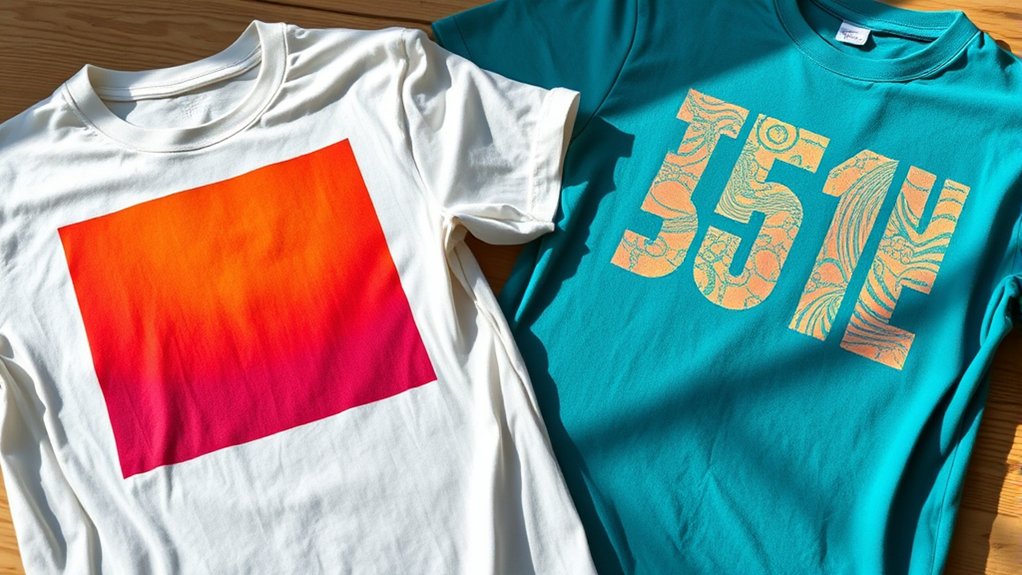

Heat transfer vs screen printing is a key decision when choosing the best method for your apparel designs.
If you want crisp, detailed designs with quick turnaround, heat transfer is your go-to, especially for small batches and polyester fabrics.
But for bold, durable prints that withstand countless washes—think casual tees or work uniforms—screen printing shines, particularly on cotton and large orders.
Complex, multi-color art favors heat transfer, while screen printing saves money over time with vibrancy and toughness.
Ready to find the perfect print method that suits your project’s style and scale?
Key Takeaways
- Heat transfer excels in detailed, multi-color designs with quick setup, ideal for small batches and polyester fabrics.
- Screen printing offers cost efficiency and durability for large orders, especially on cotton and casual apparel.
- Screen printing produces vivid, long-lasting colors but requires higher setup time and costs upfront.
- Heat transfer suits flexible, specialty fabrics and athletic wear, providing crisp prints but less wash durability.
- Choosing between methods depends on design complexity, order size, fabric type, and desired longevity.
How Heat Transfer Printing Works on Apparel
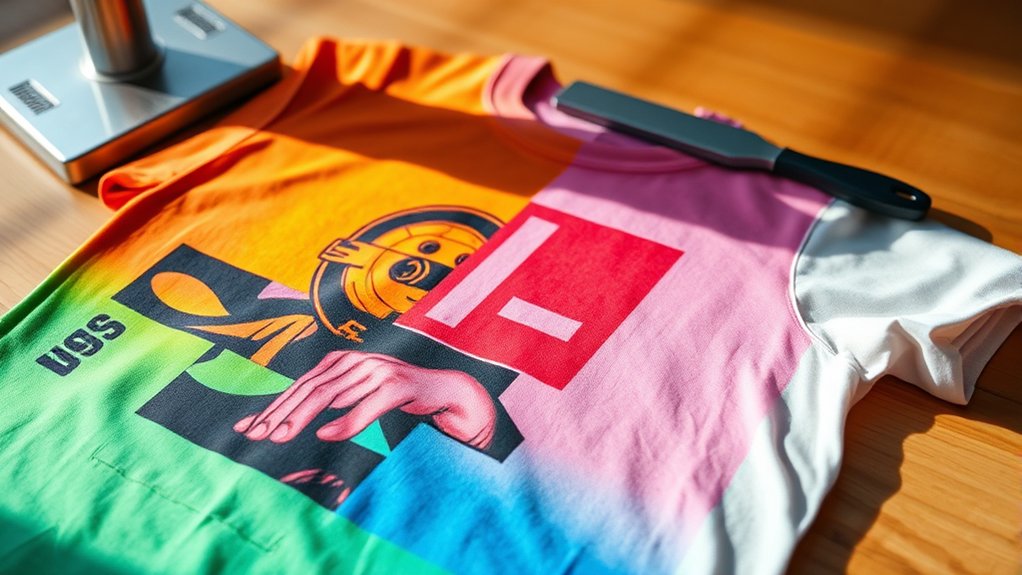
When you choose heat transfer printing, you’re tapping into a process that fuses vibrant designs onto fabric using heat and pressure. You start by printing your design onto a special transfer paper or vinyl. Then, using a heat press, you apply consistent heat and pressure to transfer the image onto the apparel.
This technique lets you capture intricate details and a wide color range, making your designs pop. Different application techniques, such as cold peel or hot peel, allow you to customize the finish and durability.
You’ll appreciate how quick and flexible heat transfer is, perfect for small runs or complex designs. It’s a clever way to bring your artwork to life on fabric without the mess or setup of traditional printing.
How Screen Printing Differs and Why It’s More Durable
Although heat transfer printing dazzles with detail and speed, screen printing stands out by layering ink directly onto fabric through a mesh stencil, creating bold, vibrant designs that truly last. You’ll appreciate these screen printing advantages that boost printing method longevity:
- Thicker ink layers bond deeply with fabric, resisting fading and cracking.
- Durable inks withstand countless washes without losing vibrancy.
- Textured finish provides a tactile quality that heat transfers lack.
- Versatile application works well on varied materials and colors, maintaining consistency.
Choosing screen printing means your designs won’t just look good; they’ll endure wear and time. This method’s durability makes it ideal when longevity matters most, ensuring your apparel stays sharp wash after wash, wear after wear.
Heat Transfer Vs Screen Printing: Comparing Print Quality
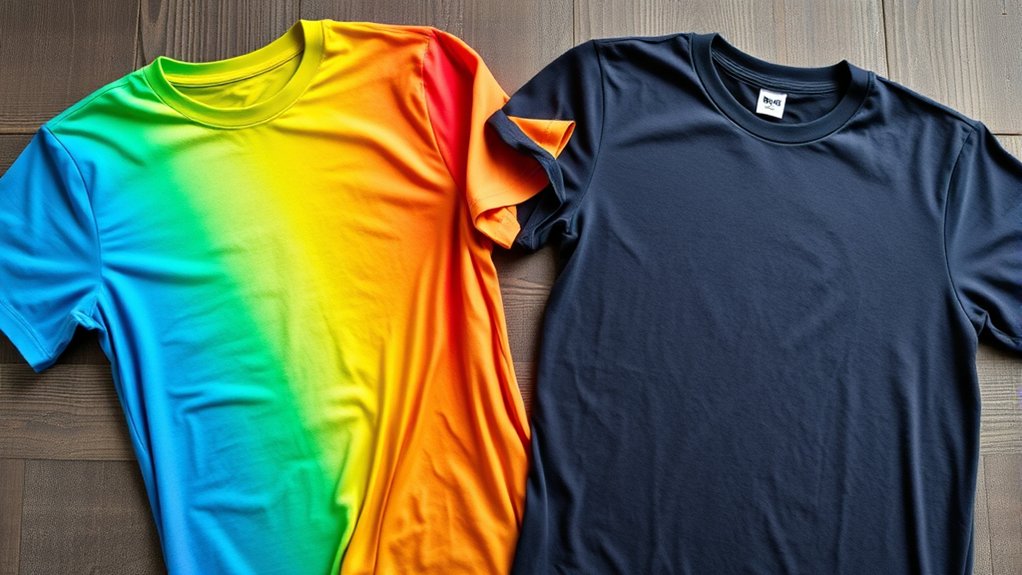
You want your design to pop with vibrant colors and sharp details that last wash after wash. Heat transfer offers crisp, high-resolution prints, while screen printing delivers deep, durable hues that stand the test of time.
Let’s compare how each method handles color vibrancy, durability, and intricate detail to find the best fit for your project.
Color Vibrancy Differences
Two key factors shape the color vibrancy you’ll see in heat transfer and screen printing: ink composition and application method. When you compare them, you’ll notice:
- Screen printing uses thicker, opaque inks, boosting color saturation and giving prints a vivid pop.
- Heat transfer inks tend to be thinner, sometimes sacrificing opacity for finer detail.
- The layering in screen printing allows more intense, solid colors that resist fading.
- Heat transfer relies on a plastic film that can dull brightness slightly, especially on dark fabrics.
Durability And Longevity
While both heat transfer and screen printing offer vibrant designs, their durability and longevity tell different stories. You’ll find heat transfers excel in sharp details but generally lag in fade resistance and washing durability. Screen printing, on the other hand, embeds ink deeper into fabric, delivering robust, long-lasting prints that withstand multiple washes without losing vibrancy.
| Feature | Heat Transfer | Screen Printing |
|---|---|---|
| Fade Resistance | Moderate | High |
| Washing Durability | Lower (prone to cracking) | Superior (flexible ink) |
| Texture | Smooth, slightly plastic | Matte, integrated feel |
| Longevity | 20-30 washes | 50+ washes |
| Maintenance | Requires gentle care | More forgiving |
Choose screen printing if you want prints that stand the test of time.
Detail And Resolution
Although both methods produce eye-catching designs, heat transfer shines when it comes to capturing intricate details and fine lines with crisp precision. If you want print clarity that pops, heat transfer offers superior detail precision, making it ideal for complex artwork.
Screen printing can struggle with tiny elements, often blurring or losing sharpness.
Here’s why heat transfer stands out in detail and resolution:
- Uses digital printing technology for sharper lines.
- Captures gradients and subtle color shifts effortlessly.
- Maintains print clarity on various fabric textures.
- Reproduces photographic quality with high accuracy.
When your design demands exactness and refined detail, heat transfer delivers the clarity you need, ensuring every tiny element stays vivid and distinct.
Which Method Handles Complex Designs Better?
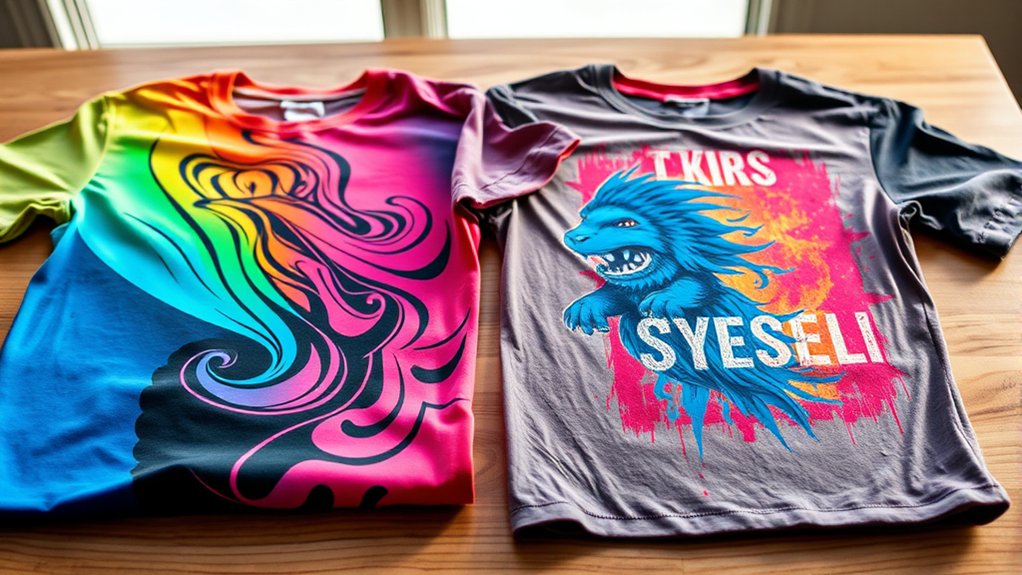
How do you decide which printing method brings your intricate artwork to life best? If your design bursts with color gradients and intricate patterns, heat transfer printing often steals the show. It captures subtle shade changes and delicate details with vibrant precision, letting your artwork maintain its complexity without compromise.
On the other hand, screen printing excels with bold, solid colors but struggles with fine gradients and extremely detailed motifs, sometimes losing nuance in the process. When you want every swirl and subtle hue preserved, heat transfer offers a digital finesse that mirrors your original design closely.
Cost Differences Between Heat Transfer and Screen Printing
When you weigh your options, the cost differences between heat transfer and screen printing can shape your final choice. Understanding cost efficiency through pricing analysis helps you invest wisely. Here’s a quick breakdown:
- Setup Costs: Screen printing demands higher upfront fees for screens and equipment; heat transfer keeps startup costs low.
- Per-Unit Price: For small batches, heat transfer offers better pricing; larger runs favor screen printing’s declining per-unit cost.
- Design Complexity Impact: Complex designs hike screen printing costs due to multiple screens; heat transfer handles complexity without extra charge.
- Durability and Reprint: Screen printing’s longevity means fewer reprints, saving money long term; heat transfers might need replacement sooner.
Best Fabrics and Apparel Types for Each Printing Method
You want your design to pop on the perfect fabric, right? Heat transfer shines on polyester and athletic wear, while screen printing thrives on cotton and thicker materials.
Let’s explore which apparel styles suit each method to make your prints look flawless.
Fabric Compatibility Comparison
Choosing the right fabric can make or break your printing project. When comparing fabric compatibility, understanding material types is key to maximizing your design’s impact.
- Cotton: Ideal for screen printing; its absorbent nature holds ink vividly. Heat transfer works well but may feel heavier.
- Polyester: Best for heat transfer, as it bonds perfectly with heat-applied vinyl or sublimation. Screen printing can be tricky here.
- Blends (Cotton/Polyester): Versatile for both methods but test for ink adhesion or transfer durability.
- Specialty Fabrics (Nylon, Spandex): Lean toward heat transfer for flexibility and color vibrancy. Screen printing might crack or peel.
Apparel Style Suitability
Fabric choice sets the stage, but pairing the right printing method with your apparel style truly brings your design to life. For athletic wear, heat transfer shines. Its flexibility and durability keep up with movement and moisture.
Screen printing, with its bold colors and longevity, suits casual clothing and work uniforms that demand frequent washes. When you’re chasing fashion trends or seasonal styles, heat transfer’s ability to capture intricate custom designs helps your brand identity pop.
Meanwhile, screen printing excels in promotional apparel, delivering vibrant, eye-catching logos that last. By matching your printing method to the apparel’s purpose and fabric, you guarantee your designs don’t just look good—they perform, resonate, and reinforce your brand, no matter the style or season.
Best Printing Method for Small Vs Large Orders
How do you decide between heat transfer and screen printing when tackling small versus large orders? For small batches or intricate custom designs, heat transfer offers flexibility and quick turnaround. But when you’re facing bulk orders, screen printing shines with cost efficiency and consistency. Consider this:
- Quantity: Heat transfer suits low volumes; screen printing slashes costs as volume rises.
- Detail: Heat transfer captures complex, multi-color designs better.
- Durability: Screen printing withstands repeated washes, ideal for long-term use.
- Setup time: Heat transfer requires minimal prep; screen printing demands setup but pays off in large runs.
How to Choose the Right Printing Method for Your Project
Now that you know the strengths of heat transfer and screen printing for different order sizes, it’s time to match those methods to your project’s unique needs. Start by examining your project requirements: Are you producing a small batch with intricate details or a large volume of simple designs?
Heat transfer shines with vibrant, complex graphics in low quantities, while screen printing excels in durability and cost-efficiency for bulk orders. Next, consider design considerations like color count and fabric type. If your design has many colors or gradients, heat transfer handles it effortlessly.
For bold, single-color logos on cotton tees, screen printing offers unmatched quality. By aligning your project requirements and design considerations with each method’s strengths, you’ll choose the printing technique that brings your vision to life flawlessly and efficiently.
Frequently Asked Questions
Can Heat Transfer or Screen Printing Be Eco-Friendly?
You can make both eco-friendly by choosing sustainable inks and biodegradable materials. Opting for these keeps your prints vibrant and planet-friendly, turning every design into a green statement that’s as stylish as it is sustainable.
Which Printing Method Is Better for Photos?
You’ll get better photo quality and color vibrancy with heat transfer. It captures intricate details and gradients perfectly, making your images pop, while screen printing struggles with fine photo nuances and subtle color shifts.
How Do Washing Instructions Differ for Each Printing Type?
You know what they say, “Don’t put all your eggs in one basket.” For washing durability, heat transfers need gentler care guidelines: cold wash, inside out. Screen prints handle tougher washes but avoid harsh bleach to keep colors vibrant.
Can Either Method Be Used on Non-Fabric Materials?
You can use heat transfer applications on various non-fabric materials like plastics and metals, while screen printing versatility shines on surfaces like wood and glass.
Both let you creatively imprint beyond textiles with vivid, lasting results.
What Equipment Is Needed for Home-Based Printing Setups?
You’ll need a painter’s palette of ink types, plastisol or water-based, for screen printing, plus a sturdy screen and squeegee. For heat transfer, grab quality heat sources like a heat press or iron to seal your art perfectly.
Conclusion
Choosing between heat transfer and screen printing is like picking the perfect brush for your canvas. Heat transfer offers vibrant detail for intricate designs, while screen printing lays down bold, lasting strokes that stand the test of time.
Whether you’re crafting a single masterpiece or a gallery of prints, knowing their strengths helps you paint your vision clearly.
So, pick your tool wisely and watch your apparel come alive with every print. Understanding the differences between heat transfer vs screen printing ensures your final product matches your creative goals perfectly.