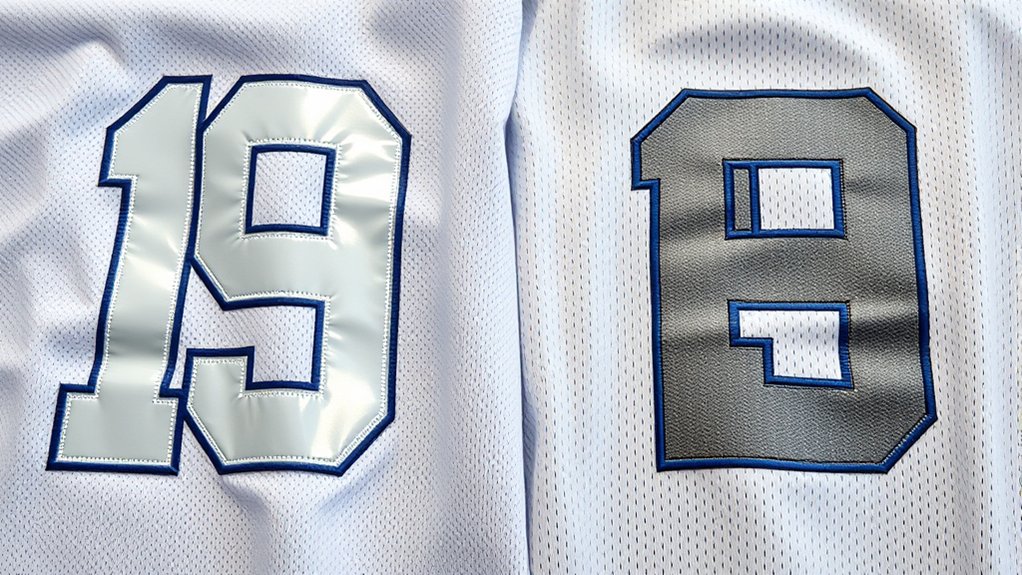

When you choose between heat sealed jersey vs screen printed options, think about how you want your design to look and feel.
Heat sealed jerseys fuse vibrant colors smoothly into the fabric, creating a sleek, durable finish that lasts through intense games.
Screen printed jerseys, with their bold, textured ink layers, offer a softer feel but may fade faster.
Your pick depends on whether you prioritize lasting vibrancy or bold texture—explore more to find the perfect fit for your team.
Key Takeaways
- Heat sealed jerseys fuse designs into fabric for vibrant, durable images, while screen printed jerseys use layered inks for bold, textured graphics.
- Heat sealed offers superior durability and wash longevity compared to screen printed, which may fade and peel over time.
- Heat sealed jerseys provide a smooth, flexible feel but may reduce breathability, whereas screen printed jerseys maintain fabric softness and airflow.
- Heat sealing delivers a sleek, premium look, while screen printing allows for eye-catching, tactile designs with a handcrafted feel.
- Heat sealed jerseys cost more and take longer to produce, ideal for quality-focused teams; screen printing is budget-friendly with faster turnaround for large orders.
Heat Sealed Vs. Screen Printed Jerseys: Key Differences
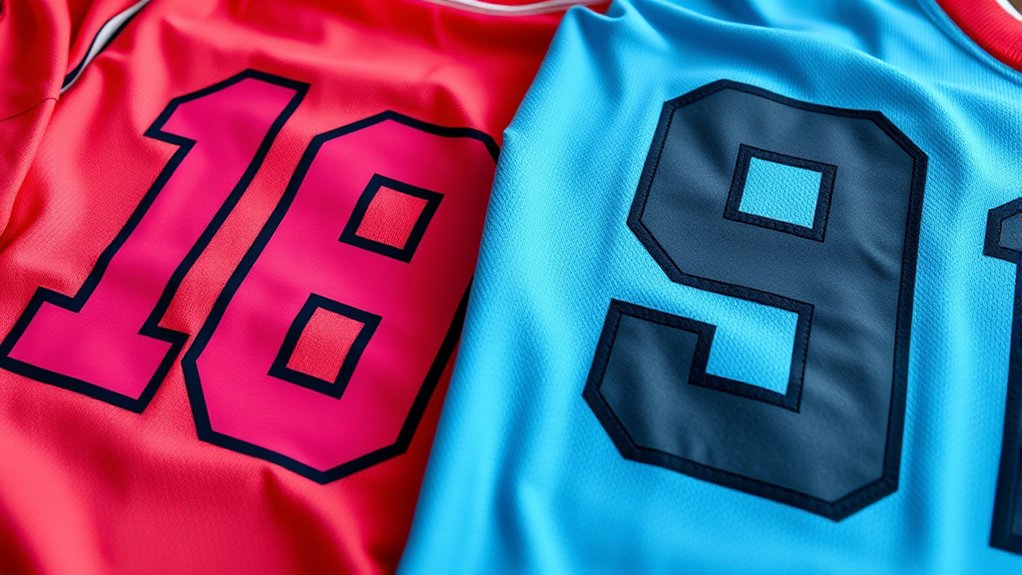
Although both heat sealed and screen printed jerseys showcase vibrant designs, they achieve their looks through very different methods that affect durability, texture, and feel against your skin. When you pick heat sealed jerseys, you’ll notice the sharp color vibrancy that pops with a smooth, almost slick finish. The design feels integrated, almost like it’s part of the fabric itself, which suits those who value sleekness and longevity.
On the other hand, screen printed jerseys offer a tactile texture you can actually feel, slightly raised with a soft matte look. If your design preferences lean toward that handcrafted, textured feel and you want colors that remain bold but a bit more muted, screen printing might be your go-to. Each method shapes how your jersey looks and feels in unique ways.
How Heat Sealed Jerseys Are Made and Their Benefits
You’ll start by layering vinyl or fabric onto the jersey, then use intense heat and pressure to fuse the design seamlessly. This process locks in vibrant colors that won’t crack or peel over time, keeping your jersey looking sharp game after game.
Plus, heat sealing keeps the fabric lightweight and breathable, so you stay comfortable while showing off your style.
Heat Sealing Process
When you choose a heat sealed jersey, you’re opting for a process that fuses designs directly onto the fabric using high heat and pressure. This technique involves carefully layering vinyl or specialized materials onto the jersey’s surface, then pressing them with a heat press.
You’ll see the design melt slightly, melding into the fabric’s fibers, creating a smooth, vibrant image. The precision of heat sealing allows for sharp lines and vivid colors that pop, making your jersey customization stand out.
As you hold the finished jersey, you’ll notice the design feels lightweight and flexible, seamlessly integrated without added thickness or stiffness. This method guarantees durability while maintaining the jersey’s breathability and comfort, making it a favorite for athletic wear and personalized gear.
Advantages Of Heat Sealing
Because heat sealing bonds designs directly onto fabric fibers, it creates jerseys that feel like a natural extension of the material rather than an added layer. You’ll notice how the design moves seamlessly with the fabric, no cracking or peeling, just smooth, vibrant images.
The ease of application means your custom graphics transfer quickly and cleanly, saving time without sacrificing quality. Plus, heat sealing offers incredible design versatility, letting you use intricate patterns, gradients, and multiple colors with sharp precision.
Whether it’s bold logos or subtle details, this method maintains durability through countless washes. When you choose heat sealing, you get lightweight, breathable jerseys that retain their look and feel, making every piece comfortable and visually striking from the first wear to the last.
Screen Printed Jerseys: Process and Appearance
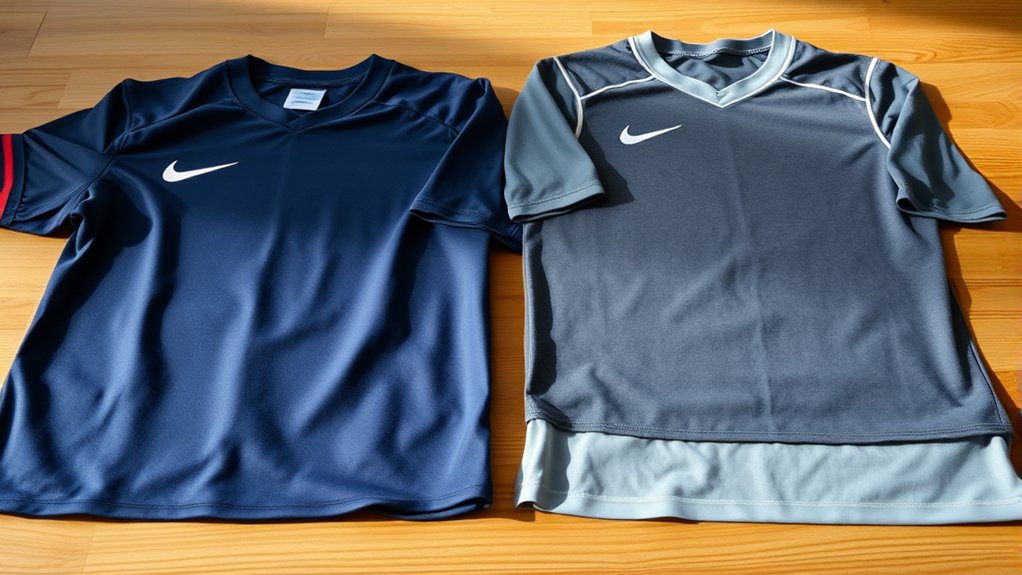
Although screen printing might seem straightforward, the process involves a meticulous layering of ink through fine mesh screens to create vibrant, durable designs on jerseys. When you explore screen printing techniques, you’ll notice how each color is applied separately, ensuring crisp lines and bold visuals that pop against the jersey’s fabric.
Here’s what you can expect:
- Color separation: Each hue is isolated and printed one at a time, perfecting jersey color application.
- Ink layering: Multiple passes build depth and opacity, making designs vivid and eye-catching.
- Curing: Heat sets the ink, locking the design onto the fabric for a smooth, integrated feel.
This method gives you jerseys with sharp, textured graphics that stand out in any crowd.
Durability Comparison: Heat Sealed Vs. Screen Printed Jerseys
If you want your jersey designs to withstand countless washes and intense game days, understanding the durability of heat sealed versus screen printed methods is essential. Durability factors like wear resistance, cracking, and peeling define how long your design stays vibrant.
Heat sealed designs, bonded with strong adhesive films, generally resist wear better over time. Screen printed jerseys, however, may fade or crack after repeated stress.
| Durability Factors | Heat Sealed Jerseys | Screen Printed Jerseys |
|---|---|---|
| Wear Resistance | High, resists cracking | Moderate, prone to fading |
| Wash Longevity | Excellent, holds up well | Good, but less consistent |
| Peel Resistance | Strong adhesion | Varies with ink quality |
| Visual Degradation | Minimal over time | Noticeable after use |
Choosing heat sealed can extend your jersey’s life when durability matters most.
Comfort and Feel: Which Printing Method Is Better?
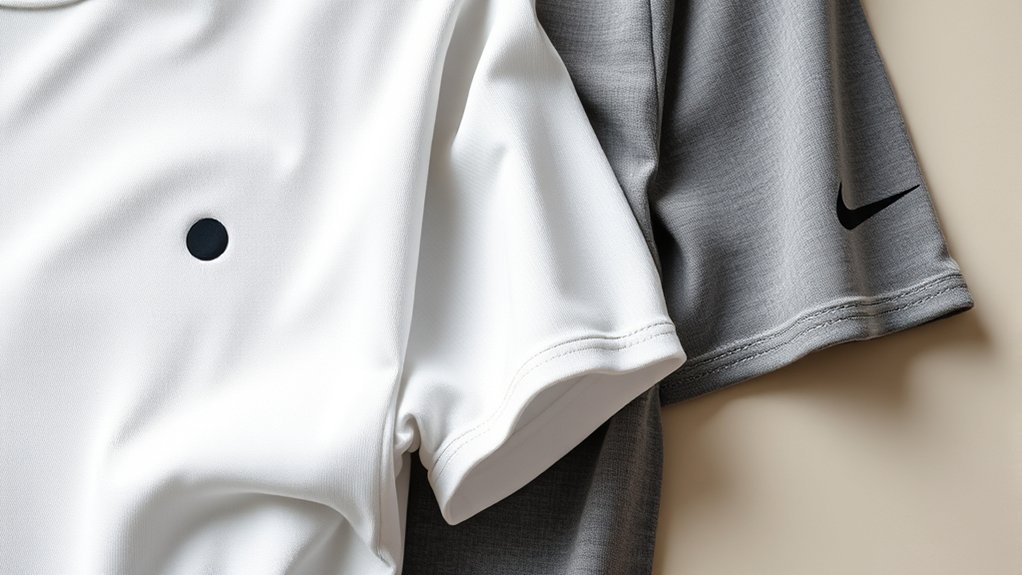
When you slide your hand over a heat sealed jersey, you’ll notice how the smooth, flexible print melds with the fabric’s softness, barely interrupting breathability. In contrast, screen printed designs often add a textured layer that can feel stiffer against your skin, sometimes trapping heat.
Let’s explore which method keeps you cooler and comfier during every move.
Fabric Softness Impact
The feel of a jersey against your skin can make or break your comfort, especially when choosing between heat sealed and screen printed designs. When considering fabric softness impact, you’ll notice key differences:
- Heat Sealed Jerseys often add a slightly stiffer layer over the fabric, which can reduce softness but improve durability with proper fabric care.
- Screen Printed Jerseys usually maintain the original softness of the fabric, as the ink seeps into fibers rather than layering on top.
- Softness Comparison favors screen printing if you prioritize a smooth, natural feel, while heat sealing might feel less flexible but still comfortable after multiple washes.
Understanding these nuances helps you pick a jersey that suits your comfort needs without sacrificing style.
Breathability Comparison
Two key elements shape how your jersey breathes: the printing method and how it interacts with the fabric’s pores. When heat sealed, the print forms a thin, plastic-like layer that sits atop the fabric, often blocking tiny air channels.
This can reduce airflow efficiency, trapping heat and moisture against your skin. On the other hand, screen printing applies thinner ink layers that soak slightly into the fabric fibers, preserving those microscopic gaps.
This allows air to circulate more freely, enhancing moisture management during intense activity. If you value breathability, screen printed jerseys tend to feel cooler and drier, letting sweat evaporate naturally.
Heat sealed jerseys may feel more insulated but risk overheating when airflow is compromised. Knowing this helps you pick the right jersey to stay comfortable and fresh.
Texture and Flexibility
Although both heat sealed and screen printed jerseys look great, you’ll notice a distinct difference the moment you touch and move in them. The texture differences and flexibility factors play a huge role in comfort and feel. Here’s what you’ll observe:
- Heat sealed prints lay flat, blending seamlessly with the fabric, giving a smooth texture that moves with you.
- Screen printed areas often feel thicker and slightly raised, creating a tactile contrast that can sometimes restrict stretch.
- Because heat sealed designs use thin vinyl or film, they offer greater flexibility, perfect for dynamic movements and long wear.
Cost and Choosing the Right Printing Method for Your Team
When deciding between heat sealed jerseys and screen printed ones, you’ll want to weigh both cost and your team’s specific needs carefully. Heat sealed jerseys often come with higher upfront costs but offer superior durability and a sleek, smooth finish that lasts through countless games.
Screen printing, on the other hand, shines in cost efficiency, especially for larger orders or simpler designs, making it ideal if budget considerations are tight. Picture your team’s jerseys as a canvas—heat sealing paints a vibrant, flexible masterpiece, while screen printing layers bold, textured colors.
Choose heat sealed if you want longevity and a premium look; go with screen printing if you need affordability and quick turnaround. Ultimately, aligning your choice with your budget and the jersey’s purpose will guarantee your team looks sharp without overspending.
Frequently Asked Questions
Can Heat Sealed Jerseys Be Customized With Multiple Colors and Gradients?
You can customize heat sealed jerseys with multiple colors, but color limitations exist compared to screen printing. While gradients are tricky, you’ll enjoy design flexibility for sharp, vibrant graphics that pop with precision and durability.
Are Screen Printed Jerseys Safe for Machine Washing and Drying?
You can machine wash and dry screen printed jerseys, but to preserve screen printing durability, turn them inside out, use cold water, and avoid high heat.
This careful jersey care keeps colors vibrant and prints intact longer.
How Long Does the Heat Sealing Process Take Compared to Screen Printing?
You’ll notice heat sealing efficiency shines as it wraps up in minutes, while screen printing duration stretches longer, layering ink with care. Heat sealing’s quick press contrasts screen printing’s artistic, time-consuming dance.
Can Heat Sealed Numbers Be Easily Removed or Replaced?
You can’t easily remove heat sealed numbers because they’re fused tightly. Removal techniques risk damaging the fabric.
For replacement options, you’ll need professional help to carefully peel and reseal. This ensures crisp, vibrant numbers without ruining your jersey’s look.
Do Screen Printed Jerseys Have Any Environmental Impact Concerns?
You’ll find screen printed jerseys impact environmental sustainability due to synthetic inks and plastics in printing materials. Choosing eco-friendly inks and water-based methods can lessen harm, keeping your jersey vibrant while caring for the planet.
Conclusion
When choosing between heat sealed and screen printed jerseys, you might think one’s simply better—but it’s not that black and white. Heat sealed offers sharp, durable designs that feel smooth, while screen printed gives a classic, textured look with its own charm.
Ultimately, your choice depends on what matters most: sleek longevity or vintage vibe. So, consider your team’s style, budget, and comfort—because the perfect jersey is more than just print; it’s how it feels in the game.
When it comes to picking the right option, understanding the difference between heat sealed and screen printed jerseys will help you make the best choice for your needs.