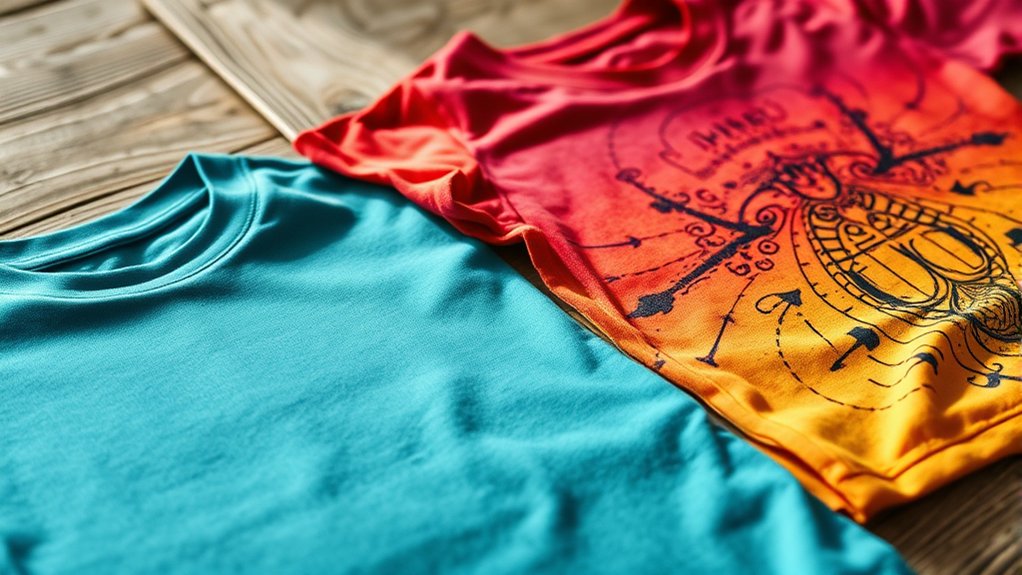

If you want sharp, vibrant designs fast, heat pressing is your go-to—it works great for intricate details and small batches, especially on polyester blends.
Heat pressed designs offer quick turnaround and precise results, making them ideal for custom orders or limited runs.
But if you need bold, rich colors that stand up to loads of washing, screen printing’s your best bet, particularly for natural fabrics and big orders.
Screen printed items tend to be more durable and cost-effective for large quantities, with vivid inks that really pop.
Both have their perks, depending on your fabric, design, and budget.
Stick around to see which method fits your project like a glove.
Key Takeaways
- Heat pressing suits intricate, photo-quality designs and small runs, offering quick setup and vibrant prints on synthetic fabrics.
- Screen printing excels with bold, simple designs on natural fabrics, providing rich colors and durability for large orders.
- Screen printing offers greater durability, embedding ink into fabric for lasting wear, while heat pressing may crack or peel over time.
- Heat pressing has lower initial costs and is cost-effective for one-offs, whereas screen printing reduces per-unit cost significantly at scale.
- Screen printing provides intense color saturation and crisp lines, while heat pressing captures fine details and subtle gradients well.
How Does Heat Pressing Work?
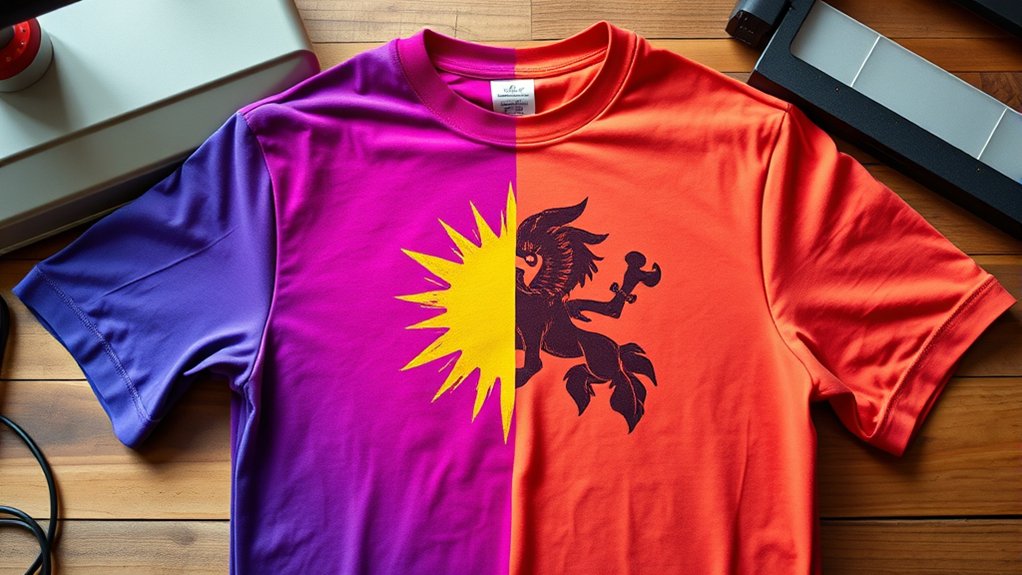
Anyone who’s ever pressed a design onto fabric knows heat pressing is like magic in motion. You start by placing a heat transfer, whether a vinyl cutout or a printed image, right where you want it.
Then, you close the heat press machine, and intense heat and firm pressure work together, embedding the design into the fabric’s fibers. This process fuses ink or vinyl smoothly and permanently, avoiding the mess of traditional printing techniques.
You get crisp edges, vibrant colors, and a soft feel because the design isn’t just stuck on top; it’s bonded. Heat pressing offers a quick, clean way to turn your ideas into wearable art, mastering the blend of heat, pressure, and time for flawless results every time.
How Does Screen Printing Work?
Screen printing transforms your designs into bold, vibrant prints by pushing ink through a fine mesh stencil onto fabric. You start by creating a stencil for each color in your design, then place it over your material.
Using a squeegee, you press ink types—plastisol, water-based, or discharge—through the mesh openings, imprinting your pattern layer by layer. Each screen printing technique offers unique effects: plastisol provides opacity and durability, water-based soaks into fibers for a soft feel, and discharge removes dye for vivid, breathable prints.
Precision and layering define the process, allowing you to build complex, eye-catching images. With your hands-on control, screen printing delivers rich textures and unmatched vibrancy, making your designs truly pop on every fabric you choose.
Durability Comparison: Heat Pressing Vs Screen Printing
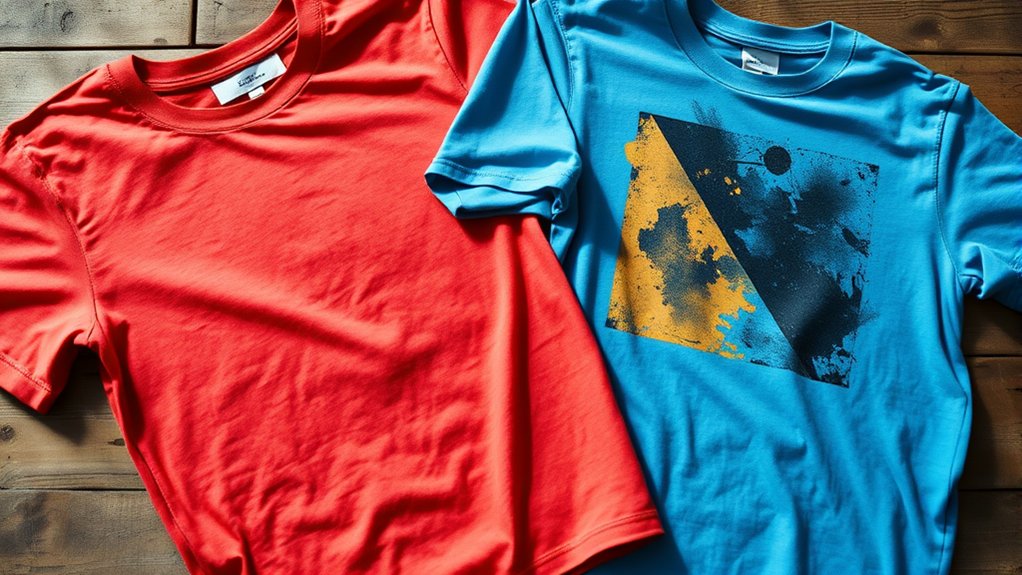
While both heat pressing and screen printing create stunning visuals, their durability tells a different story. When you choose heat pressing, you get sharp, vibrant designs that bond well with materials like cotton and polyester. However, its long term performance can falter with frequent washing or stretching, as the transfer layer may crack or peel.
Screen printing, on the other hand, embeds ink directly into the fabric, offering a more robust hold. This method excels in material compatibility, especially with natural fibers, ensuring your design withstands wear and time. If you want your graphics to endure countless washes and daily wear without fading, screen printing often outshines heat pressing.
Ultimately, your choice hinges on how much longevity you need and the fabric you’re printing on.
Cost Comparison: Which Method Is More Affordable?
You’ll want to weigh the startup costs before choosing your method. Heat pressing often requires less upfront cash compared to screen printing’s heavy setup.
Then, consider the per-unit price, which shifts depending on your order size. Finally, watch how bulk orders tip the scales, revealing deeper discounts that can make one option shine over the other.
Initial Setup Expenses
Although both heat pressing and screen printing can produce vibrant designs, the initial setup costs tell very different stories. When you engage in heat pressing, the initial equipment is straightforward: a heat press machine and printable transfers. This setup time is short, letting you jump into production quickly without a steep upfront investment.
Screen printing, however, demands more from the start. You’ll need screens, squeegees, inks, and a drying system, each adding to your initial equipment costs. The setup time stretches longer too, as preparing screens and mixing inks takes precision and patience.
If you want quick and affordable entry, heat pressing shines. But if you’re ready to invest time and gear for volume and durability, screen printing’s initial expenses reflect that deeper commitment.
Per-Unit Production Cost
Price per print often determines the best choice between heat pressing and screen printing. When you look at per unit pricing, heat pressing tends to shine for small runs or one-off designs because it skips complex setup steps, letting you crank out prints quickly without extra costs.
Screen printing, however, demands upfront effort, creating screens and prepping colors, but boosts production efficiency massively once rolling, slashing cost per unit as volumes climb. If you’re chasing vibrant, long-lasting prints on bulk orders, screen printing’s initial investment pays off through economies of scale.
For flexible, on-the-fly projects with fewer pieces, heat press keeps expenses lean. Ultimately, your choice hinges on order size and turnaround time, balancing speed and savings to fit your project’s unique rhythm.
Bulk Order Savings
When tackling orders of 100 pieces or more, screen printing flexes its cost-saving muscles like a seasoned pro. Thanks to its production scalability, you’ll see bulk order discounts kick in, slashing your per-unit cost considerably.
The setup process spreads its initial investment across every item, making large runs more wallet-friendly. On the flip side, heat pressing, while great for small batches, can’t compete as your order size climbs; it lacks the same economy of scale.
Color and Detail Quality: Which Looks Better?
You want your design to pop with vibrant hues and crisp details that catch every eye. Heat pressing shines with sharp clarity, but screen printing dazzles with rich, deep colors across a broad palette.
Let’s explore which method paints your vision more brilliantly.
Vibrancy And Color Range
Although both heat pressing and screen printing offer bold visuals, their vibrancy and color range tell very different stories. When you choose screen printing, you tap into a technique that delivers intense color saturation, making each hue pop with vivid brilliance.
This method layers inks directly onto fabric, allowing rich, saturated tones that stand out even after multiple washes. On the other hand, heat pressing relies on transferring pre-printed designs, which can limit the depth and variety of colors you see.
While it offers sharp, vibrant results, the color range often feels narrower compared to screen printing. So, if you crave a rainbow of intense, saturated colors, screen printing’s printing techniques give you that visual feast, while heat pressing keeps things crisp but slightly more restrained.
Detail Precision And Clarity
Color vibrancy sets the stage, but the true test lies in how sharply each technique captures intricate details. When you examine design intricacies, screen printing excels at delivering crisp lines and bold edges thanks to its stencil-based layers. It’s perfect for designs with defined shapes and fewer gradients.
Heat pressing, however, shines in reproducing subtle gradients and photographic details with smooth shifts, thanks to its digital printing techniques. If your design demands fine text or tiny elements, screen printing might struggle with precision, while heat pressing preserves clarity.
Ultimately, your choice depends on the complexity of your artwork. For bold, graphic designs, screen printing offers standout sharpness. For detailed, photo-realistic images, heat pressing captures nuance and depth, ensuring your design intricacies pop with clarity.
When to Use Heat Pressing or Screen Printing for Apparel
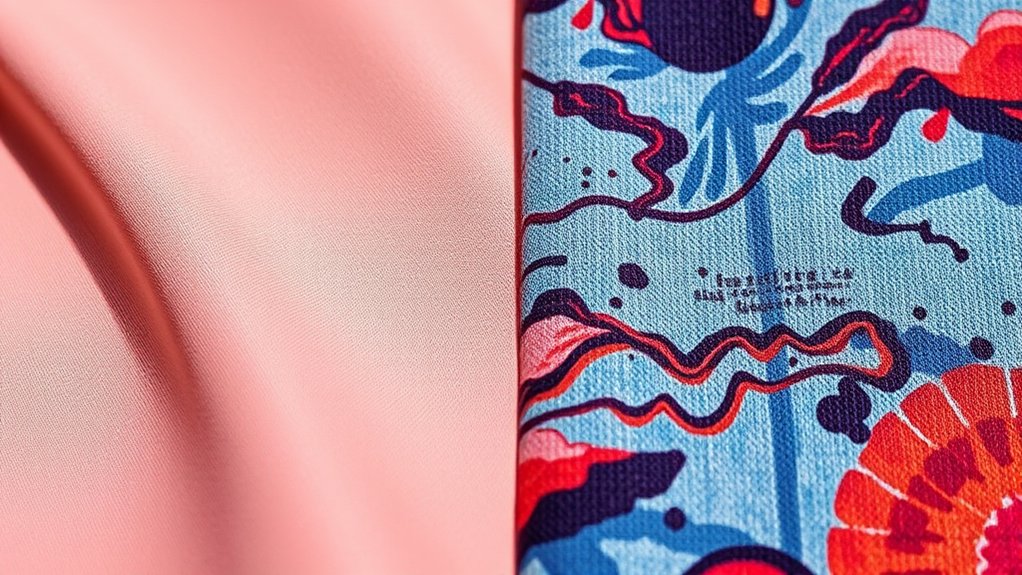
When should you choose heat pressing over screen printing for your apparel projects? Opt for heat pressing when your design preferences lean toward vibrant, photo-quality images or intricate details that demand sharp precision. This method shines on synthetic fabric types like polyester or blends, where the heat activates adhesive vinyl or transfer paper perfectly.
Conversely, screen printing excels with bold, simple designs and natural fabric types such as cotton, offering durability and rich color saturation. If you’re working with limited colors or bulk orders, screen printing often proves more cost-effective and long-lasting.
Heat pressing suits smaller runs or customized pieces, giving you flexibility and quick turnover. By matching your fabric types and design preferences to these methods, you’ll create apparel that not only looks stunning but also stands the test of time.
How to Pick the Right Printing Method for Your Project
Choosing the right printing method shapes the final look and feel of your apparel. Start by evaluating your design considerations: intricate details and color gradients lean toward heat pressing for crisp precision. If your artwork demands bold, vibrant visuals, screen printing’s rich ink layers will bring it to life.
Next, assess your project scale. Large runs favor screen printing’s efficiency and cost-effectiveness, while smaller batches or one-offs benefit from heat pressing’s flexibility and quick turnaround. Also, consider fabric type and durability needs. Screen printing thrives on natural fibers, offering lasting wear, whereas heat pressing adapts well to diverse materials.
Frequently Asked Questions
Can Heat Pressing Be Used on Materials Other Than Fabric?
You can use heat pressing on various surfaces beyond fabric, thanks to vinyl applications. Just consider material compatibility, such as plastics, wood, or leather.
Heat activates the vinyl, bonding your design with vivid, lasting impressions.
Are There Environmental Concerns With Screen Printing Inks?
Ink sustainability in screen printing isn’t just a drop in the ocean; it shapes the environmental impact considerably. You’ll want to choose water-based or eco-friendly inks to keep your prints green and your conscience clear.
How Long Does It Take to Set up Each Printing Method?
You’ll find heat press setup time quick, boosting production efficiency with minimal prep. Screen printing demands longer setup, mixing inks and aligning screens, but shines in bulk runs. Choose speed or scalability based on your project’s rhythm.
Can Heat Pressing Cause Damage to Delicate Fabrics?
Yes, your delicate fabrics can suffer from heat sensitivity during heat pressing. To protect them, choose lower temperatures and shorter press times, keeping fabric types in mind to prevent scorching or warping. Treat your textiles like fragile art.
Is Either Method Better for Limited Edition or One-Off Prints?
When crafting limited editions or one-off prints, you’ll find heat pressing shines: quick, vibrant, and fuss-free. It’s like painting a single masterpiece without mixing endless colors, perfect for unique, eye-catching creations.
Conclusion
Choosing between heat pressing and screen printing boils down to your project’s vibe and needs. Imagine customizing a vibrant team jersey—screen printing nails durability and bold colors for the long haul, while heat pressing shines for quick, detailed designs on small batches.
By matching method to mission, you guarantee your apparel pops just right, turning heads and lasting through every game or event.
Pick smart, print sharp, and wear your vision proudly with heat pressed vs screen printed techniques.